The Supreme Court has taken a stern stand against violence toward healthcare professionals, stating that assaults on doctors inside hospitals cannot be treated lightly.
- Supreme Court emphasizes that violence against doctors is a grave offense.
- Sena Corporator Ramesh Mhatre's challenge to bail conditions was rejected.
- The Court highlighted the necessity of ensuring safety for medical staff in hospitals.
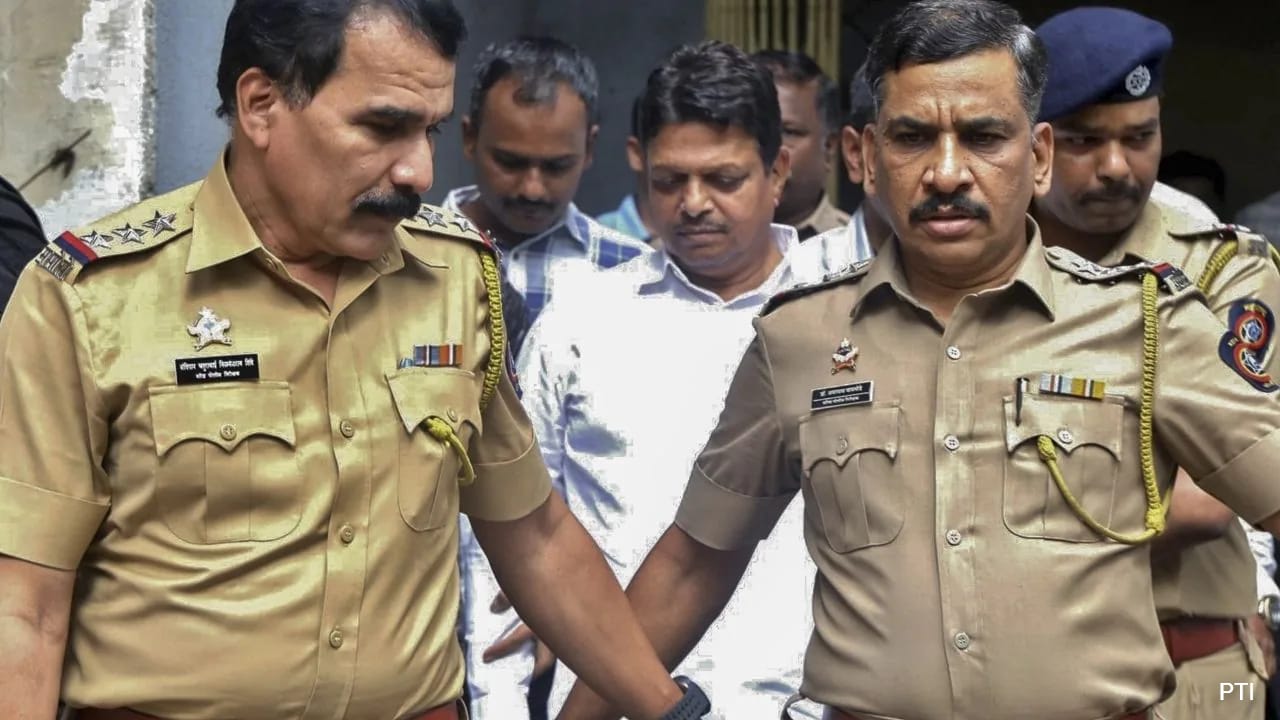
In a landmark observation, the Supreme Court of India has underlined that incidents of assaulting doctors within the premises of hospitals are intolerable and cannot be taken lightly. The court's remarks came during the hearing of a petition filed by Sena Corporator Ramesh Mhatre, who had approached the apex court to challenge the stringent bail conditions imposed by the Bombay High Court.
The bench noted that doctors are the backbone of the healthcare system, and any act of violence against them not only affects the individual professional but creates an atmosphere of fear that disrupts critical patient care.
Why This Matters
BozokMedia analysis shows that this judicial stance serves as a critical deterrent against the growing trend of 'VIP culture' where political figures believe they are immune to the consequences of harassing public servants. By refusing to dilute the bail conditions, the Supreme Court is prioritizing the sanctity of medical institutions over political affiliations.
The judiciary's refusal to grant lenient bail in cases of medical violence is a pivotal step toward establishing a zero-tolerance policy for workplace aggression in healthcare.
Historically, India has witnessed a surge in attacks on medical staff, leading to widespread protests by medical associations. The Court's refusal to interfere with the Bombay High Court's strict conditions reflects a broader judicial trend of protecting frontline workers from systemic abuse.
Frequently Asked Questions
1. Why did Ramesh Mhatre move the Supreme Court?
He challenged the restrictive conditions placed on his bail by the Bombay High Court, seeking more lenient terms.
2. What was the Supreme Court's ultimate stance?
The Court maintained that those who commit violence against doctors do not deserve the leniency of easy bail due to the severity of the act.