New data released after the first‑quarter GDP figures reveal a stronger-than‑expected growth trajectory for India. The report breaks down sectoral contributions, government reactions, and forward‑looking implications.
- FY 2026-27 Q1 GDP grew 7.8%
- Supplementary data confirms robust economic resilience
- Government pushes for higher investment and consumer spending
Following the publication of the first‑quarter (FY 2026‑27) GDP numbers, the Press Information Bureau (PIB) has issued supplementary information that both validates the headline growth rate and provides a granular view of sector‑wise performance.
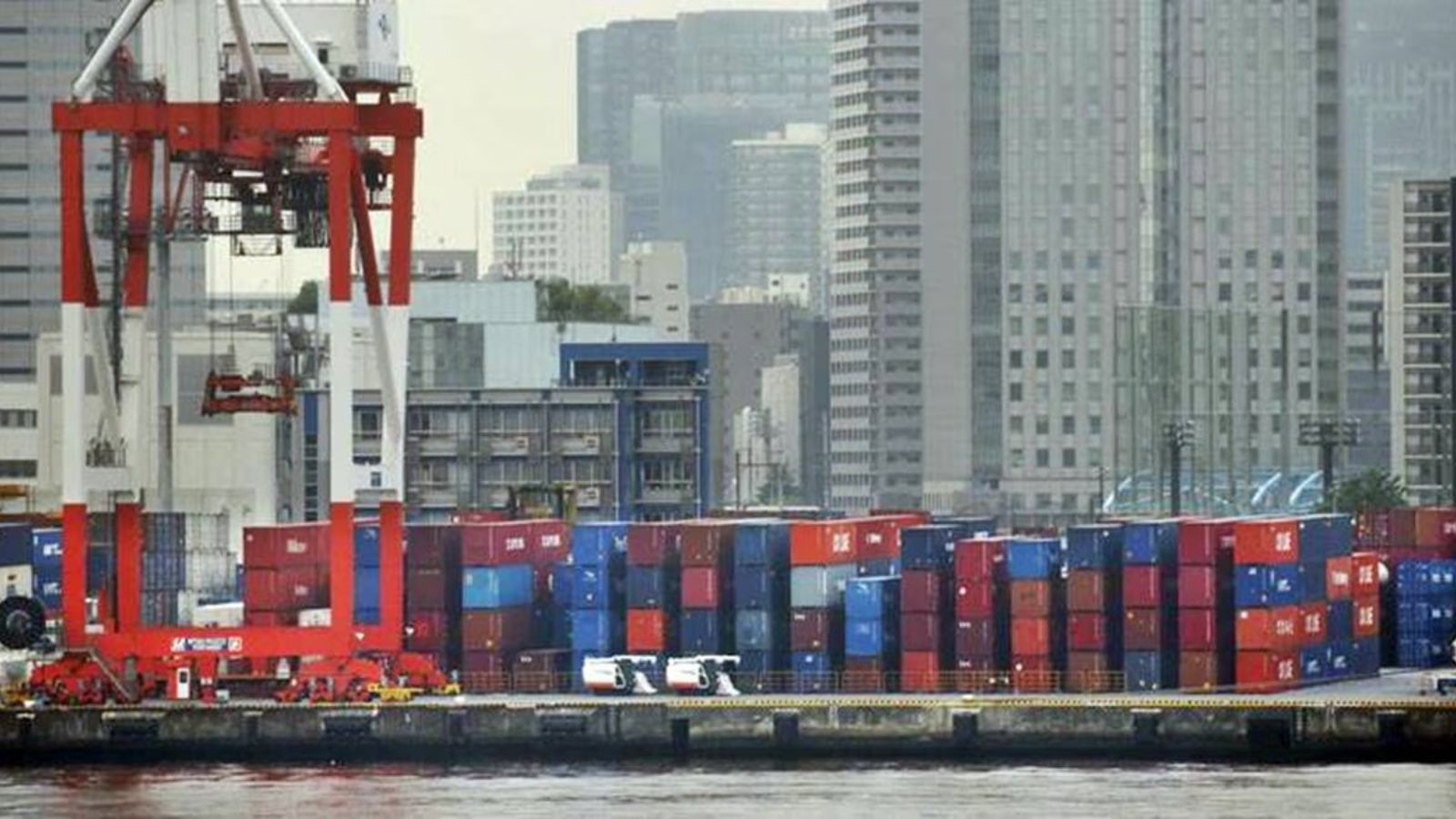
The Ministry of Finance reports that manufacturing, services and agriculture together drove the 7.8% surge, with exports jumping 12% and domestic consumption rising 9% year‑on‑year. These figures underline a broad‑based recovery across the economy.
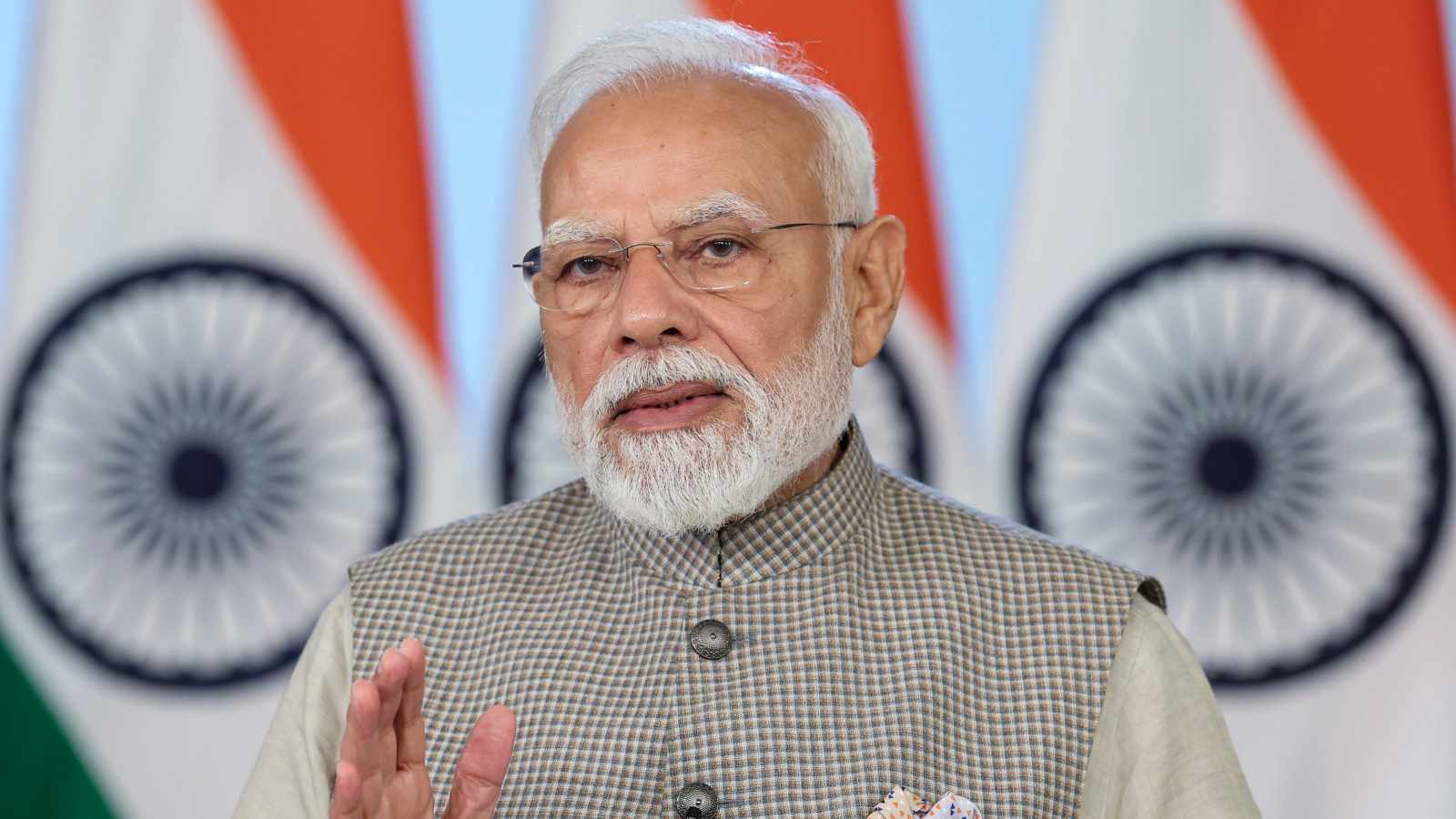
Prime Minister Narendra Modi hailed the result as evidence of "India’s economic resilience," while opposition leaders questioned the methodology and sustainability of the numbers. Modi recently dismissed foreign holidays and gold purchases as "echoes of lies," urging citizens to channel savings into productive assets.
Opposition figures such as Ajay Goyal and Subhash Garg labeled the growth as "temporary" and warned of underlying structural challenges. Their criticism has sparked a vigorous public debate about the true health of the economy.
Why This Matters
BozokMedia analysis shows that sustained double‑digit growth in key sectors could position India as the world’s fastest‑growing major economy, attracting foreign direct investment and reshaping global supply chains.
"If this momentum is maintained, India could double its middle‑class population by 2030," said financial analyst Dr. Rina Shetty.
Frequently Asked Questions
Q1: Does the Q1 FY 2026‑27 growth reflect a genuine economic turnaround?
A: Most analysts believe the surge is driven by structural reforms, export gains and robust consumer demand, but long‑term stability will hinge on policy consistency.
Q2: What impact will this growth have on foreign investment?
A: Higher growth rates tend to boost investor confidence, potentially leading to an uptick in foreign direct investment (FDI) flows.