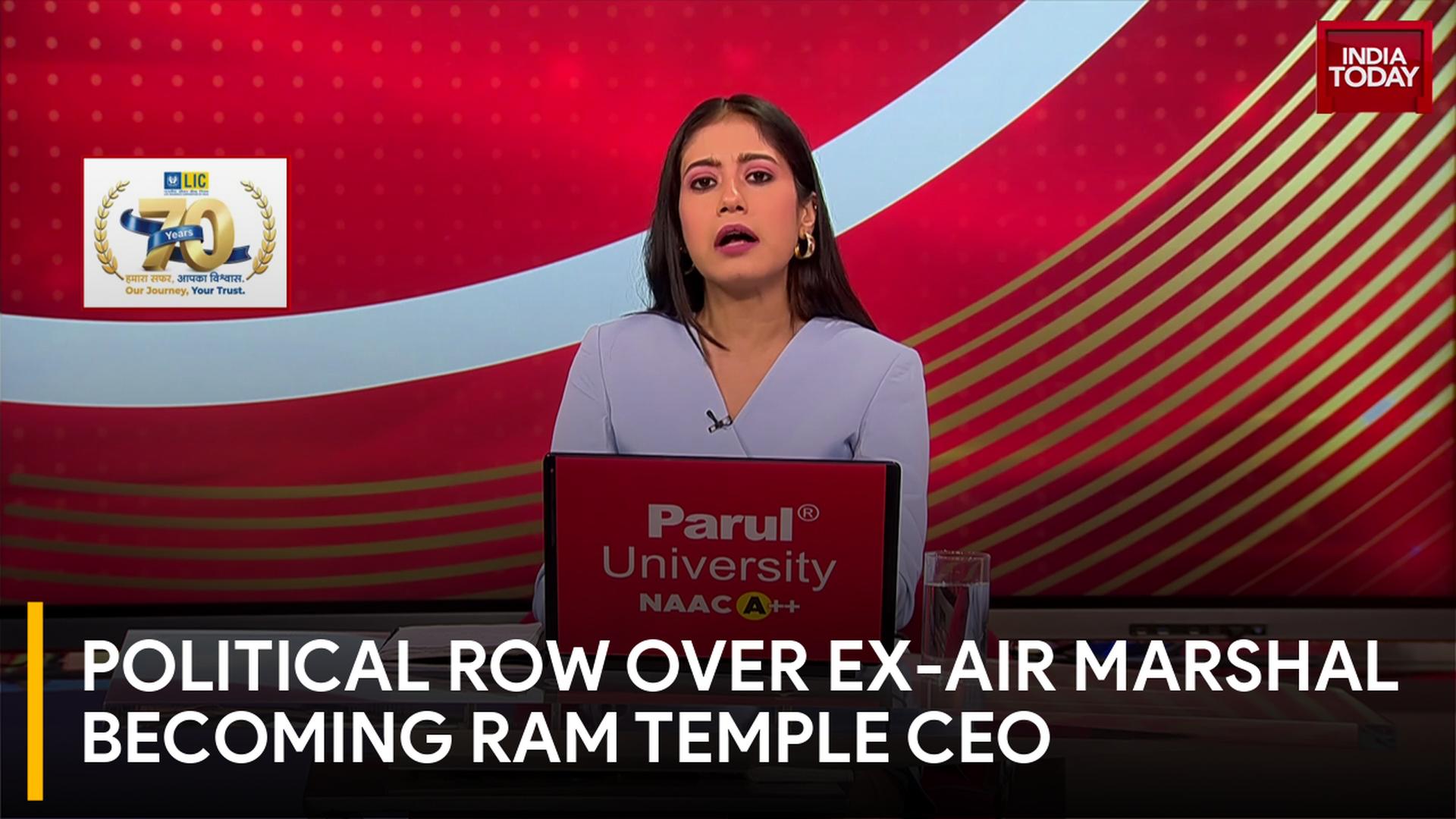
The integration of S-400 and BrahMos missile systems has created a formidable shield for India. Explore the strategic implications of 'Operation Sindoor' and the emerging discourse around Jitendra Mishra's strategic role.
- The deployment of S-400 and BrahMos systems has significantly enhanced India's deterrent capability.
- 'Operation Sindoor' represents a critical strategic shift in India's border defense protocols.
- Discussions are intensifying regarding the strategic leadership and organizational impact of Jitendra Mishra.
India's defense landscape is undergoing a seismic shift, driven by the integration of world-class military technology. The S-400 Triumf air defense system, combined with the lethal precision of the BrahMos supersonic cruise missile, has effectively neutralized much of the conventional threat from across the border, particularly from Pakistan.
Central to recent strategic whispers is 'Operation Sindoor'. While much of the operational detail remains classified, intelligence insights suggest that this operation is designed to fortify India's defensive perimeter and ensure a swift, overwhelming response to any provocation. It is a masterclass in combining high-tech surveillance with rapid-strike capabilities.
Why This Matters
BozokMedia analysis shows that India is transitioning from a reactive defense posture to a proactive deterrence model. The presence of the S-400 creates an 'anti-access/area denial' (A2/AD) zone, making it nearly impossible for hostile aircraft to penetrate Indian airspace, while BrahMos ensures that any ground-based threat can be neutralized with surgical precision.
Military analysts suggest that the strategic maneuvering seen in recent months reflects a new era of Indian geopolitical dominance.
Amidst these military developments, the role of Jitendra Mishra, the new CEO, has become a point of intense interest. While his primary focus lies in organizational leadership, his ability to manage complex, large-scale operations is being viewed through a lens of strategic importance, highlighting how administrative excellence can complement national security interests.
Historical Background
India's journey toward military modernization has been long and arduous. From the procurement of advanced fighter jets to the indigenous development of the BrahMos missile, the nation has consistently sought to bridge the technological gap with its adversaries. The acquisition of the Russian S-400 marks a pinnacle in this journey of strategic autonomy.
Frequently Asked Questions
1. What is the significance of the S-400 system?
The S-400 is a long-range surface-to-air missile system capable of detecting and engaging multiple targets, including stealth aircraft.
2. How does BrahMos affect regional stability?
BrahMos acts as a powerful deterrent, ensuring that any attempt at unprovoked aggression is met with immediate and precise retaliation.