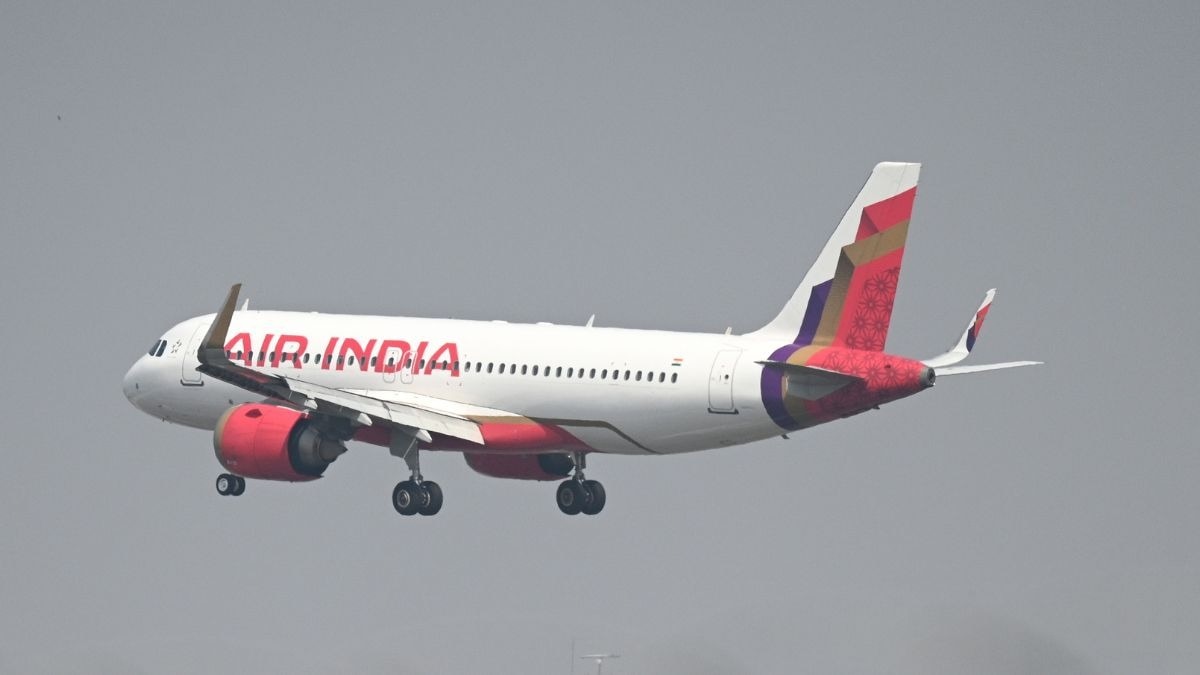
An investigation into an Air India flight from Phuket has uncovered a dangerous combination of hydraulic failure and a pilot testing positive for psychoactive substances.
- An Air India pilot tested positive for psychoactive substances during a probe.
- The flight experienced critical issues, including hydraulic failure and seatbelt sign malfunctions.
- The investigation agency has called for immediate DGCA intervention.
A recent investigation into an Air India flight involving a route to or from Phuket has sent shockwaves through the aviation industry. The probe has officially categorized the pilot's use of psychoactive substances as a 'serious concern,' highlighting a massive breach in safety protocols.
Beyond the human element, the report detailed alarming technical discrepancies. During the flight, the aircraft reportedly experienced hydraulic failure and issues with the seatbelt sign, creating a high-stress environment for both the crew and passengers. The convergence of mechanical instability and impaired pilot judgment represents a worst-case scenario for aviation safety.
Why This Matters
BozokMedia analysis shows that this incident underscores the critical necessity of stringent medical screening and real-time monitoring in commercial aviation. When human error is compounded by technical failure, the margin for error vanishes, making the role of regulatory bodies like the DGCA more vital than ever.
The intersection of substance abuse and technical malfunction is a catastrophic risk factor that demands immediate systemic reform.
The investigative agency has formally requested the Directorate General of Civil Aviation (DGCA) to take decisive action against the individual involved. This includes not only disciplinary measures against the pilot but also a comprehensive audit of Air India's internal safety and drug-testing procedures.
Historical Background
Historically, the aviation industry has implemented rigorous medical standards to prevent substance-related incidents. However, cases of impairment continue to emerge globally, prompting constant revisions to international safety standards and the implementation of more frequent, unannounced toxicology screenings for flight crews.
Frequently Asked Questions
1. What were the technical issues reported during the flight?
The report cited hydraulic failure and issues with the seatbelt sign as primary technical concerns.
2. What action is expected from the DGCA?
The DGCA is expected to review the pilot's license and potentially impose sanctions on the airline for safety lapses.