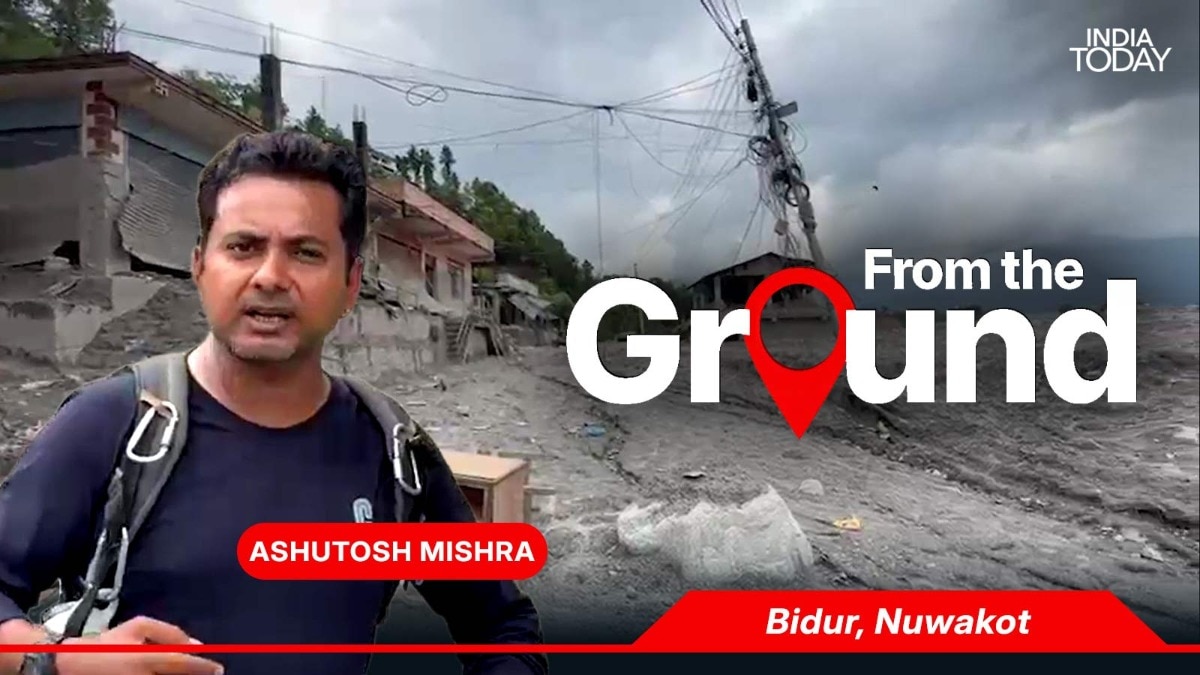
Twelve days after devastating flash floods in Nepal, the presence of unrecovered bodies trapped under debris is raising urgent fears of a massive health crisis and disease outbreak.
- Unrecovered bodies under debris pose a severe risk of infection.
- Risk of waterborne diseases like cholera and typhoid is escalating.
- Infrastructure damage is complicating rescue and sanitation efforts.
Nepal is currently teetering on the edge of a massive public health emergency. Twelve days after the catastrophic flash floods swept through various regions, the reality of the disaster is shifting from immediate rescue to a looming biological threat. Numerous victims remain trapped under thick layers of mud and debris, creating a breeding ground for pathogens.
Health officials are deeply concerned that the decomposition of unrecovered remains, combined with contaminated water supplies, could trigger a widespread outbreak of waterborne diseases. The situation is further exacerbated by the destruction of sanitation infrastructure, leaving many survivors without access to clean drinking water.
Why This Matters
BozokMedia analysis shows that the secondary impact of natural disasters—specifically the health crisis following the initial event—often claims more lives than the disaster itself. In Nepal, the combination of rugged terrain and limited medical logistics makes managing a potential epidemic exceptionally difficult.
The window to prevent a large-scale epidemic is closing rapidly as biological contaminants spread through the floodwaters.
Local authorities are struggling to balance the search for survivors with the urgent need to sanitize affected areas. While heavy machinery is being used to clear debris, the delicate task of recovering remains without spreading contamination remains a logistical nightmare.
Historical Background
Nepal has long been vulnerable to monsoon-induced disasters. However, recent years have seen an unprecedented surge in the intensity of flash floods, a phenomenon largely attributed to shifting global weather patterns and climate change, putting immense strain on the nation's disaster response capabilities.
Frequently Asked Questions
1. What is the primary threat to Nepal's health right now?
The primary threat is the spread of infectious diseases caused by decomposing remains and contaminated water sources.
2. How is the government responding?
The government is focusing on debris removal, water purification, and preparing medical teams for potential outbreaks.