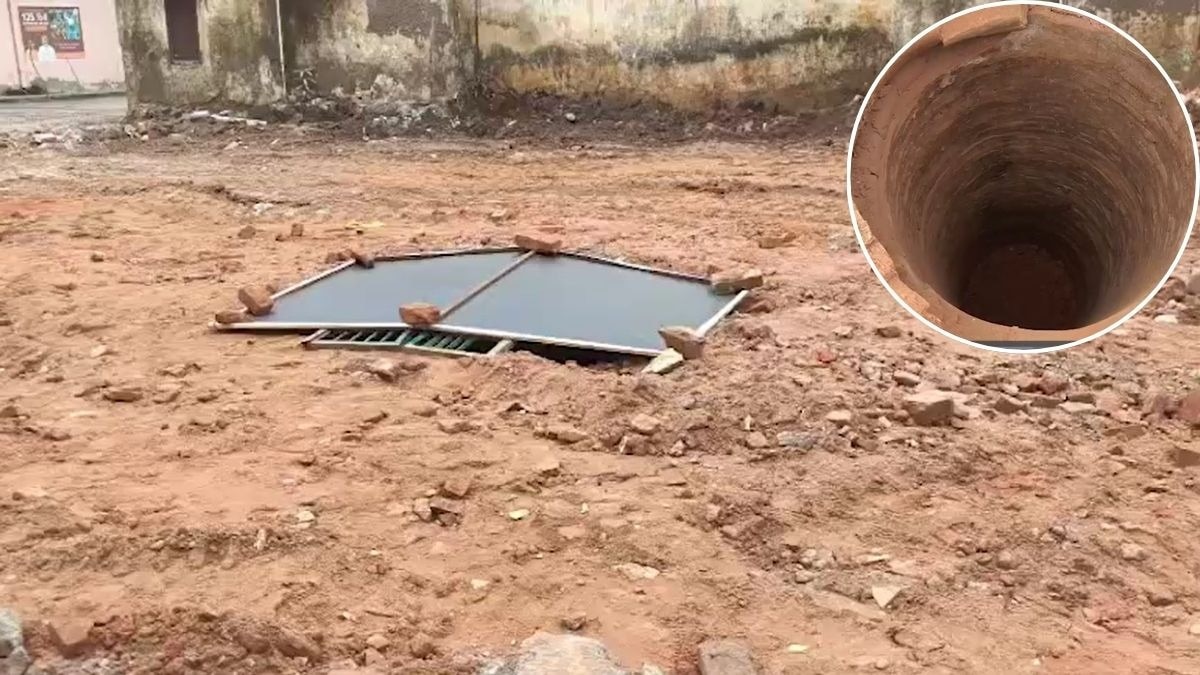
A mysterious well has been unearthed beneath the debris of a mosque in Saharanpur. The structure's impenetrable slab has defied heavy machinery, prompting the ASI to take over the investigation.
- An unidentified well was discovered under the ruins of a mosque in Saharanpur.
- The well's slab is so durable that even heavy Poclain excavators failed to break it.
- The Archaeological Survey of India (ASI) has initiated a formal investigation.
In a startling development from Saharanpur, Uttar Pradesh, a mysterious well has been discovered during the clearing of debris from an old mosque. The discovery has sent shockwaves through the local community due to the unusual structural integrity of the find.
The Unbreakable Slab: Defying Modern Machinery
The most perplexing aspect of this discovery is the massive slab covering the well. According to local reports, the slab is of such immense strength that even heavy-duty Poclain excavators were unable to crack or penetrate it. This failure of modern industrial machinery has raised significant questions regarding the composition of the ancient material used.
Why This Matters
BozokMedia analysis shows that such discoveries are critical for understanding the evolutionary timeline of regional architecture. The ability of a structure to remain intact despite heavy mechanical impact suggests an advanced understanding of material science in the past.
The resilience of this structure suggests that ancient builders possessed sophisticated knowledge of mineral compositions and structural engineering.
Following the inability of local contractors to clear the site, the Archaeological Survey of India (ASI) has been called in to secure the area and conduct a scientific assessment. Experts are eager to determine the age and the socio-cultural significance of this well.
Historical Context and Implications
The Saharanpur region has long been a crossroads of various historical eras. The discovery of an impenetrable well could potentially rewrite local history books, offering a glimpse into the water management systems and architectural prowess of previous civilizations that inhabited the area.
Frequently Asked Questions
Q1: Where was the well located?
A: The well was found beneath the debris of a mosque in the Saharanpur district of Uttar Pradesh.
Q2: Why is the ASI involved?
A: The ASI is involved to ensure that any historical or archaeological artifacts are preserved and studied using scientific methods.