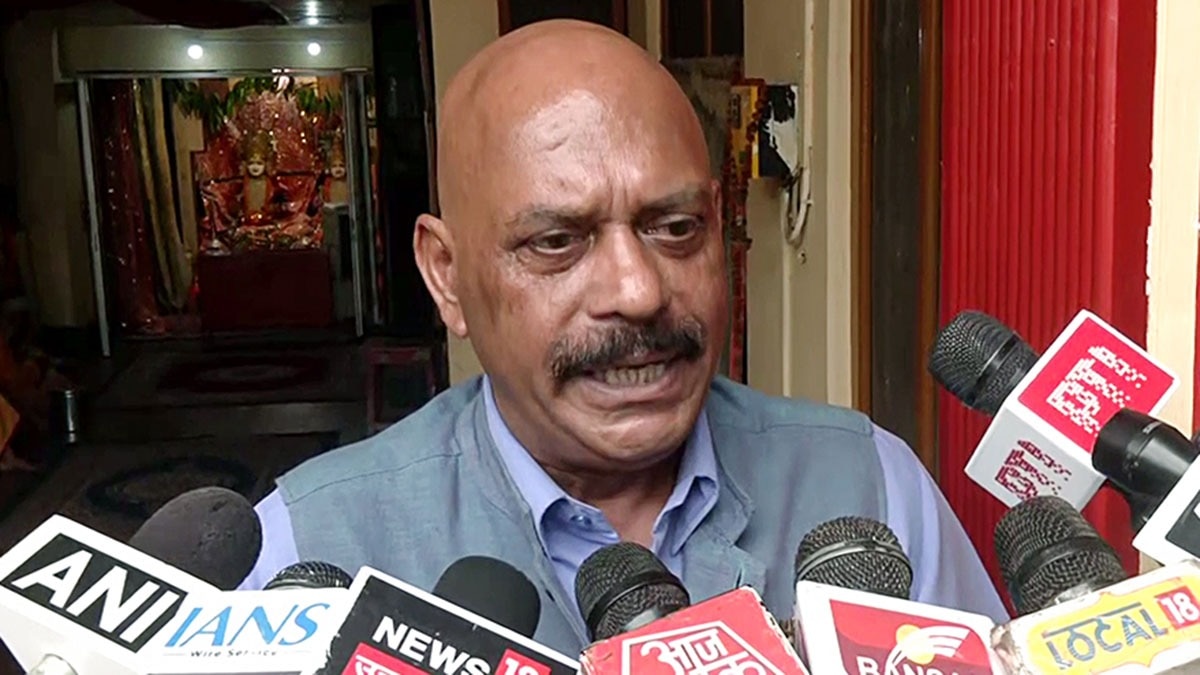
Retired Air Marshal Jeetendra Mishra takes charge as the first CEO of Shri Ram Janmbhoomi Teerth Kshetra. His appointment aims to overhaul the administration following recent donation irregularities.
- Retired Air Marshal Jeetendra Mishra has been named the first CEO of the Shri Ram Janmbhoomi Teerth Kshetra.
- The appointment follows allegations of theft and mismanagement in the temple's donation system.
- The trust aims to implement technology-driven solutions to minimize human intervention in cash handling.
The appointment of retired Air Marshal Jeetendra Mishra as the inaugural Chief Executive Officer (CEO) of the Shri Ram Janmbhoomi Teerth Kshetra marks a significant shift in the administrative landscape of the Ayodhya Ram Temple. This strategic move comes at a critical juncture, as the trust faces the daunting task of managing a massive influx of devotees and substantial financial donations while simultaneously addressing recent allegations of financial irregularities and theft within the donation-counting process.
Overhauling the Donation Management System
A primary mandate for the new CEO will be to implement a foolproof system for handling pilgrim offerings. Following an FIR and the arrest of individuals involved in donation discrepancies, a Special Investigation Team (SIT) is currently probing the existing processes. The trust has expressed a clear intent to move away from manual, human-heavy processes toward a technology-based system. Proposals from leading banks and an IIT are currently under review to automate the collection, counting, and banking of cash donations.
Why This Matters
BozokMedia analysis shows that as the Ram Temple evolves from a construction project into a global pilgrimage epicenter, its administrative needs have outpaced its traditional, volunteer-driven models. The transition to a professional administrative layer is essential to ensure transparency, auditability, and public trust. A dedicated CEO provides a clear line of accountability for staff, security, and complex financial operations.
Transitioning from a volunteer-led model to a professional command structure is vital for an institution of this scale.
Mishra’s extensive 39-year career in the Indian Air Force (IAF), including his leadership at the Western Air Command, brings a level of disciplined decision-making that the trust seeks. While military command and religious administration are fundamentally different, the ability to manage large-scale logistics and maintain a strict chain of command could be a decisive advantage in stabilizing the temple's operations.
Historical Background
The administration of the Ayodhya Ram Temple has undergone several transitions, moving from legal battles in the Supreme Court to the physical construction phase. The establishment of a professional CEO office represents the final stage of institutionalization, turning a spiritual movement into a structured, global religious institution.
Frequently Asked Questions
Question 1: What is the primary role of the new CEO?
Answer: The CEO will manage routine administration, including finances, staff, security, and the implementation of new technology-based donation systems.
Question 2: Why was a military professional chosen?
Answer: His background in high-level command and disciplined organizational management is intended to bring order and transparency to the temple's administration.