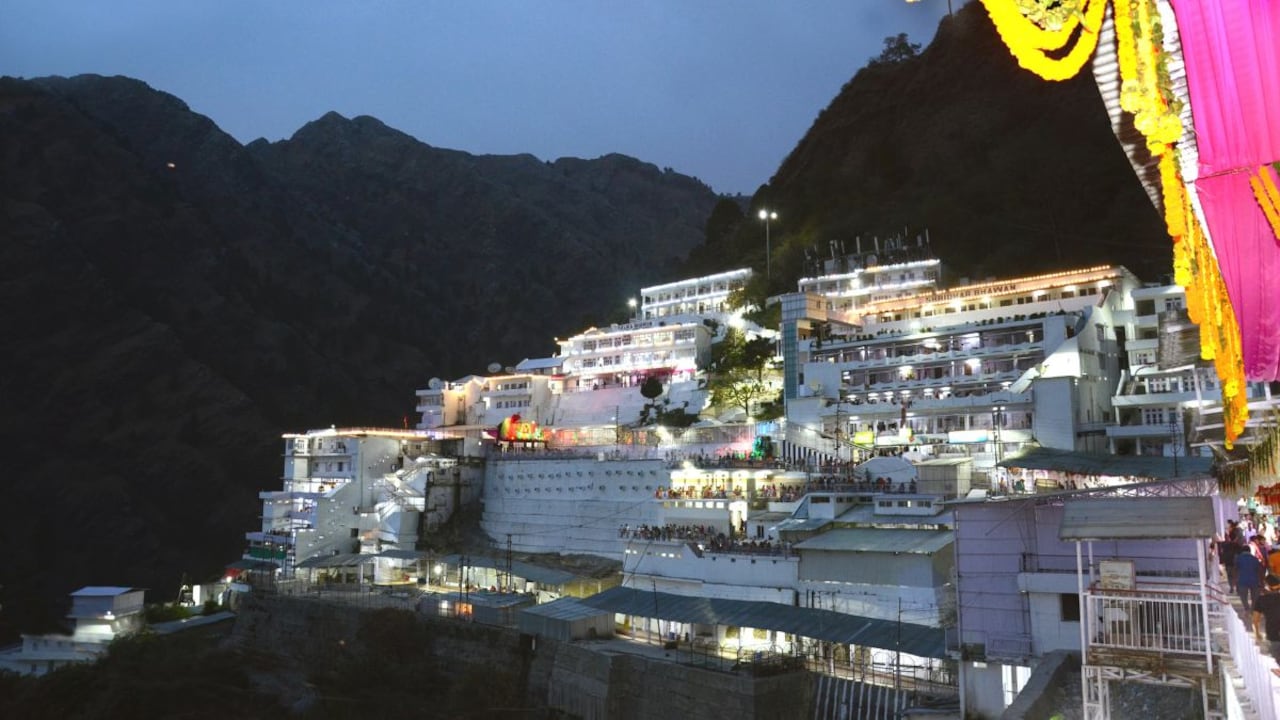
The Jammu & Kashmir government has ordered a temporary suspension of the Amarnath and Vaishno Devi pilgrimages starting July 19, citing moderate to widespread rainfall forecasts through July 23. The move prioritises pilgrim safety amid heightened flood and landslide risks.
Key Takeaways
- Amarnath and Vaishno Devi pilgrimages suspended from July 19.
- Moderate to widespread rain expected across Jammu & Kashmir from July 19‑23.
- State authorities act to protect pilgrims and local infrastructure.
The tourism department of Jammu & Kashmir announced that the Amarnath and Vaishno Devi Yatra routes will be temporarily closed from July 19 due to an adverse weather outlook. Meteorological agencies forecast moderate to heavy rainfall across the region between July 19 and 23, raising concerns of rising water levels on high‑altitude tracks and potential landslides.
Both Amarnath and Vaishno Devi are among India’s most revered pilgrimage destinations, attracting millions of devotees annually. This year, many pilgrims have already adjusted their travel plans, fearing that the predicted downpours could render the mountain paths unsafe. Authorities will reassess the situation before deciding on a possible reopening.
Historical Background The Amarnath Yatra traces its roots back to the 8th century when early rulers identified the glacial shrine as sacred. Vaishno Devi’s worship began in the 16th century, evolving into one of the world’s largest female‑focused pilgrimage sites. Both journeys contribute significantly to the cultural fabric and the regional economy.
In response, the state government has issued a safety‑first directive, deploying medical teams, temporary shelters, and emergency response units along the routes. This pre‑emptive action aims to mitigate any casualty risk while ensuring that support services are ready if the weather deteriorates further.
“Pilgrimage routes are highly vulnerable to sudden weather changes; temporary suspension is a prudent safety measure.” – Dr. Ananya Rao, Meteorology Expert
Why This Matters (इसके मायने क्या हैं)
BozokMedia analysis shows that the suspension not only safeguards lives but also signals a warning to local businesses that depend on pilgrim traffic. Hotel bookings, eateries, and transport services experience an immediate revenue dip when the trek is halted, affecting the broader regional economy.
Moreover, the decision tests the government’s disaster‑management readiness. Should severe floods or landslides occur, proactive closures can bolster public confidence and set a precedent for more resilient planning in future pilgrimage seasons.
Frequently Asked Questions (अक्सर पूछे जाने वाले प्रश्न)
Q1: Is there a confirmed date for the pilgrimages to resume?
A: No specific date has been announced; authorities will review the weather conditions before making any decision.
Q2: What happens to tickets already purchased by pilgrims?
A: Refunds or rescheduling will be offered to ensure travelers do not face financial loss.