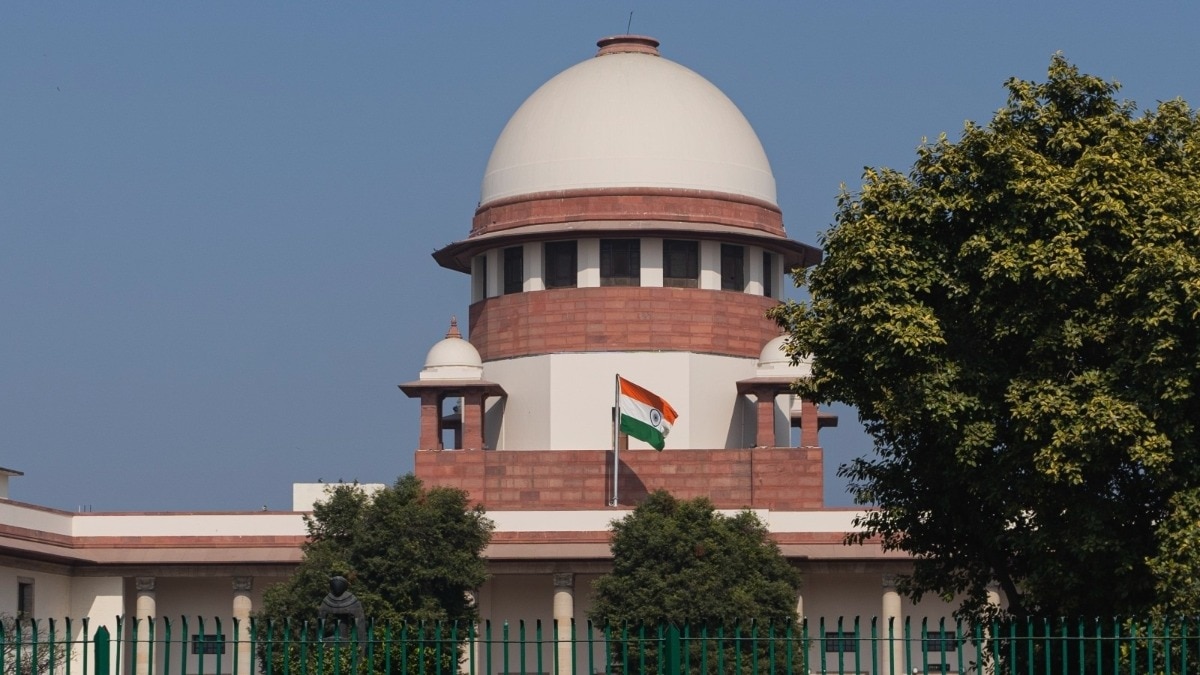
The Supreme Court has suspended the life imprisonment of Hopeson Nignshen, convicted in the 2009 Manipur triple murder case. After serving over 17 years in custody, the court has granted him relief subject to strict conditions.
- The Supreme Court suspended the life sentence of Hopeson Nignshen.
- Nignshen spent over 17 years in custody regarding the 2009 Manipur murder case.
- The court mandated that he must remain within Delhi until his appeal is resolved.
- The suspension does not overturn the conviction, only pauses the sentence.
In a significant legal development, the Supreme Court of India on Monday suspended the life sentence of Hopeson Nignshen, a self-styled NSCN (IM) 'lieutenant'. Nignshen was convicted for the abduction and murder of three government officials in the Ukhrul district of Manipur back in February 2009.
A division bench comprising Justices MM Sundresh and P B Varale observed that Nignshen has already spent more than 17 years in judicial custody. Taking this prolonged period into account, the court granted a suspension of his sentence while his appeal against the conviction remains pending. However, the court imposed strict geographical restrictions, directing him to stay within the limits of Delhi and not leave the national capital until the final disposal of his appeal.
Historical Background and Context
The case dates back to February 13, 2009, when Nignshen and other militants abducted Dr. Thingnam Kishan Singh, the Sub-Divisional Officer-cum-Block Development Officer of Kasom Khullen, along with five staff members. According to the CBI investigation, while three individuals were released the following day, Kishan Singh, Y Token Singh, and A Rajen Sharma were brutally murdered.
The bodies of the deceased officials were later recovered from the banks of the Taphao Kuki river near Senapati. This incident was not just a criminal act but a major political flashpoint that triggered intense ethnic tensions between the Meitei and Naga communities, leading to widespread unrest and strikes across the state of Manipur.
Why This Matters
BozokMedia analysis shows that this ruling highlights the complexities of the Indian judicial system regarding long-term incarceration during the pendency of appeals. While the Manipur government opposed the plea, the court's decision reflects a consideration of the time already served, even though the legal status of 'convict' remains unchanged for the accused.
The suspension of a sentence after nearly two decades in prison underscores the judicial struggle to balance punishment with the prolonged delays in the appellate process.
The investigation was eventually transferred from Manipur to Delhi in May 2010 following Supreme Court directions, primarily due to concerns regarding Nignshen's safety and the potential for civil unrest if he were produced in Manipur. The Delhi High Court had previously upheld his conviction in 2019, which led to the current Supreme Court proceedings.
Frequently Asked Questions
1. Has Hopeson Nignshen been acquitted of the charges?
No, the Supreme Court has only suspended his sentence. His conviction remains valid while the appeal is being heard.
2. What are the conditions of his release?
He is permitted to be out of prison but is strictly prohibited from leaving the Delhi NCR region until his appeal is settled.