Over 5,000 IT professionals and residents staged a silent protest in Hinjawadi, Pune, demanding better roads, water, and traffic management. District Collector has approved ₹426 crore for urgent infrastructure upgrades.
- ₹426 crore approved for Hinjawadi IT Park infrastructure development.
- Over 5,000 IT employees and residents held a silent protest.
- Priority works to be completed before the next monsoon.
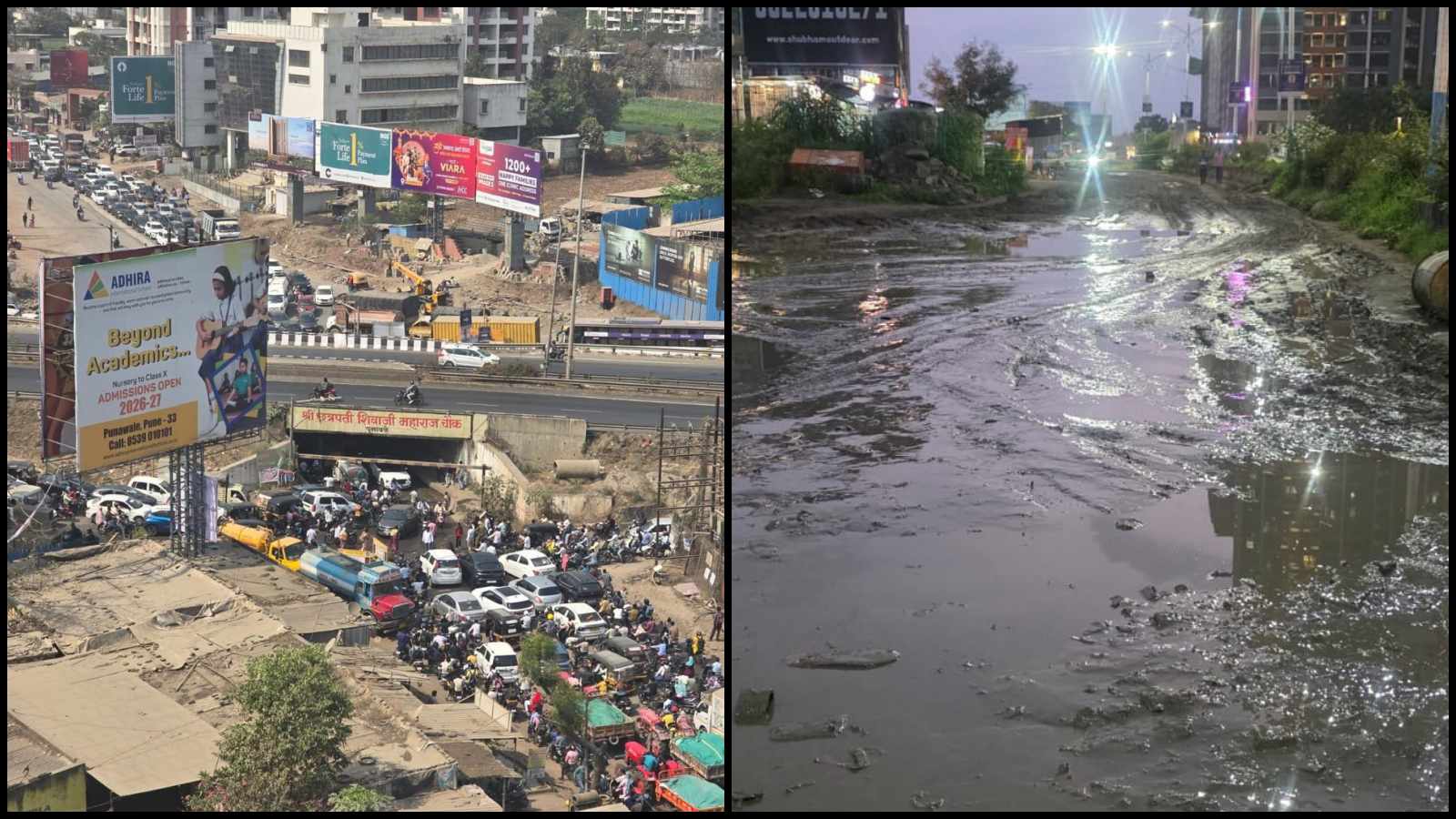
- Key issues: Potholes, traffic congestion, water shortage, and waste management.
The Hinjawadi IT hub in Pune, a critical engine of Maharashtra's economy, is facing an unprecedented crisis of infrastructure. On Sunday, more than 5,000 IT professionals and local residents organized a massive silent protest to voice their frustration over the deplorable living and working conditions in the area. The demonstrators marched from the Infosys Circle in Hinjawadi Phase-1, carrying placards that highlighted years of administrative neglect.
Government Response and Financial Sanction
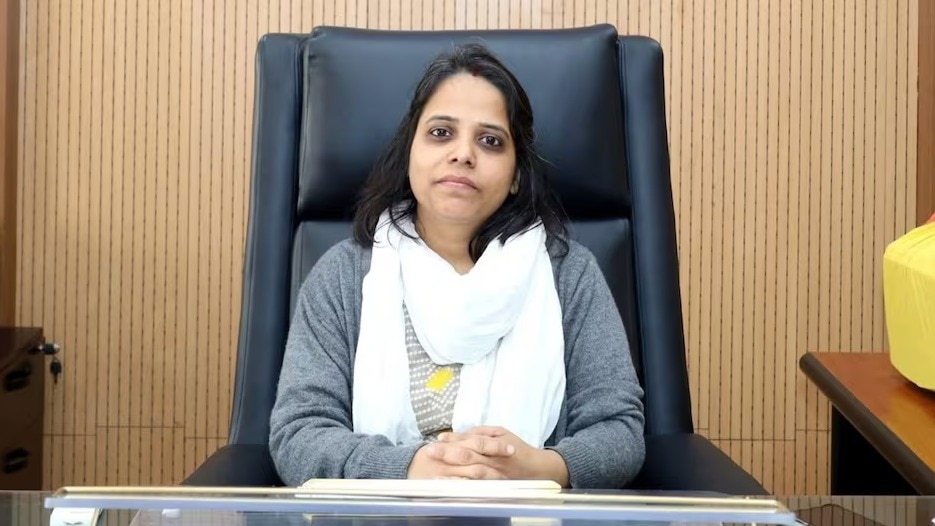
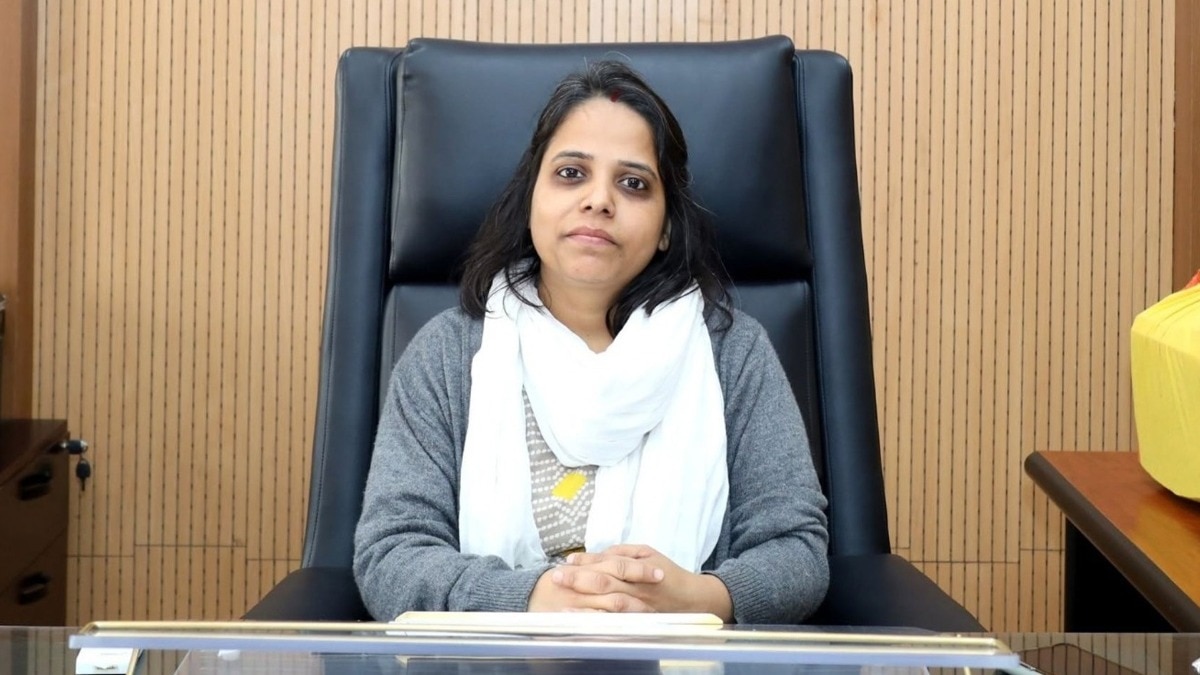
In response to the growing public outcry, District Collector Jitendra Dudi announced that a significant fund of ₹426 crore has been sanctioned for the development of the Hinjawadi IT Park area. Dudi, who will lead a state-appointed Task Force, has committed to a structured timeline for these improvements.
According to the Collector, the sanctioned funds will be utilized for repairing existing roads, constructing pedestrian pathways, ensuring last-mile connectivity with the Metro, and upgrading storm-water drainage systems. He emphasized a dual-track deadline: while the entire infrastructure overhaul is slated for completion within 1.5 years, priority works must be finished before the upcoming monsoon.
The Economic Disconnect: Revenue vs. Amenities
BozokMedia analysis shows a glaring disparity between the economic contribution of the IT hub and the services provided to it. Pavanjit Mane of the Forum for IT Employees (FITE) pointed out that while the Hinjawadi IT hub contributes approximately ₹5,000 crore in annual revenue to the state government, the basic amenities provided in return are substandard.
The massive revenue gap between what the IT sector contributes and the infrastructure it receives highlights a systemic failure in urban planning.
The protesters' grievances extend beyond just roads. They have raised alarms over perennial water shortages, ineffective garbage disposal systems, unreliable power supply, and extreme traffic bottlenecks at locations like the Wakad Flyover, Bhumkar Chowk, and Tathawade underpasses.
Political Backing and Risk of Corporate Migration
The protest gained significant political momentum with the support of Shiv Sena (UBT) leader Aditya Thackeray and NCP (SP) MLA Rohit Pawar. Thackeray expressed deep concern, noting that the administrative apathy is so severe that major companies are now considering relocating their operations out of the area, which could jeopardize the livelihoods of lakhs of young professionals.
Rohit Pawar echoed these sentiments on social media, warning that if corrective measures are not implemented immediately, the current public frustration could escalate into even larger-scale unrest, for which the state government would be held responsible.
Frequently Asked Questions
Question 1: What is the total budget approved for Hinjawadi's infrastructure?
Answer: The District Collector has approved ₹426 crore for the infrastructure development of the Hinjawadi IT Park area.
Question 2: What are the primary demands of the IT employees?
Answer: Their demands include better road maintenance, Metro connectivity, improved water supply, and solving traffic congestion at major bottlenecks.