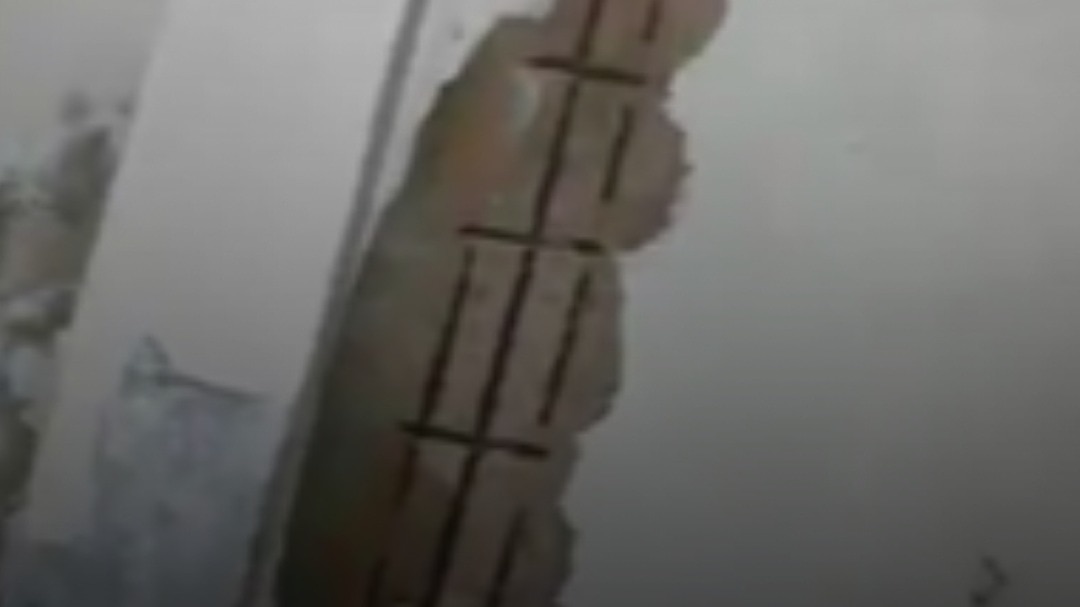
Critical failures in urban infrastructure have left numerous buildings on the verge of collapse. Cracked foundations and systemic negligence are putting thousands of lives at risk.
- Numerous urban buildings are standing on severely compromised foundations.
- Lack of mandatory structural audits has increased the risk of sudden collapse.
- Poor construction quality and administrative apathy are the primary drivers.
The rapid pace of urbanization in major cities has put an unsustainable strain on existing infrastructure. Recent investigations indicate that several residential and commercial complexes are perched on foundations that have developed deep, structural fissures. According to reporting by India Today, these structures are mere steps away from a potential tragedy.
The crisis is not merely a result of substandard materials but is deeply rooted in the failure of municipal bodies to enforce building codes. In many instances, high-rise structures were erected without comprehensive soil analysis, leading to uneven settling and subsequent cracking of the base.
Why This Matters
BozokMedia analysis shows that the intersection of climate change—leading to erratic rainfall and soil erosion—and corruption in construction permits has created a 'ticking time bomb' in urban centers. If structural audits are not mandated immediately, we may witness a series of catastrophic collapses during the next monsoon season.
"Structural integrity is non-negotiable; a cracked foundation is a silent warning of an imminent disaster."
Historically, urban centers have witnessed devastating collapses where entire blocks vanished in seconds. The pattern remains consistent: administrative action usually follows a disaster rather than preventing one. Illegal floor additions and unauthorized modifications have further exacerbated the instability of these buildings.
Experts argue for the implementation of mandatory structural health checks every decade for all aging buildings. The integration of IoT-based sensors could provide real-time data on foundation shifts, allowing for timely evacuations and reinforcements.
Frequently Asked Questions
Q1: What causes foundations to crack in urban buildings?
A: Common causes include poor soil bearing capacity, use of low-grade concrete, and chronic water seepage leading to soil erosion.
Q2: How can residents identify if their building is unsafe?
A: Residents should look for diagonal cracks in walls and floors and immediately consult a certified structural engineer for a professional audit.