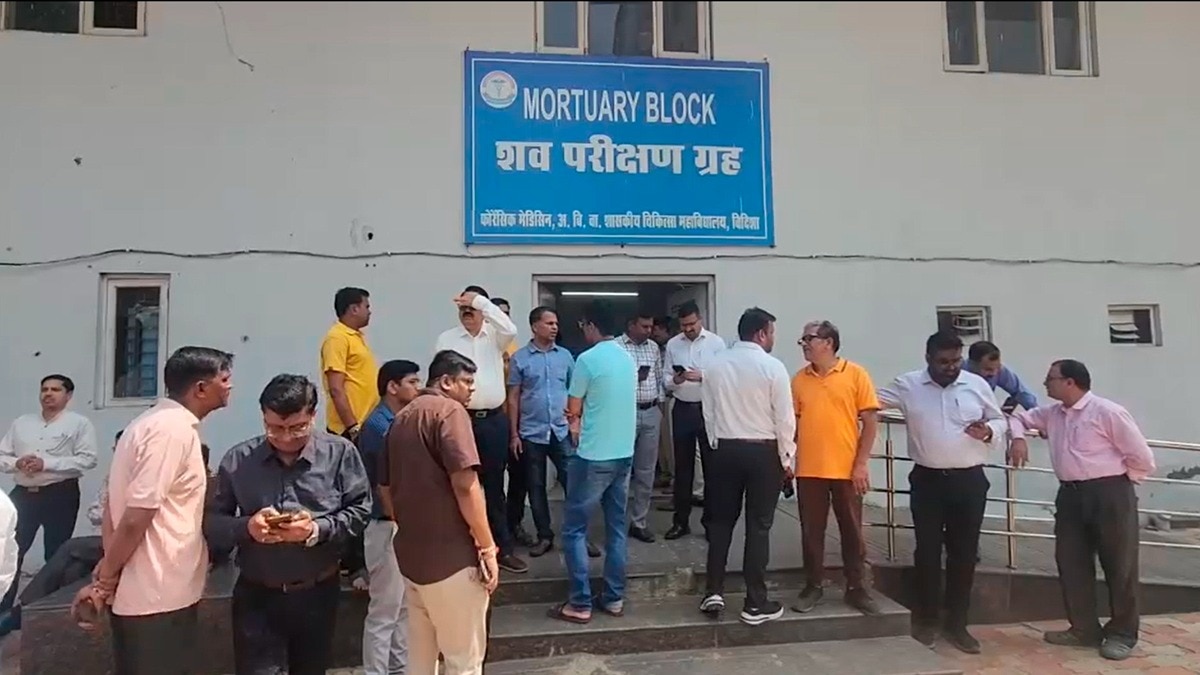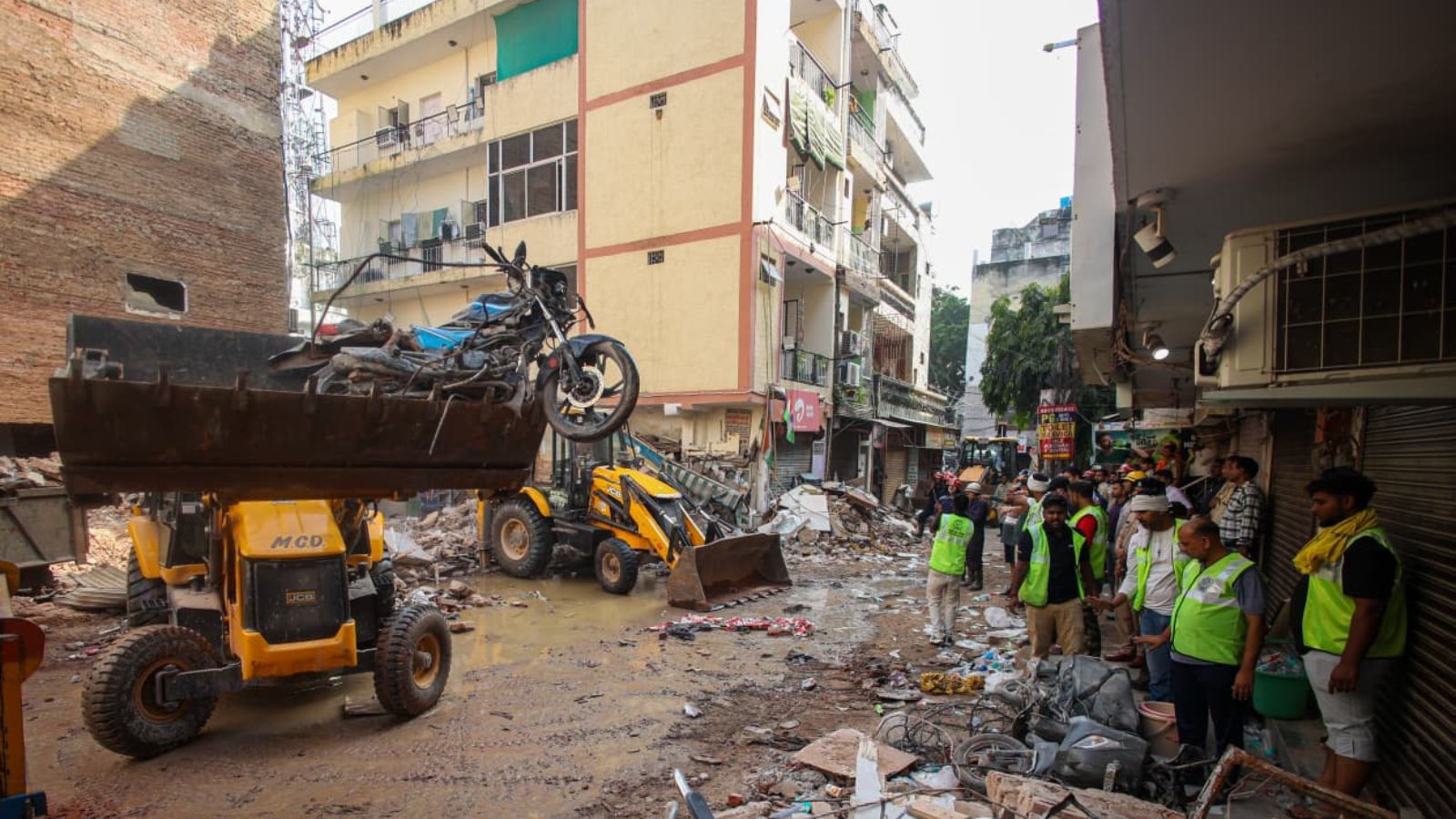
From Satya Niketan to Vivek Vihar, recurring building collapses expose a systemic failure in Delhi's urban governance. Experts call for a 'demunicipalisation' of safety regulations to prevent further loss of life.
- Frequent collapses in Satya Niketan, Hauz Rani, and Vivek Vihar highlight a critical lack of structural oversight.
- The current online approval systems (Auto DCR/BPAMS) ignore the massive scale of unauthorized constructions.
- Integration of AI, LiDAR, and high-resolution satellite imagery is proposed to automate compliance and reduce corruption.
The recent collapse of a multi-storey building in Satya Niketan has once again cast a spotlight on the precarious state of building safety in India's capital. Similar tragedies in Saidulajab, Hauz Rani, Tughlakabad Extension, Palam, and Vivek Vihar are not isolated incidents but symptoms of a deeper, systemic rot. In Delhi, planned urban development exists precariously alongside informal growth, including slums and unauthorized colonies, both of which are riddled with blatant building violations.
The stakes are exceptionally high because Delhi is situated in Seismic Zone IV, making it highly vulnerable to severe earthquakes. When illegal constructions violate the Delhi Master Plan, the Unified Building Bye-laws, and the Delhi Fire Service Act, they create death traps for thousands of residents. Ensuring structural and fire safety is not merely a legal requirement; it is a fundamental human right that is currently being ignored.
Why This Matters
BozokMedia analysis shows that the core of the problem lies in the 'reactive' nature of the building departments. Currently, authorities only scrutinize plans that are formally submitted. This means the most dangerous, high-risk buildings—those constructed entirely without permission—remain invisible to the regulatory system. Without decoupling these safety functions from the political apparatus, enforcement will remain selective and ineffective.
"The city cannot afford unsafe buildings, irrespective of the type of development, land ownership or land use."
While the introduction of the Automated Development Control Regulations (Auto DCR) and the Building Plan Approval Management System (BPAMS) was a step toward transparency, the reform has stalled. These systems are unable to handle the complexities of modern urban planning, such as transit-oriented development or heritage conservation zones, and they completely bypass the informal sector.
To combat this, a radical shift toward Geospatial AI and LiDAR technology is required. By using high-resolution satellite imagery for Real-Time Morphological Tracking, the government can detect unauthorized additions to buildings as they happen. This would minimize human interface, drastically reducing the subjectivity and corruption that typically shield illegal builders.
Frequently Asked Questions
Q1: Why are existing online systems failing to stop building collapses?
Existing systems only process submitted plans; they have no mechanism to detect or monitor constructions that are built illegally without any filed plans.
Q2: How can AI and Drones improve building safety?
They enable continuous, real-time monitoring of city skylines, allowing authorities to identify unauthorized floor additions or structural changes via satellite data without needing a manual site visit.