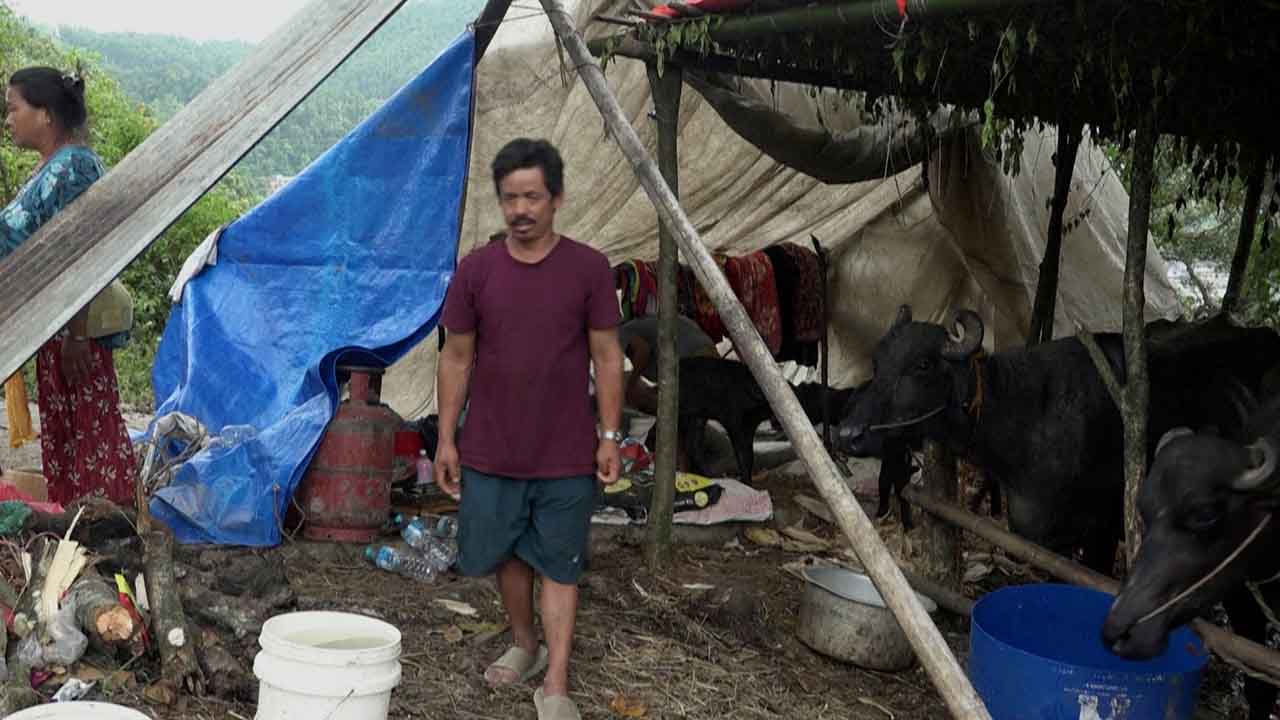
Catastrophic flash floods have ravaged Nepal's rural districts, leaving over 84,000 people displaced and threatening the long-term food security of farming communities.
- 84,270 people affected across 17 municipalities in 6 districts.
- 67.4% of the population in affected rural/mountainous areas rely on farming.
- Severe loss of livestock and fertile topsoil creating a long-term economic crisis.
The receding waters of the rivers in Nuwakot and surrounding regions have revealed a landscape of utter devastation. Flash floods have swept away entire farms, leaving fertile agricultural lands buried under thick layers of silt and debris. For the farmers of Nepal, the loss is not just financial but existential.
According to a comprehensive report by the United Nations, the floods have impacted 17 municipalities across six districts. Approximately 84,270 individuals have been affected, with the brunt of the damage felt in rural and mountainous terrains where infrastructure is minimal and vulnerability is high.
Why This Matters
BozokMedia analysis shows that the socio-economic impact is disproportionately high because 67.4% of the affected population is directly dependent on agriculture. The destruction of crops and livestock doesn't just mean a loss of current income; it triggers a systemic collapse of food security for thousands of families, potentially leading to a surge in rural poverty.
"The loss of topsoil during flash floods in mountainous regions is an ecological disaster that can take years to reverse, rendering previously fertile land unproductive."
Historically, Nepal has been prone to monsoon-related disasters, but the increasing frequency and intensity of these events point toward a larger climate crisis. The lack of resilient drainage systems and early warning mechanisms in remote villages has exacerbated the casualties and economic loss.
Frequently Asked Questions
Q1: How many people were affected by the floods?
A: According to UN data, 84,270 people across 17 municipalities in 6 districts have been impacted.
Q2: Why is the impact on farmers so severe?
A: Beyond crop loss, the floods have deposited silt over fertile land and killed livestock, which are the primary assets for 67.4% of the local population.


