Following the deadly hostel collapse in Delhi's Satya Niketan, authorities in Gurgaon are cracking down on hundreds of illegal PGs and guesthouses operating in residential zones without safety clearances.
- 453 illegal PGs and guesthouses identified across Gurgaon's residential sectors.
- 18 establishments sealed in DLF Phase III for severe violations.
- Haryana Human Rights Commission (HHRC) warns of grave risks to the 'Right to Life'.
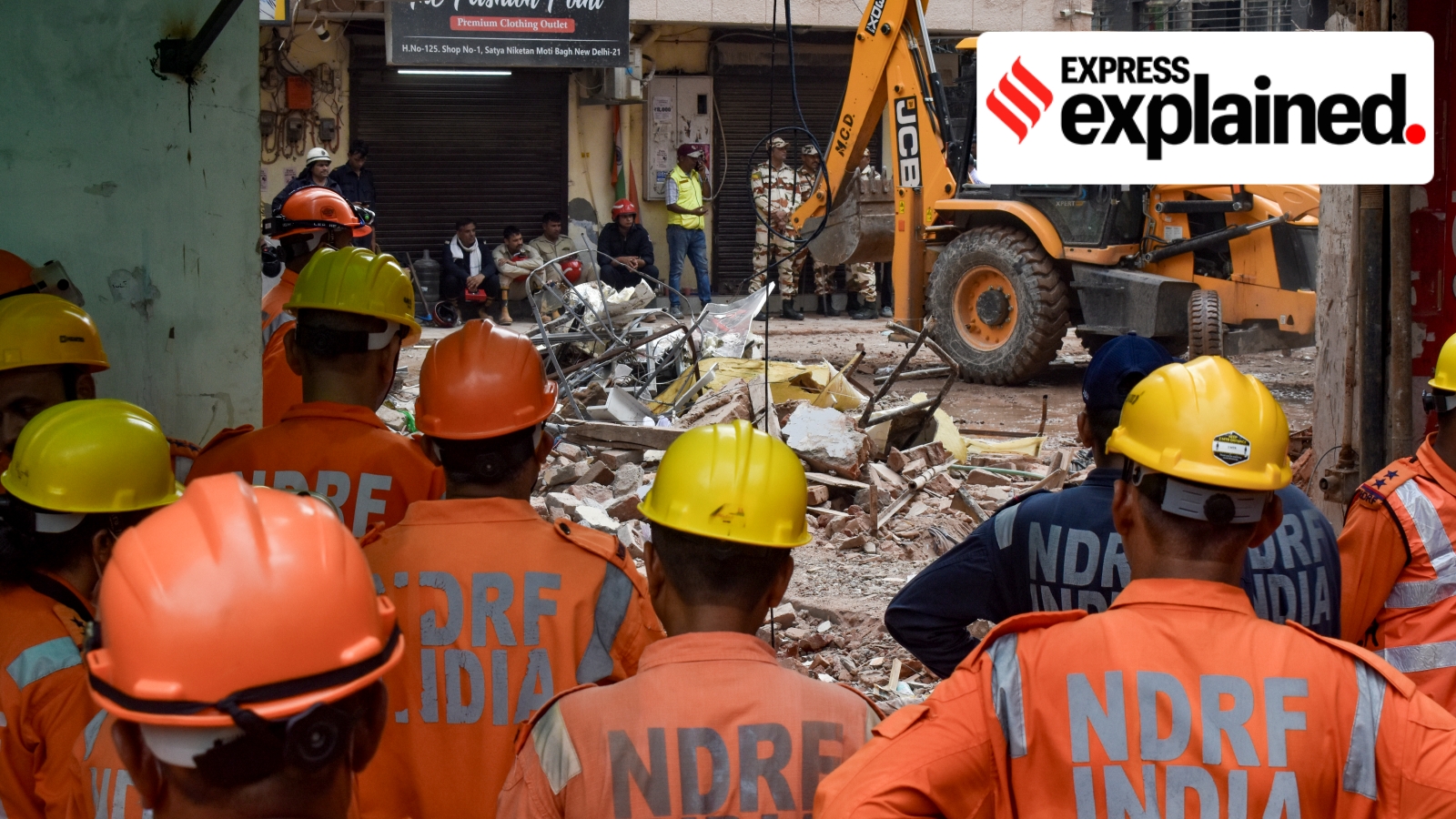
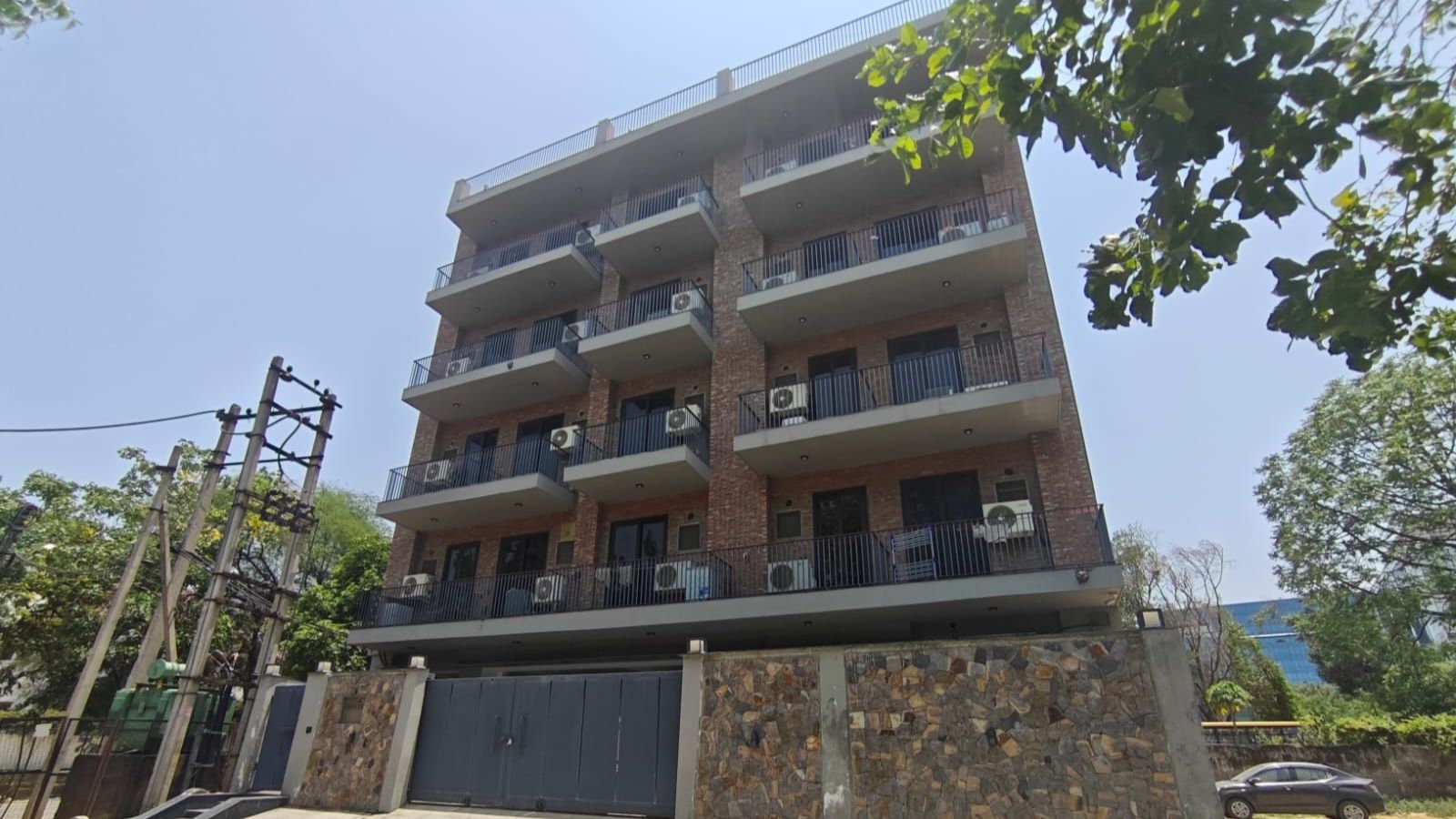
The tragic collapse of a five-storey student hostel in Delhi’s Satya Niketan, which claimed seven lives, has served as a grim wake-up call for Gurgaon. The city is currently witnessing a mushrooming of high-capacity Paying Guest (PG) accommodations and guesthouses within residential areas, often operating in total defiance of zoning laws and safety protocols. A comprehensive survey by the Haryana Shehri Vikas Pradhikaran (HSVP) has flagged 453 such unauthorized establishments.
Residents of DLF Phase 3, a hub for such accommodations, have expressed deep anxiety. Sameer Puri, a local resident, warns that the city is a ticking time bomb, especially in areas like U Block where residential plots have been illegally extended with additional floors to accommodate more tenants. While recent enforcement drives in June brought temporary peace, residents argue that the administration's approach is too superficial.
Why This Matters
BozokMedia analysis shows that the proliferation of these illegal PGs is a systemic failure of urban governance. Converting residential plots into high-density commercial lodging puts an unsustainable strain on power grids, water supply, and sewage systems. More critically, the absence of structural safety audits and fire emergency exits transforms these buildings into death traps for young students and working professionals who migrate to the city for opportunities.
"The systemic failure to enforce land-use laws in residential hubs creates a hazardous environment where profit is prioritized over human life."
The Haryana Human Rights Commission (HHRC) has taken suo motu cognisance of the matter. In a recent order, the commission noted that such unauthorized changes in land use lead to overcrowding and severe sanitation issues. The panel specifically highlighted that the lack of emergency exits gravely endangers the right to life, citing previous fire disasters in student hubs like Mukherjee Nagar and Noida.
Action on the ground has been sporadic. Between June and July, the Department of Town and Country Planning (DTCP) Haryana sealed 15 PGs (476 rooms) and three guesthouses (87 rooms) in DLF Phase III. This action was previously hindered by a stay from the Punjab and Haryana High Court, which was modified in May 2026, allowing enforcement teams to proceed with sealing and demolition drives.
| Metric | Details/Statistics |
|---|---|
| Total Identified Illegal PGs | 453 |
| Establishments Sealed (DLF III) | 18 |
| Legal Guesthouse Permissions | 218 (under 2021 Policy) |
| Total Rooms Sealed | 563 |
Frequently Asked Questions
Q1: Why are these PGs considered illegal?
They are illegal if they operate without a Change of Land Use (CLU) certificate, lack commercial electricity/water connections, or fail to meet fire safety and structural standards.
Q2: What is the HHRC's role in this crackdown?
The HHRC is monitoring the situation to ensure that the 'Right to Life' of tenants is protected and has ordered various authorities to submit progress reports on enforcement.