India and China have concluded high-level military talks in Arunachal Pradesh to address tensions in the Taksing area. The meetings precede the anticipated visit of President Xi Jinping to India.
- Two-day military talks held at Wacha (India) and Damai (China) in Arunachal Pradesh.
- Meetings aimed at resolving tensions in the Taksing area of Upper Subansiri district.
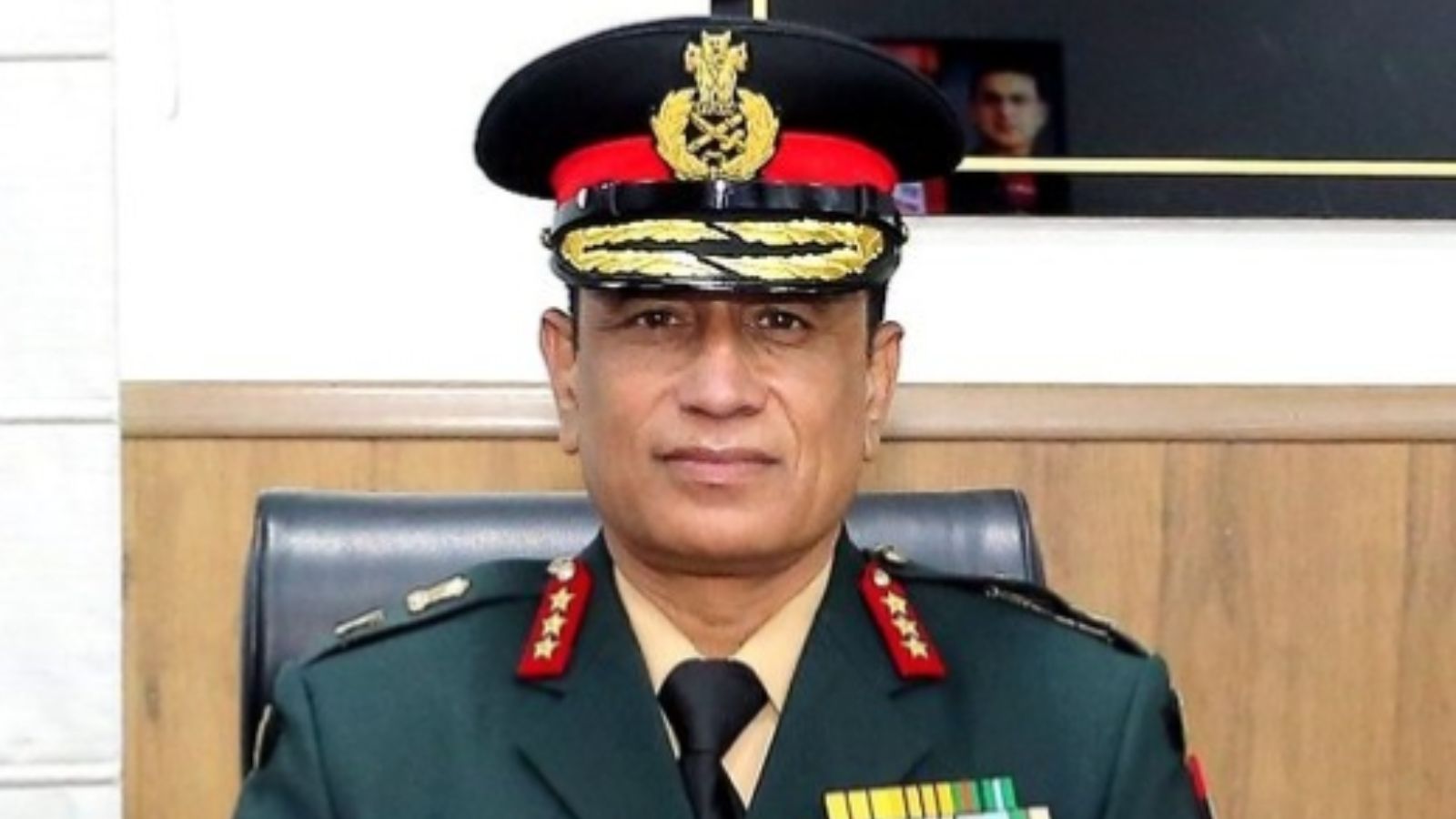
- Led by Lt Gen Girish Kalia of the Army’s III Corps (Spear Corps).
- Strategically timed ahead of President Xi Jinping's likely visit for the BRICS Summit.
The Ministry of External Affairs (MEA) announced on Tuesday that India and China engaged in critical Corps Commander-level military discussions in the eastern sector on Sunday and Monday. These talks were convened amidst simmering tensions in the Taksing area of the Upper Subansiri district in Arunachal Pradesh, highlighting the fragility of the Line of Actual Control (LAC).
According to MEA spokesperson Randhir Jaiswal, the 'Senior Highest Military Commander-Level Flag Meeting' took place over two consecutive days. The first session occurred on Sunday (September 6) at Wacha on the Indian side, followed by a session on Monday (September 7) at Damai on the Chinese side. Jaiswal noted that a similar coordination mechanism has been operational in the Western Sector since 2020.
Why This Matters
BozokMedia analysis shows that these military engagements are not isolated events but are synchronized with a broader diplomatic roadmap. These talks follow understandings reached between Special Representatives in August 2025 and 2026, and subsequent Working Mechanism for Consultation and Coordination (WMCC) meetings in Beijing and New Delhi. The timing is pivotal, as it sets the stage for a possible thaw in relations before the BRICS Summit.
The Indian delegation was led by Lt General Girish Kalia, commander of the Army’s III Corps, also known as the Spear Corps, headquartered at Rangapahar. This military dialogue follows a high-stakes meeting in Beijing on August 25 between National Security Advisor (NSA) Ajit Doval and Chinese Foreign Minister Wang Yi.
"Military-level dialogues serve as a vital safety valve to prevent accidental escalation, but long-term peace requires a political consensus on border demarcation."
Historically, the LAC has been a flashpoint for conflict. In eastern Ladakh, India and China have already completed 23 rounds of Corps Commander meetings at the Chushul-Moldo border point. The extension of this mechanism to the eastern sector indicates a systemic approach to managing the border standoff across the entire frontier.
Despite the talks, India maintains a robust military presence in the region. Large numbers of troops remain deployed to prevent any unilateral changes to the status quo, ensuring that diplomacy is backed by strong deterrence.
| Sector | Meeting Point | Primary Focus |
|---|---|---|
| Western Sector (Ladakh) | Chushul-Moldo | 2020 Standoff Resolution |
| Eastern Sector (Arunachal) | Wacha-Damai | Taksing Area Tensions |
Frequently Asked Questions
1. Where did the recent military talks take place?
The talks were held at Wacha (India) and Damai (China) in the eastern sector of Arunachal Pradesh.
2. Who led the Indian side in these talks?
The talks were led by Lt General Girish Kalia, commander of the Army’s III Corps (Spear Corps).