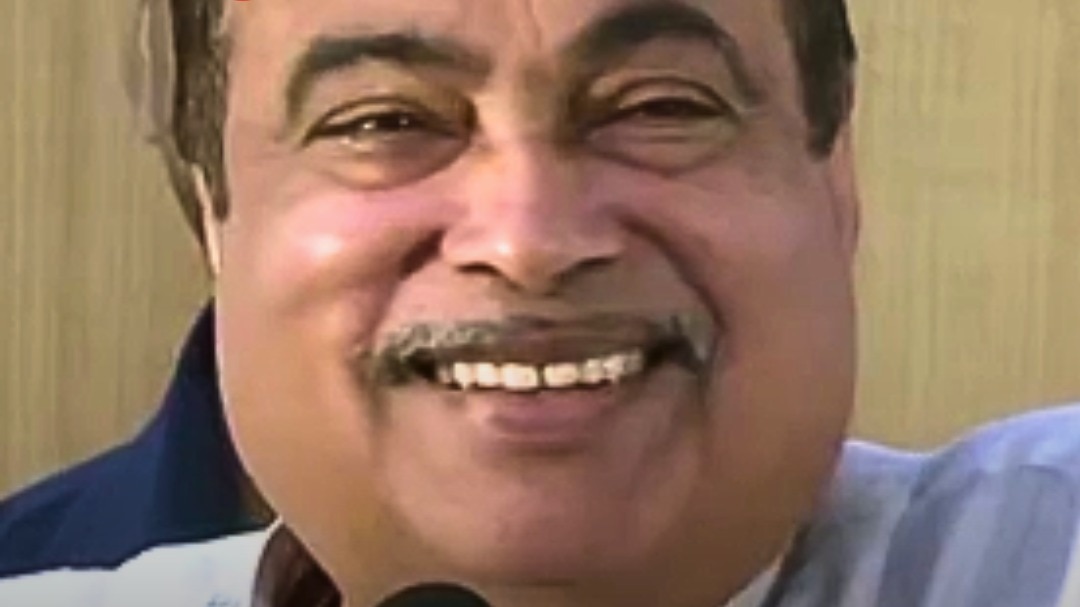
Union Minister Nitin Gadkari made a startling revelation during a session at IIM Nagpur, discussing the unexpected demographics of his voter support base. He highlighted a surprising trend of high support from marginalized and criminalized sectors of society.
- Nitin Gadkari claimed a 92% vote share from criminal, underworld, and red-light areas.
- The remarks were made during an interaction with students and faculty at IIM Nagpur.
- The Minister emphasized the inclusive nature of democratic mandates in India.
In a candid and unexpected address at the Indian Institute of Management (IIM) Nagpur, Union Minister for Road Transport and Highways, Nitin Gadkari, shed light on the complex sociology of Indian elections. While discussing the nature of political mandates, Gadkari revealed that he secured a staggering 92% of the vote share from sectors typically viewed as the fringes of society, including the criminal underworld and red-light areas.
The Minister's comments were aimed at illustrating how development and accessibility can bridge the gap between the government and the most marginalized or stigmatized sections of the population. By citing these specific demographics, Gadkari suggested that the delivery of basic infrastructure and a perceived approachability can sway even the most skeptical or alienated voters.
Why This Matters
BozokMedia analysis shows that this statement is more than just a statistical claim; it is a reflection of the 'inclusive' political strategy employed by the BJP in Maharashtra. By penetrating traditional strongholds of opposition or ignored social strata, the ruling party is attempting to redefine its voter base beyond traditional caste and religious lines.
"The ability of a leader to command loyalty from the most marginalized sectors indicates a shift toward performance-based voting over ideological alignment."
Historically, the Nagpur region has been a crucible of political volatility. The juxtaposition of high-tech educational hubs like IIM Nagpur and the gritty reality of the city's underworld highlights the socio-economic disparity that Gadkari's comment touches upon. This narrative of 'reaching the unreachable' is a recurring theme in his political rhetoric.
Furthermore, this admission raises questions about the intersection of crime and politics in regional elections. While Gadkari presents this as a victory of inclusive governance, critics often argue that such support bases are built on complex networks of patronage and local influence.
Frequently Asked Questions
Q1: Where did Nitin Gadkari make these comments?
He made these remarks during a guest lecture/interaction at IIM Nagpur.
Q2: What was the core message of his speech?
The core message was about the diversity of his voter base and the impact of governance on all sections of society, regardless of their background.