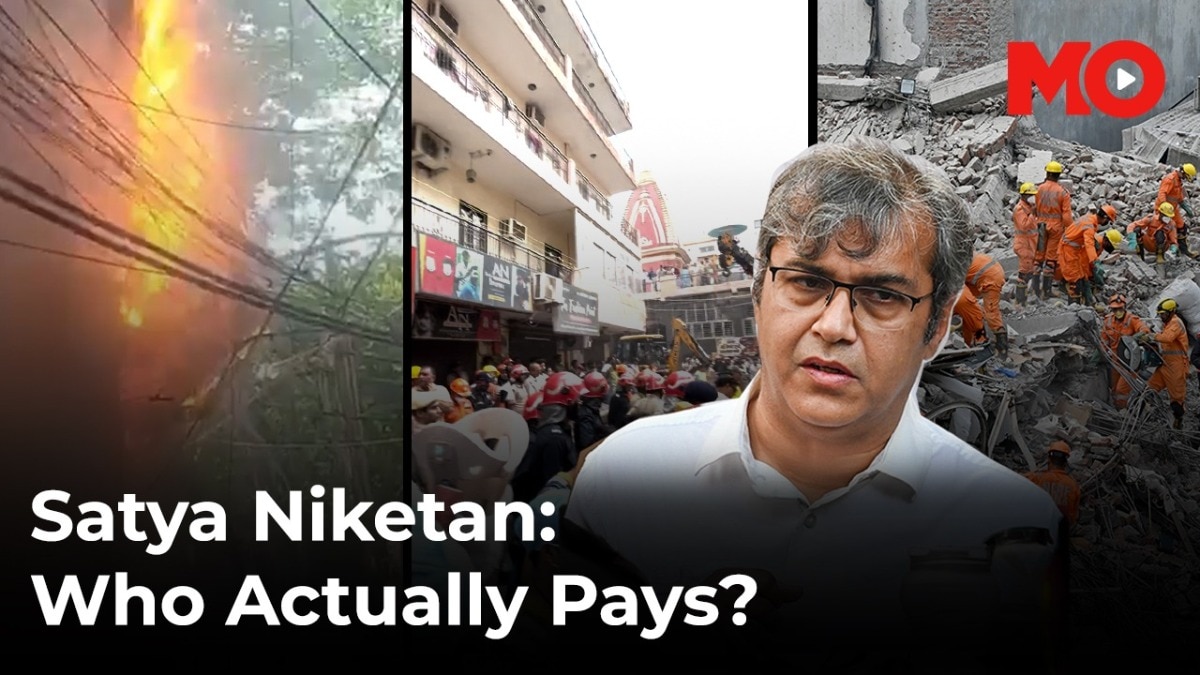
A recurring pattern of negligence has led to another fatal tragedy in Delhi. The persistence of the same officials in power despite previous failures highlights a catastrophic collapse of accountability.
- A fresh tragedy in Delhi has exposed the fragility of urban safety infrastructure.
- Allegations surface that the same officials responsible for past failures remain in power.
- The death toll continues to rise due to a lack of stringent administrative oversight.
The national capital, Delhi, has once again been struck by a devastating tragedy that underscores a systemic collapse of safety and governance. This incident is not an isolated accident but a symptom of a deeper malaise where safety regulations are treated as mere formalities rather than life-saving mandates.
The most alarming aspect of this current crisis is the continuity of the bureaucracy. According to reports by India Today, the same set of officials who presided over previous tragedies—and were allegedly negligent—continue to hold their positions. This lack of consequence creates a culture of impunity within the administration.
Why This Matters
BozokMedia analysis shows that the recurring nature of these tragedies is a direct result of a missing accountability loop. When officials are not penalized for negligence, there is zero incentive to implement rigorous safety audits. In a densely populated metropolis like Delhi, such administrative apathy translates directly into loss of human life.
"The absence of punitive action against negligent bureaucrats transforms avoidable accidents into systemic murders."
Looking at the historical background, Delhi has witnessed a series of preventable disasters over the last decade. From fire hazards in crowded markets to structural collapses in residential hubs, the pattern remains identical: a tragedy occurs, a committee is formed, a report is filed, and the officials remain untouched while the victims' families are left without justice.
Frequently Asked Questions
Q1: Who is primarily responsible for these recurring tragedies?
The primary responsibility lies with the regulatory bodies and municipal officials who fail to conduct honest safety inspections.
Q2: Why haven't the officials been replaced after previous disasters?
A lack of political will and a bureaucratic shield often protect high-ranking officials from facing legal or professional consequences.