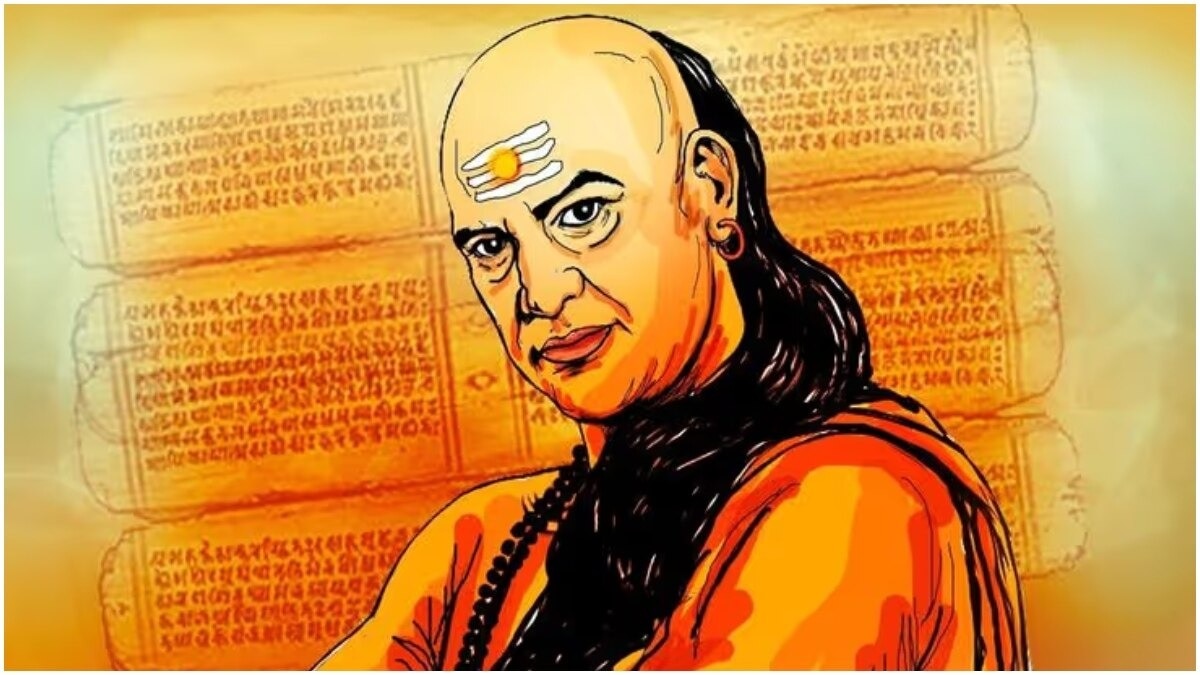
Acharya Chanakya identifies ignorance, uncontrolled youth, and dependence on others as the three greatest sufferings. Discover how wisdom and self-reliance can mitigate these challenges.
- Ignorance and lack of discernment are primary sources of mental agony.
- Unbridled passion in youth, without experience, often leads to failure.
- Living under the dependency of others is the most painful of all hardships.
Acharya Chanakya, the legendary strategist and philosopher of ancient India, provided a blueprint for success that transcends time. While many view Chanakya Niti as a guide to political power or wealth, its true essence lies in its psychological and social insights. He emphasized that understanding one's vulnerabilities is the first step toward a fulfilling life.
Through a profound verse, Chanakya outlines the three greatest hardships: 'Kashtam cha khalu murkhatvam kashtam cha khalu yauvanam, kashtat kashtataram chaiva pargahe nivasanam'. In essence, he posits that ignorance is painful, the impulsiveness of youth is challenging, but living in another's home (dependency) is the most excruciating of all.
1. Ignorance: The Invisible Chain
Chanakya identifies ignorance (Murkhatvam) as a significant source of suffering. He does not refer to a lack of formal education, but rather a lack of wisdom and discernment. A person unable to distinguish right from wrong often makes catastrophic decisions. In the modern era, this manifests as falling prey to misinformation or making impulsive financial and emotional choices without due diligence.
2. Youth: The Struggle Between Energy and Experience
While youth is typically celebrated as a period of vitality, Chanakya warns of its inherent risks. The primary issue is the gap between high energy and low experience. Impulsiveness, anger, and the tendency to take uncalculated risks can lead to long-term setbacks. However, he suggests that if this energy is channeled through discipline and mentorship, it becomes the strongest engine for success.
Why This Matters
BozokMedia analysis shows that in today's high-pressure corporate and social environment, the lack of emotional intelligence (which Chanakya defines as wisdom) leads to burnout and failed relationships. The ancient wisdom of managing one's impulses during youth is directly applicable to the modern struggle of 'instant gratification'.
"Self-reliance is not merely about financial independence; it is the fundamental prerequisite for mental dignity and self-respect."
3. Dependency: The Loss of Freedom
The most severe hardship, according to Chanakya, is living in another's house. This is a metaphor for dependency. When an individual relies on others for their basic needs or shelter, they surrender their autonomy. They must adhere to others' rules and suppress their own desires, which leads to mental stress and a diminished sense of self-worth. This is a timeless call for achieving absolute self-reliance.
Hardships vs. Solutions
| Type of Hardship | Root Cause | Solution |
|---|---|---|
| Ignorance | Lack of Discernment | Continuous Learning & Curiosity |
| Impulsive Youth | Excessive Passion | Self-Control & Patience |
| Dependency | Lack of Autonomy | Skill Development & Independence |
Frequently Asked Questions
Q1: Is youth inherently a period of suffering?
A: No, youth itself is not the cause; rather, the lack of experience and the tendency to make emotional decisions without foresight create the hardship.
Q2: Why is dependency considered the greatest pain?
A: Because freedom and dignity are basic human needs. Dependency forces an individual to compromise their identity and desires to please others.