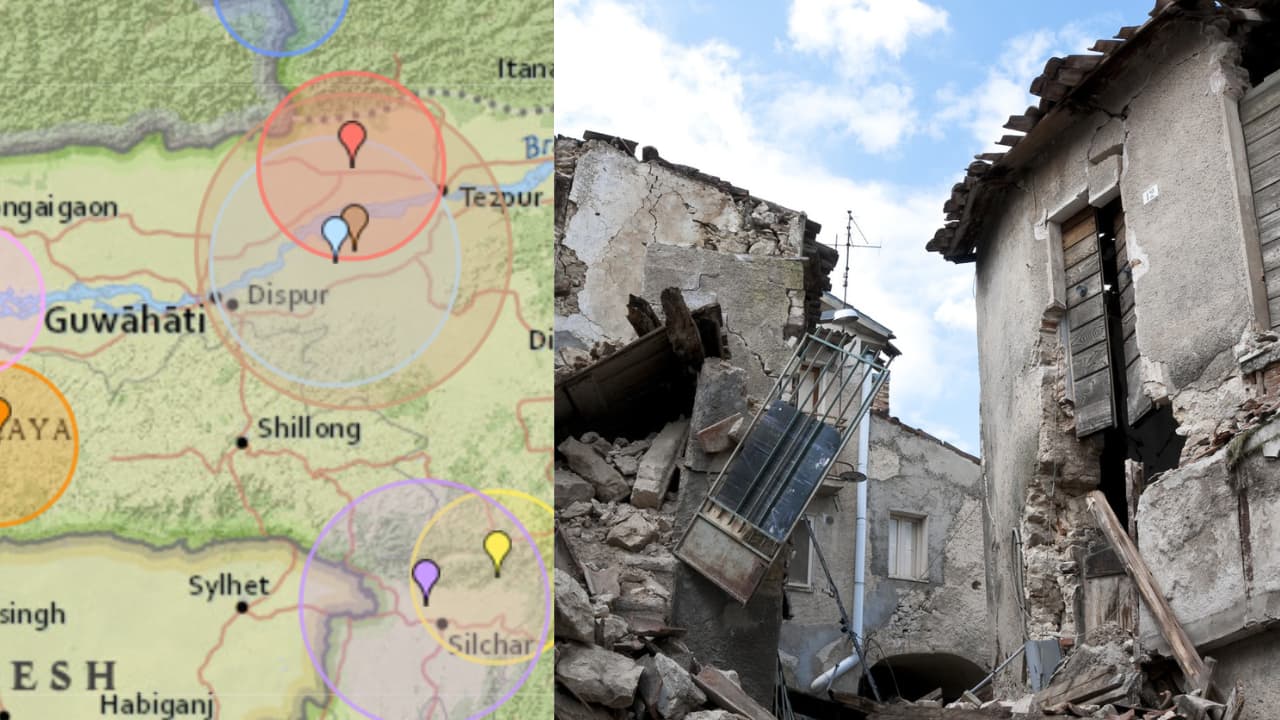
Following a structural failure in Satya Niketan, the Municipal Corporation of Delhi has launched a massive crackdown on illegal constructions, demolishing 24 properties and surveying over 1,000 PG accommodations.
- Massive demolition drive targeting unauthorized floors in student hubs.
- 24 properties demolished and 7 buildings sealed across the capital.
- Structural instability found in 38% of analyzed buildings in Satya Niketan.
The Municipal Corporation of Delhi (MCD) has initiated a high-intensity demolition drive across the national capital, targeting illegal constructions and severe structural violations. This crackdown follows a perilous building collapse in Satya Niketan, which served as a wake-up call for urban authorities regarding the proliferation of unsafe residential structures.
The operation has primarily focused on student-heavy localities including Satya Niketan, Laxmi Nagar, and Mukherjee Nagar. Authorities have already demolished 24 properties and sealed seven others. A comprehensive survey of over a thousand paying guest (PG) accommodations revealed a disturbing trend: multiple buildings had unauthorized fifth floors constructed on foundations designed to support only two or three storeys.
Why This Matters
BozokMedia analysis shows that the rapid, unregulated urban expansion in Delhi has created a dangerous environment where profit outweighs public safety. The surge in student populations has led landlords to add floors illegally, bypassing building bylaws. This systemic failure transforms residential areas into high-risk zones, making strict enforcement the only viable solution to prevent future tragedies.
"Adding floors without structural reinforcement is a recipe for disaster in a densely populated city like Delhi."
The human impact of this instability was evident as students from Bhagat Singh College were forced to vacate their cracked accommodations. In a swift response, the college administration converted its conference hall into a temporary shelter to ensure students were not left homeless during the demolition process.
Due to the fragility of the surrounding structures, the MCD is employing manual and phased demolition techniques under the strict supervision of structural engineers. This careful approach aims to mitigate the risk of secondary collapses that could affect adjacent legal properties.
Data underscores the severity of the crisis. Between 2016 and 2023, the number of buildings in Delhi increased by 18 percent. In Satya Niketan specifically, 38 percent of the 1,717 analyzed structures showed an unauthorized increase in height, highlighting a widespread disregard for zoning laws.
| Area | Primary Issue | Action Status |
|---|---|---|
| Satya Niketan | Excessive Height Increase | Critical (Demolition) |
| Laxmi Nagar | Illegal PG Conversions | High (Sealed/Surveyed) |
| Mukherjee Nagar | Structural Violations | Medium (Under Inspection) |
Frequently Asked Questions
Q1: Which areas are most affected by the MCD demolition drive?
A: The primary focus is on student hubs like Satya Niketan, Laxmi Nagar, and Mukherjee Nagar.
Q2: What caused the structural instability in these buildings?
A: The instability was caused by adding unauthorized floors (up to the 5th floor) on foundations meant for only 2-3 storeys.