The Saryu River has surged 30cm above the danger mark, triggering flood warnings across Sadar, Sohawal, and Rudauli tehsils. Local authorities have initiated emergency evacuations and banned boat services to ensure public safety.
- Saryu River is flowing 30cm above the danger level at Guptarghat.
- Flood alerts issued for Sadar, Sohawal, and Rudauli tehsils.
- Boat services suspended; residents shifted to higher ground.
- Water rise attributed to heavy rainfall and runoff from Nepal.
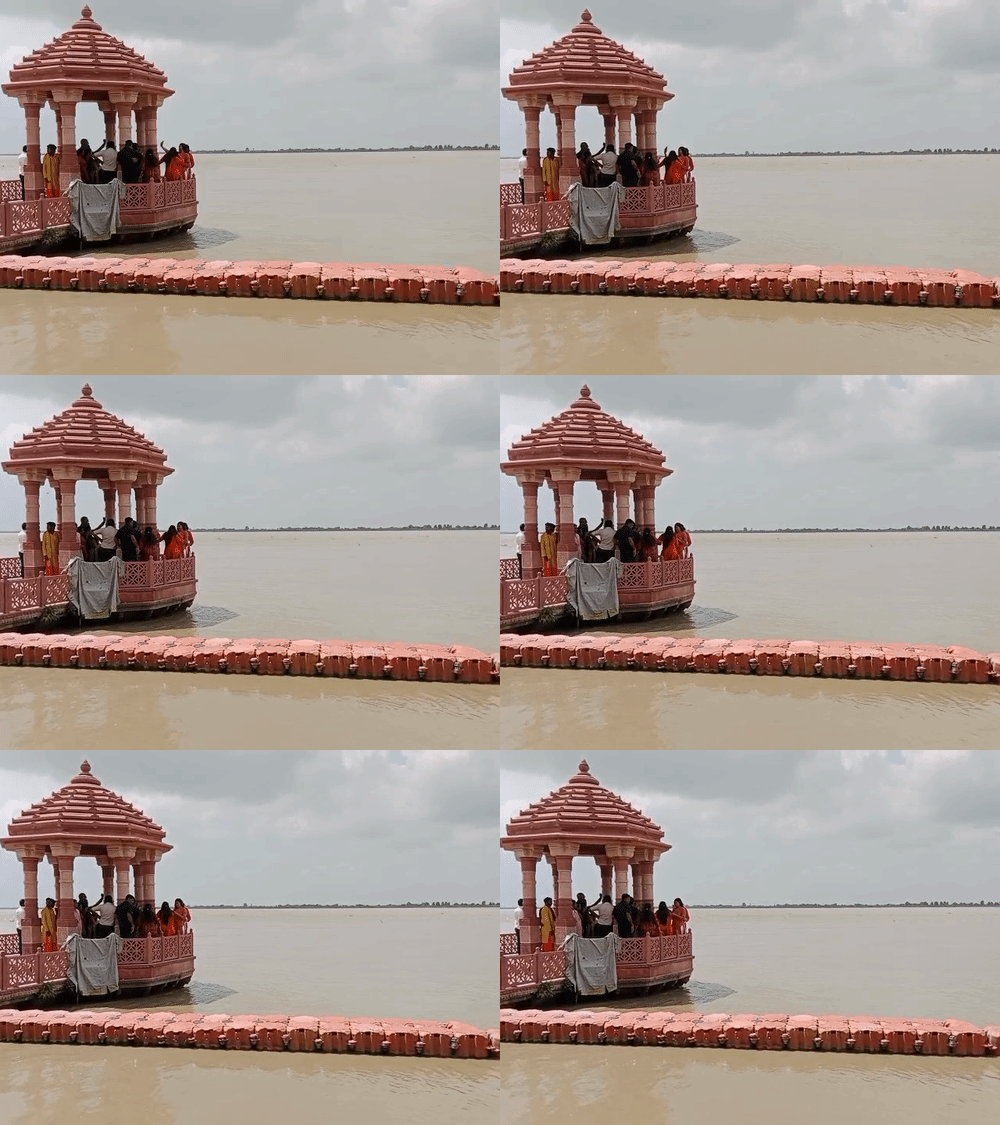
The holy city of Ayodhya is currently on high alert as the Saryu River continues to rise, breaching the danger mark by 30 centimeters. The situation has become particularly critical at Guptarghat, where the water has reached just two steps below the temple premises, severing the connection between the burj and the ghats. This sudden surge has sparked widespread anxiety among the riverbank communities.
District Magistrate Shashank Shekhar Tripathi has placed the administration on high alert, specifically targeting the Sadar, Sohawal, and Rudauli tehsils. These regions are historically prone to flooding, and the current water levels have put numerous villages at immediate risk. Administrative outposts in these flood-prone zones have been activated to provide real-time monitoring and rapid response.
Why This Matters
BozokMedia analysis shows that the recurring flooding in Ayodhya is no longer just a local seasonal issue but a systemic challenge linked to transboundary water flow. The reliance on water release schedules from Nepal combined with erratic monsoon patterns in Uttar Pradesh creates a volatile environment for the city's infrastructure and the safety of its residents.
The synchronization of rainfall in the upper catchment areas of Nepal with local precipitation often leads to rapid flash-flood scenarios in the plains of Ayodhya.
To prevent casualties, the district administration has already begun shifting vulnerable populations to safer, elevated locations. Furthermore, all boating activities on the Saryu have been strictly prohibited until further notice. This preemptive measure is aimed at preventing accidents during the turbulent water flow.
The primary drivers for this surge are the massive influx of water from Nepal and persistent rainfall across the region. While no casualties have been reported thus far, the administration remains vigilant, with officials and employees deployed on the ground for 24/7 surveillance.
Historical Background
The Saryu River, central to the spiritual identity of Ayodhya, has a history of seasonal overflowing. However, in recent years, the intensity of these floods has increased due to urban expansion along the floodplains and changes in the river's natural drainage capacity, making the city more susceptible to sudden water rises.
Frequently Asked Questions
Q1: Which areas in Ayodhya are most affected by the current flood?
The most affected areas include the villages within the Sadar, Sohawal, and Rudauli tehsils, as well as the Guptarghat area.
Q2: Why has the water level of the Saryu river increased so rapidly?
The increase is attributed to heavy rainfall in the local region and a significant volume of water flowing in from Nepal.