Nepal is facing a severe sugar crisis with prices hitting record highs of Rs 140 per kg ahead of major festivals. The government is now turning to India for urgent imports to stabilize the market.
- Retail sugar prices in Nepal have surged to as high as Rs 140 per kg.
- Increased festive demand and high import costs are driving the price hike.
- The Nepal government has approved the import of 25,000 tonnes of sugar with a minimal 1% customs duty.
- Nepal relies heavily on India to bridge its annual production deficit.
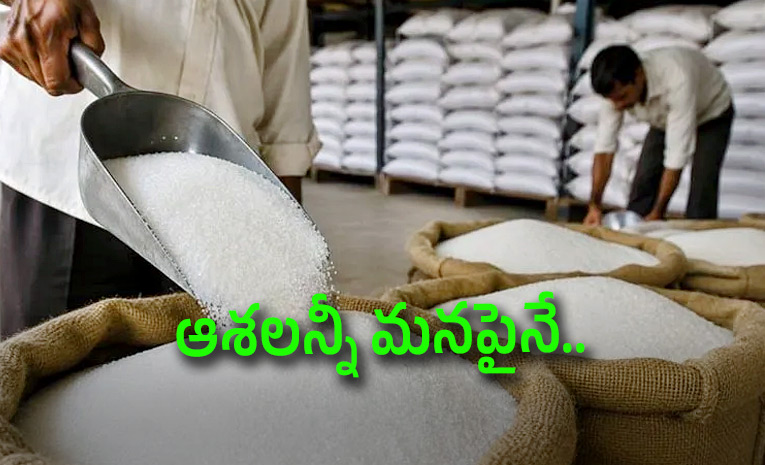
As the festive season of Dashain and Tihar approaches, the citizens of Nepal are grappling with a shocking surge in sugar prices. In the Sigal area of Kathmandu, prices have soared to Rs 140 per kg, a steep climb from Rs 115 just two weeks ago. Similarly, in Gattaghar, Bhaktapur, the price stands at Rs 130 per kg, with traders varying prices by Rs 20 to Rs 30 depending on the locality.
The President of the Nepal Retail Traders Association, Pavitra Bajracharya, noted that wholesale prices have increased by nearly Rs 125 per kg over the last month. While traders blame rising import costs, consumers suspect that artificial shortages are being created to inflate prices during the high-demand festive window.
In contrast, government-run outlets operated by the Salt Trading Corporation (STC) are selling sugar at a subsidized rate of Rs 105 per kg. However, due to supply chain disruptions, the per-customer purchase limit has been slashed from six kilograms to just two, leaving many consumers stranded.
Why This Matters
BozokMedia analysis shows that Nepal's acute dependency on Indian imports for essential commodities creates a precarious economic situation. Any shift in India's export policy or domestic price fluctuations immediately translates into inflation within Nepal, highlighting the need for strategic reserves and enhanced domestic capacity.
"The current price volatility in Nepal is a textbook example of how seasonal demand spikes can collapse a fragile supply chain that lacks sufficient domestic buffers."
Nepal's annual sugar requirement is approximately 250,000 tonnes, but domestic production peaks at only 190,000 tonnes. With the sugarcane crushing season having ended and the next one not starting until December, the country is entirely dependent on imports. To combat this, the Cabinet has authorized the STC to import 25,000 tonnes of sugar with a nominal 1% customs duty.
India remains the cornerstone of Nepal's recovery strategy. The STC has already initiated the process of importing sugar from India, with 2,500 tonnes currently in transit and another 2,500 tonnes being arranged. Officials are optimistic that these shipments will cool down the market prices shortly.
| Region/Source | Price per Kg (Rs) | Availability Status |
|---|---|---|
| Kathmandu (Retail) | 140 | Limited/Expensive |
| Bhaktapur (Retail) | 130 | Limited |
| STC (Government) | 105 | Quota Restricted (2kg) |
Frequently Asked Questions
Q1: Why have sugar prices increased so drastically in Nepal?
The hike is due to a combination of high festive demand, a gap in domestic production, and increased costs associated with imports.
The government is importing 25,000 tonnes of sugar via the Salt Trading Corporation (STC) with reduced customs duties to increase market supply.