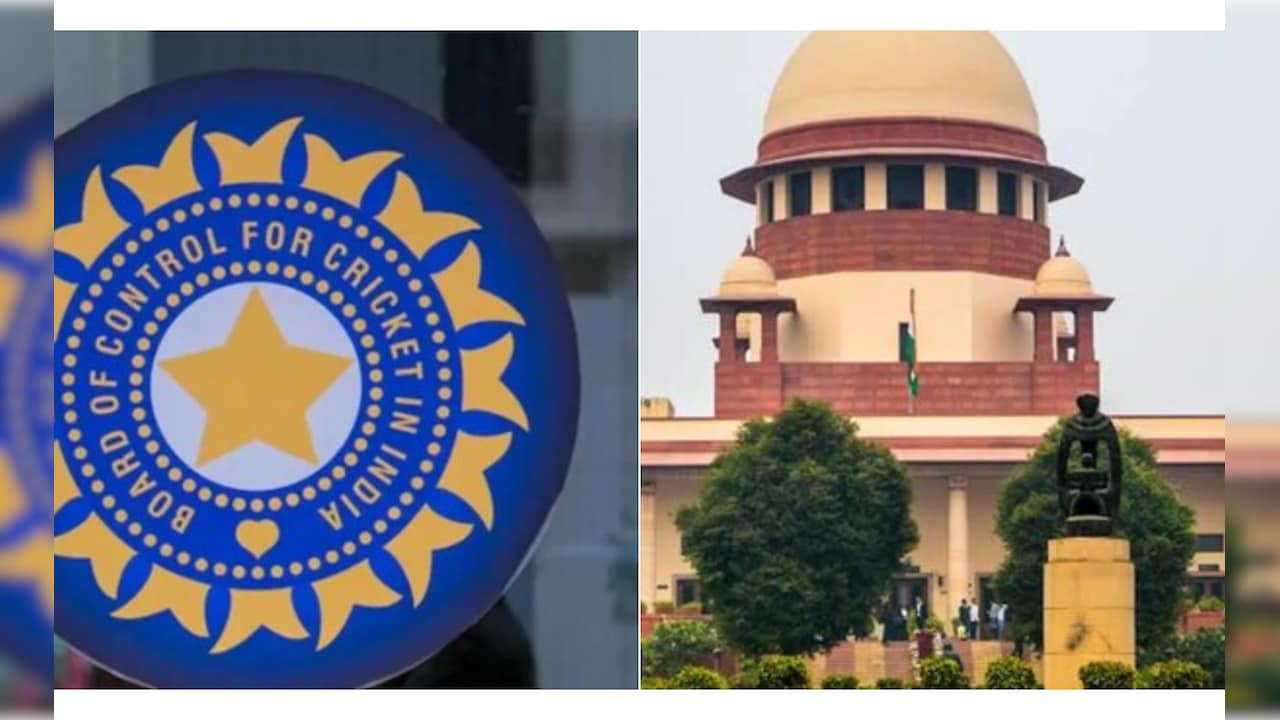
The Supreme Court of India has intensified its scrutiny of the BCCI and various state associations regarding their adherence to new sports governance laws. This development marks a critical juncture in a legal battle that has spanned nearly a decade.
- Supreme Court bench led by CJI Surya Kant questioned BCCI's governance structure.
- The court is examining the application of the new Sports Governance Law on cricket bodies.
- Legal proceedings regarding BCCI's administration have been ongoing since 2014.
In a significant legal development, a bench comprising Chief Justice Surya Kant, Justice Joymalya Bagchi, and Justice V Mohana has expressed serious concerns regarding the governance frameworks of the Board of Control for Cricket in India (BCCI) and its affiliated state associations. During the hearing on Tuesday, the court grilled the representatives of these cricket bodies over their alignment with the newly proposed sports governance laws.
The proceedings center around several applications filed by various cricket bodies seeking clarity or exemptions. However, the court's tone suggests a low tolerance for administrative opacity. The core of the issue lies in whether the BCCI, which enjoys immense autonomy, should be subject to the same stringent transparency and accountability standards as other national sports federations under the new legal regime.
Why This Matters
BozokMedia analysis shows that this judicial intervention is not merely about administrative paperwork but is a fundamental challenge to the 'private club' mentality that the BCCI has historically maintained. By enforcing the new sports governance law, the judiciary aims to democratize sports administration in India, ensuring that merit and transparency override nepotism and political influence.
The intersection of judicial oversight and sports autonomy often creates a friction point that eventually leads to systemic reform in Indian athletics.
Historically, the BCCI has fought numerous battles to protect its status as a private entity to avoid the purview of the Right to Information (RTI) Act and other government regulations. However, since 2014, the Supreme Court has been consistently monitoring the body, most notably through the Lodha Committee recommendations which sought to overhaul the board's structure, including tenure caps and conflict-of-interest rules.
The current scrutiny is expected to determine if the state associations are merely rubber stamps for the central board or if they possess genuine autonomy. The court is particularly interested in how the new law will impact the election processes and the financial transparency of these associations across different states.
Frequently Asked Questions
Q1: What is the main issue the Supreme Court is addressing?
The court is examining whether the BCCI and state associations are complying with the new laws governing sports administration in India.
Q2: How long has this legal matter been pending?
The Supreme Court has been dealing with various pleas and applications concerning the BCCI's governance since 2014.