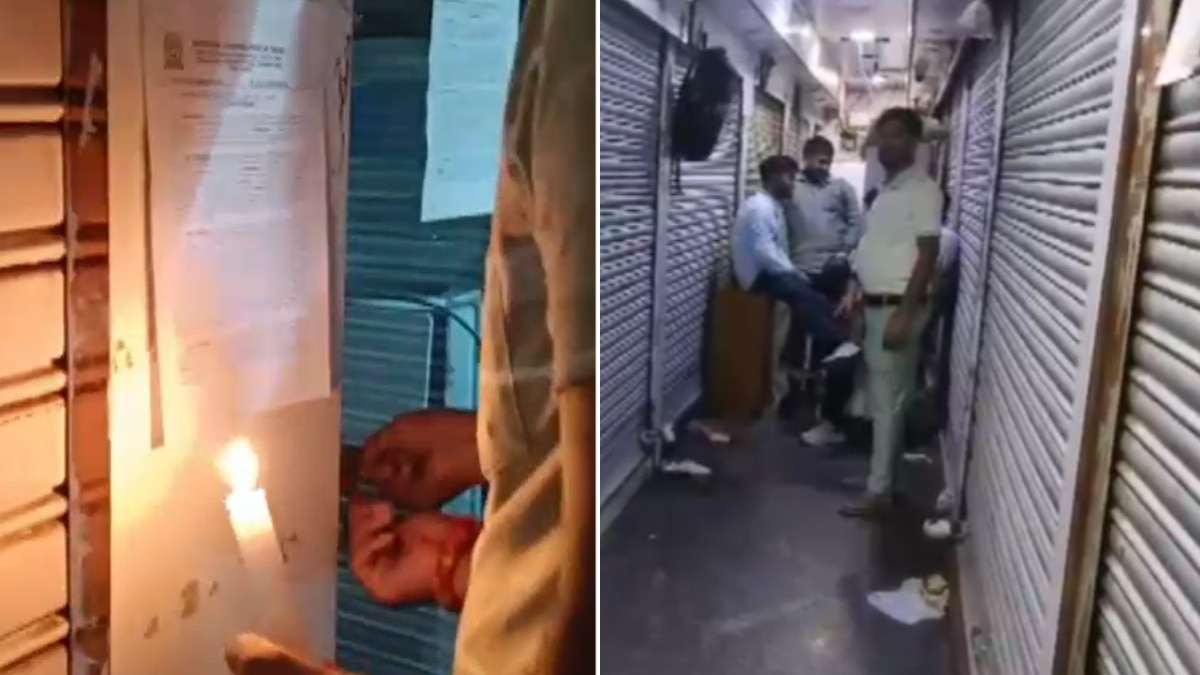
Authorities have sealed 54 jewellery stores in Delhi's iconic Chandni Chowk market following the discovery of unauthorised basement usage. The move aims to curb illegal constructions and enhance public safety in the congested hub.
- 54 jewellery shops in Chandni Chowk sealed by civic authorities.
- Action taken due to unauthorised commercial use of basements.
- Focus on enforcing fire safety norms and building bylaws.
In a massive enforcement drive, civic authorities in Delhi have sealed 54 jewellery shops in the bustling Chandni Chowk market. The crackdown follows an inspection which revealed that a significant number of traders had illegally converted their basements into commercial spaces without obtaining the requisite permissions from the Municipal Corporation of Delhi (MCD).
The operation was launched after reports surfaced regarding the blatant disregard for building bylaws. The narrow lanes of Chandni Chowk are already prone to congestion, and the addition of unauthorised subterranean levels increases the risk of structural collapse and complicates emergency rescue operations.
Why This Matters
BozokMedia analysis shows that this operation is part of a broader strategy to declutter Delhi's heritage markets. By targeting high-value businesses like jewellery shops, the administration is sending a clear signal that no commercial entity is above the law, regardless of their economic influence in the region.
"The systemic failure to regulate basement constructions in old Delhi has created a ticking time bomb for urban disasters."
Historically, Chandni Chowk has struggled with unplanned growth. As the demand for retail space surged, many shop owners opted for vertical and downward expansion without structural audits. This has led to frequent clashes between the MCD and trade associations over the legality of such modifications.
Frequently Asked Questions
Q1: Why were the shops sealed specifically for basement use?
A: Using basements for commercial purposes without approved blueprints is illegal and poses severe fire safety and structural risks.
Q2: What is the process for these shops to reopen?
A: Owners must apply for regularization, pay the necessary penalties, and prove that the construction meets current safety standards.