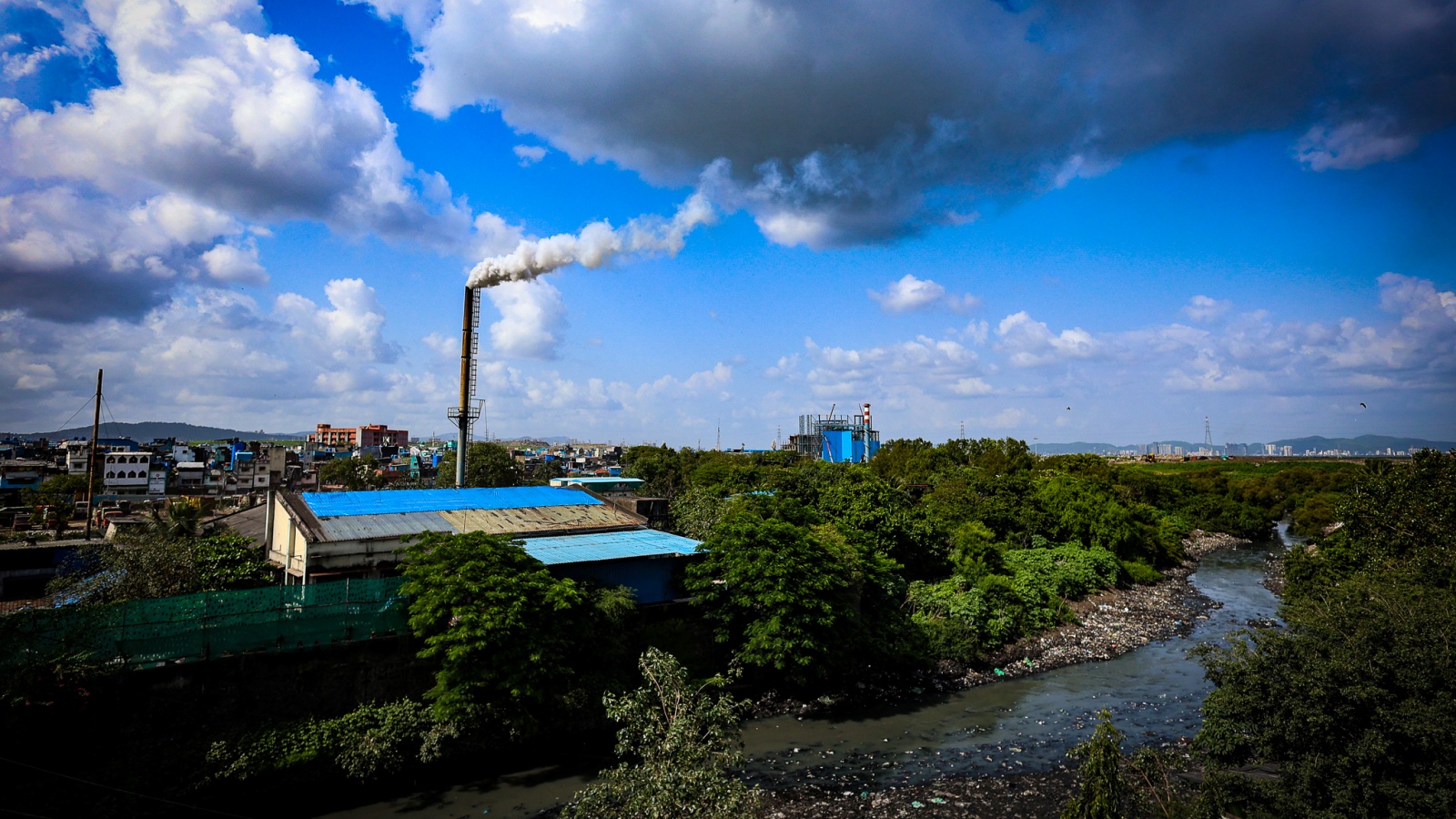
As the monsoon winds down, the Brihanmumbai Municipal Corporation (BMC) has partnered with ARAI to map pollution hotspots across the Mumbai Metropolitan Region to build a high-tech early warning system.
- BMC and ARAI are developing a high-resolution pollution emission inventory for the entire MMR.
- The project aims to create an Air Quality Early Warning System (AQEWS) and Decision Support System (DSS).
- The study will span over a year to analyze seasonal emission shifts across summer, winter, and monsoon.
As Mumbai prepares for the withdrawal of the monsoon, the city faces a recurring seasonal dread: the rapid deterioration of air quality. To combat this, the Brihanmumbai Municipal Corporation (BMC), in collaboration with the Automotive Research Association of India (ARAI), has initiated extensive field research to develop a high-resolution inventory of pollution emissions across the Mumbai Metropolitan Region (MMR).
Unlike previous efforts, this study is not limited to the city limits of Mumbai. It extends to Navi Mumbai and Thane, recognizing that these cities share a common 'airshed.' This means pollutants from one geographic area can quickly disperse into another, making a regional approach essential for any effective mitigation strategy.
Why This Matters
BozokMedia analysis shows that Mumbai's pollution profile has shifted significantly over the last four years. While previous data from 2019 pointed to residential fuel and vehicular transport as primary culprits, the current urban sprawl and infrastructure projects have likely introduced new emission sources. By implementing an air-shed based approach, the BMC is moving from reactive management to a predictive model.
The data collected—including precise vehicle counts and residential fuel usage—will feed into the Air Quality Early Warning System (AQEWS) and the Decision Support System (DSS). These systems are being developed by the Indian Institute of Tropical Meteorology (IITM) in Pune to provide real-time alerts and data-driven policy decisions.
"Our atmosphere is dynamic, and sources of pollution are fast evolving; identifying at-grade level sources is critical for a fresh mitigation plan."
To ensure the data is comprehensive, the research will be conducted over a full year. This allows the BMC to understand how emission patterns fluctuate between the humid monsoon, the scorching summer, and the stagnant air of winter, which typically sees the highest pollution spikes in Indian metros.
| Feature | 2019 Study | Current 2025-26 Study |
|---|---|---|
| Scope | Mumbai City Only | Full MMR (Mumbai, Navi Mumbai, Thane) |
| Approach | Sectoral Analysis | Air-shed Based Approach |
| Goal | Identify GHG Sources | Early Warning System (AQEWS) |
Frequently Asked Questions
Q1: What is the AQEWS?
The Air Quality Early Warning System is a predictive tool designed to alert authorities and citizens about deteriorating air quality before it reaches hazardous levels.
Q2: Who are the primary partners in this research?
The BMC is working with the Automotive Research Association of India (ARAI) for data collection and the Indian Institute of Tropical Meteorology (IITM) for system development.