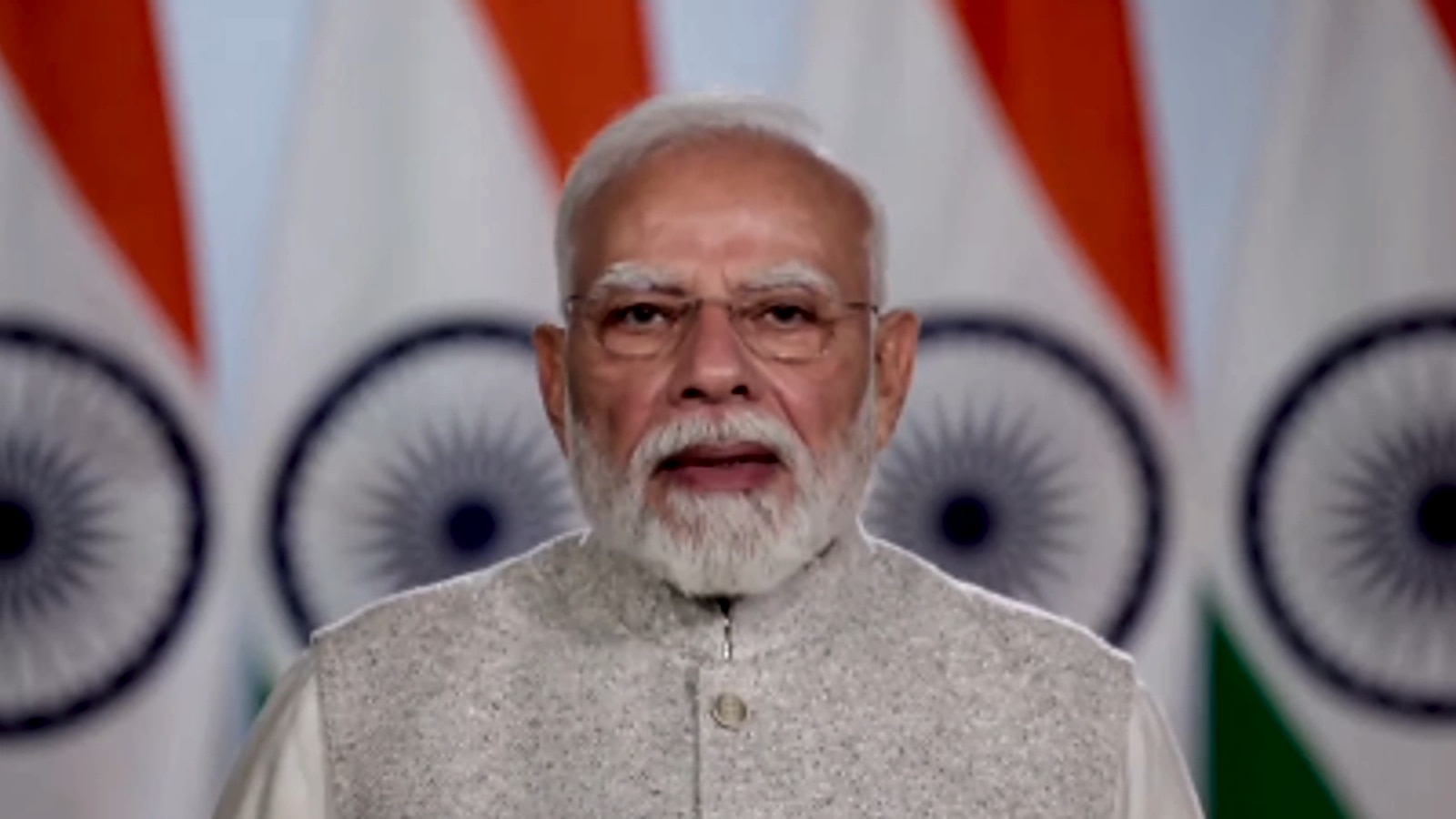
Former G20 Sherpa Amitabh Kant highlights India's strategic balancing act amid global conflicts and protectionism, aiming for a $30 trillion economy by 2047.
- BRICS represents nearly 49% of the global population and 40% of global GDP.
- India aims to become a $30+ trillion economy by 2047 under the 'Viksit Bharat' vision.
- Supply chain disruptions and rising protectionism are critical global hurdles.
Speaking at the Aaj Tak India Today Global event, former G20 Sherpa Amitabh Kant provided a deep dive into the complexities surrounding the current BRICS summit. He noted that the gathering occurs at a precarious moment in history, characterized by intense conflicts in Europe and West Asia. These geopolitical tensions have triggered systemic supply chain breakdowns and a worrying rise in protectionist trade policies worldwide.
Kant emphasized the sheer scale of the BRICS bloc, which now encompasses approximately 48 to 49 percent of the world's population and nearly 40 percent of the global GDP. Because of this immense economic weight, achieving a consensus within the group is no longer optional but vital for global macroeconomic stability.
Why This Matters
BozokMedia analysis shows that India's approach is one of 'strategic autonomy.' By refusing to align strictly with any single power bloc, India is insulating its economic growth from external shocks. The transition from fossil fuel dependency to clean energy adoption, while maintaining trade with diverse partners, demonstrates a calculated risk-management strategy essential for reaching the $30 trillion milestone.
"BRICS is a very important informal grouping that must avoid taking an anti-West stance while fostering Global South technology cooperation with China."
Under the 'Viksit Bharat 2047' framework, India is aggressively pursuing a multi-aligned policy. This involves expanding exports, empowering women entrepreneurs, and leveraging technology. Kant suggested that while cooperation with China on technology for the Global South is beneficial, it must be handled with strategic caution.
Historically, BRICS was conceived as a way for emerging economies to challenge the hegemony of Western-centric financial systems. Today, as the world shifts toward a multipolar order, the group serves as a critical platform for negotiating new trade norms and financial architectures that are more inclusive of the developing world.
Frequently Asked Questions
Q1: What is the economic significance of the BRICS bloc?
A: BRICS accounts for roughly 40% of the global GDP and nearly half of the world's total population.
Q2: What is India's economic target for 2047?
A: India aims to evolve into a developed nation (Viksit Bharat) with an economy exceeding $30 trillion by 2047.