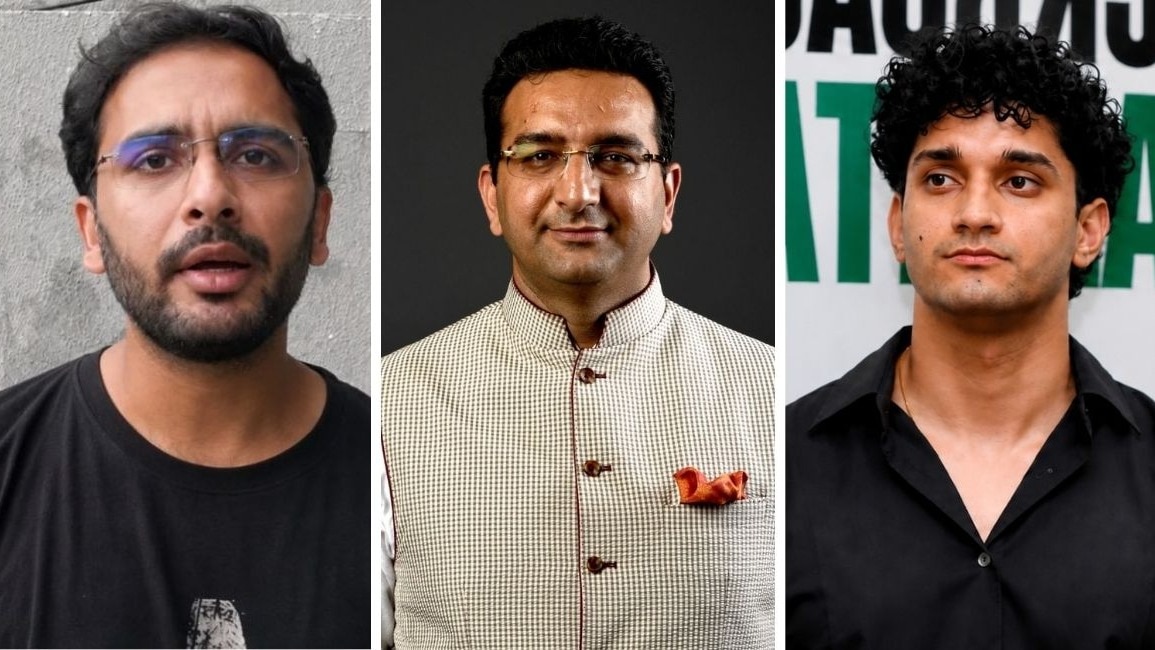
Following a stern observation by the Delhi High Court, Cockroach Janata Party (CJP) leaders Saurav Das and Ashutosh Ranka have agreed to remove AI-generated fake posts targeting BJP leader Gaurav Bhatia. The court emphasized that attacking individuals without verification is unacceptable.
- Saurav Das and Ashutosh Ranka agree to remove controversial posts against Gaurav Bhatia.
- Gaurav Bhatia filed a defamation suit seeking ₹2 crore in damages.
- The court expressed strong disapproval of AI-generated fake content and lack of verification.
- Justice Tushar Rao Gedela advised young activists to maintain restraint in expression.
New Delhi: In a significant hearing regarding digital ethics and accountability, the Delhi High Court has urged Cockroach Janata Party (CJP) leaders Saurav Das and Ashutosh Ranka to reconsider and remove social media posts targeting BJP leader and senior advocate Gaurav Bhatia. The court observed that while dissent is a democratic right, launching attacks without proper verification is legally and ethically unsustainable.
The legal battle stems from posts shared on X (formerly Twitter) on September 5. Gaurav Bhatia alleged that the posts utilized Artificial Intelligence (AI) to create a fraudulent image and attributed false statements to him. According to the petition, the content misleadingly suggested that Bhatia had called Swatantra Bhardwaj a 'mental Naxalite' and 'casteist,' following Bhardwaj's arrest in a separate incident involving a CJP protester.
Why This Matters
BozokMedia analysis suggests that this case serves as a landmark warning against the weaponization of 'Deepfakes' and AI-generated misinformation in political discourse. When technology is used to fabricate lies rather than highlight facts, it erodes the foundation of public trust. This judicial stance reinforces that the 'Right to Freedom of Speech' is not a blanket license for character assassination or the spread of synthetic misinformation.
During the proceedings, Justice Tushar Rao Gedela noted that the respondents are young individuals with promising futures and questioned why they wished to spend their time in court over avoidable disputes. The court emphasized that freedom of expression must be balanced with sobriety and clarity to prevent unnecessary litigation.
"The use of AI to orchestrate character assassination is not political activism; it is a sophisticated digital crime that demands strict judicial scrutiny."p>
The defense for CJP's Abhijit Dipke argued that since his client did not author the posts, he should be removed from the proceedings. Conversely, Gaurav Bhatia contended that this was not an isolated incident but part of a larger, coordinated effort to dismantle his professional reputation through a digital machinery of hate.
Frequently Asked Questions
1. What is the monetary claim in Gaurav Bhatia's lawsuit?
Gaurav Bhatia has filed a defamation petition seeking damages worth ₹2 crore.
2. What was the court's view on the use of AI in this case?
The court stated that attacking someone using AI-generated content without verification is improper and urged the immediate removal of such posts.