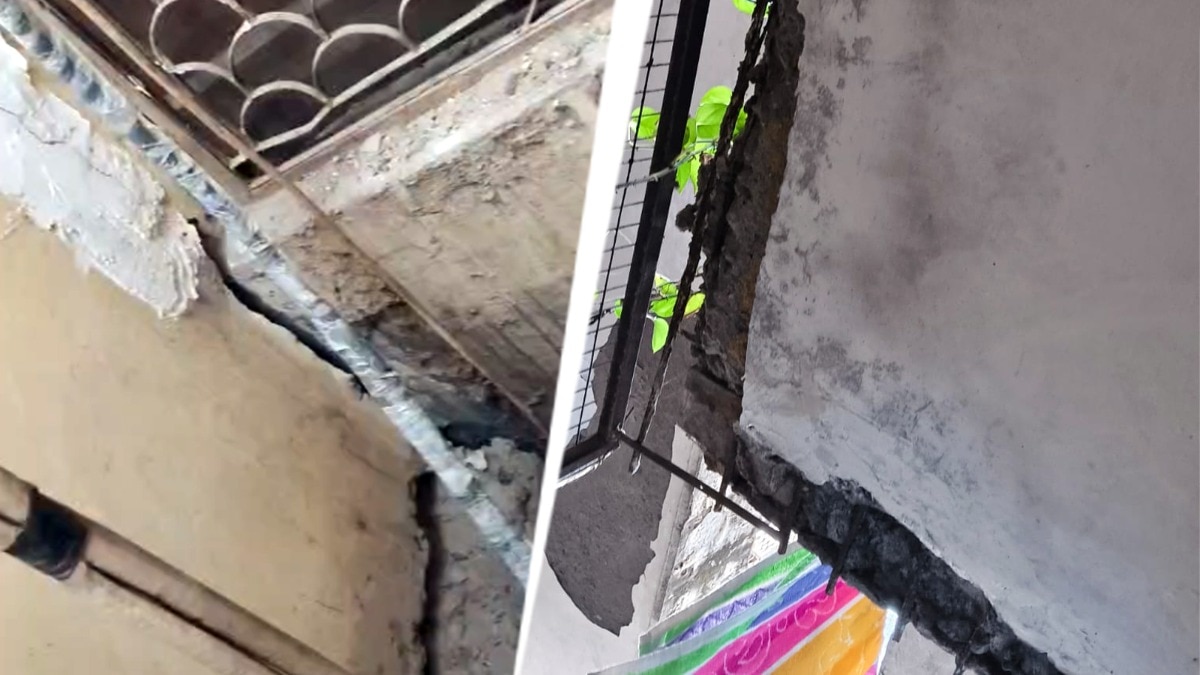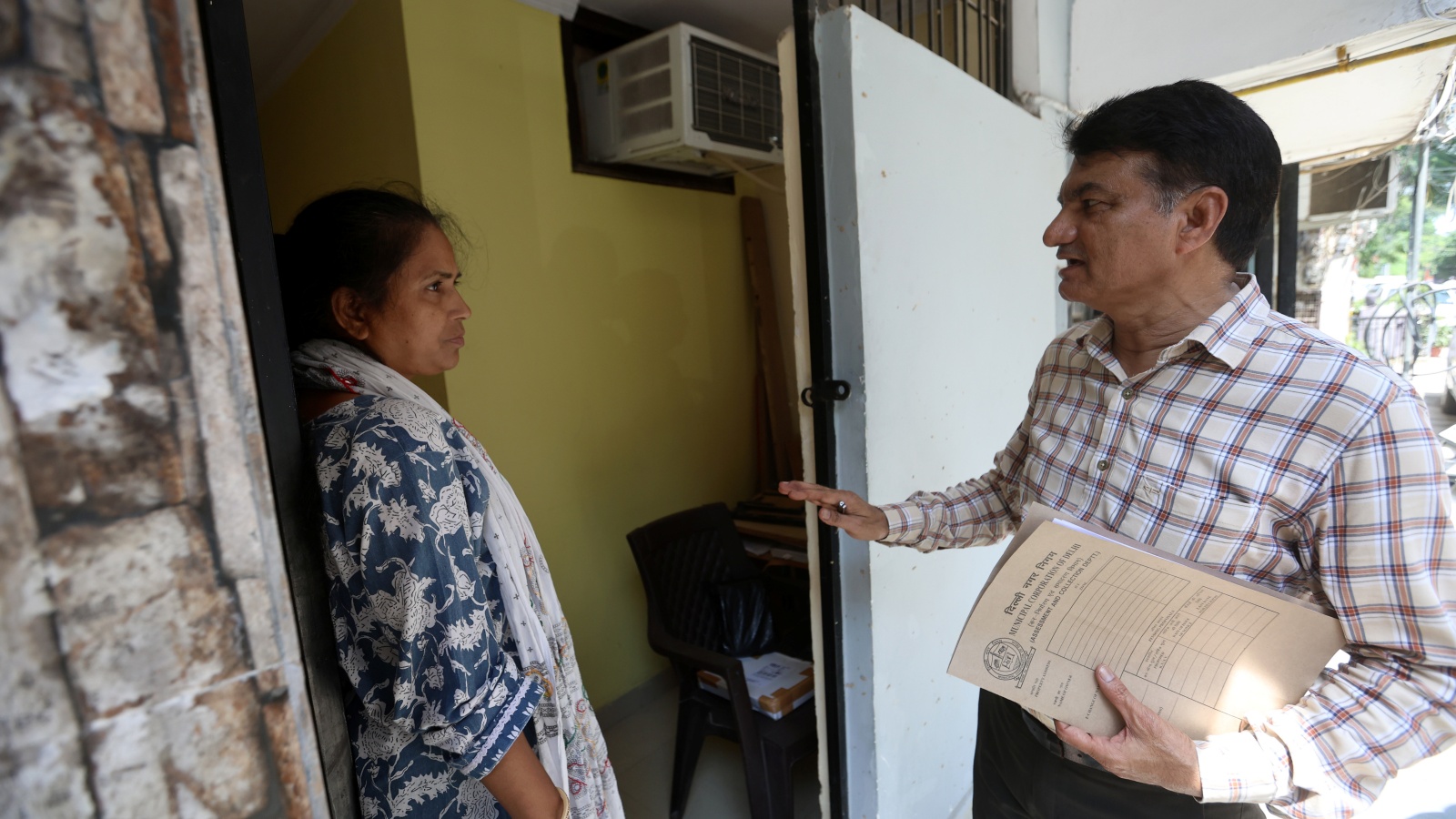
Following the tragic building collapse in Satya Niketan, the Municipal Corporation of Delhi (MCD) has launched a massive crackdown on unauthorized constructions, demolishing 58 buildings and auditing thousands of PG accommodations.
- MCD has demolished 58 buildings and sealed 24 properties since the Satya Niketan tragedy.
- Orders have been issued for the demolition of 31 additional unauthorized structures.
- A city-wide survey of 1,252 PG accommodations is underway to ensure occupant safety.
- Enforcement drives are active across all 12 zones of Delhi to curb Master Plan violations.
In a decisive move to curb urban instability, the Municipal Corporation of Delhi (MCD) has intensified its enforcement drive against unauthorized construction and misuse of properties. This surge in activity follows the devastating building collapse in Satya Niketan, which sparked widespread alarm over the safety of student housing in the capital.
On Wednesday alone, the civic body executed 34 demolition actions and sealed 17 properties, including the Vardhman Mall in Civil Lines. The operations spanned all 12 zones, with the Narela Zone recording the highest number of demolitions. Other high-activity areas included the South and Central zones, where structural violations were rampant. The MCD is specifically targeting RCC roof slab panels and illegal floor additions that compromise the integrity of the buildings.
Why This Matters
BozokMedia analysis shows that the proliferation of illegal floors in student hubs like Satya Niketan is a direct result of the demand-supply gap in affordable housing. When commercial greed outweighs safety norms, the result is often structural failure. The current MCD crackdown is a necessary correction, but it highlights a systemic failure in monitoring building bye-laws for years.
"The transition from a residential structure to a high-density PG often involves removing load-bearing walls, which is a recipe for disaster in Delhi's seismic zone."
To prevent further tragedies, the MCD has implemented a rigorous categorization system for existing buildings. Structures are now labeled as "Visibly Safe", "Visibly Repairable – Needs Minor Repairs", "Visibly Repairable – Needs Major Repairs", and "Visibly Vulnerable/Dangerous". Priority is being given to RCC-framed structures exceeding five storeys and load-bearing brick buildings with four storeys.
The scale of the current crackdown is immense. Between June 1 and September 9, the MCD has demolished a total of 1,053 properties and served over 2,300 show-cause notices. The ongoing survey of paying guest (PG) accommodations has already covered 1,252 buildings housing approximately 24,000 occupants, identifying several as dangerous.
| Metric | Post-Satya Niketan Action | Overall (June 1 - Sept 9) |
|---|---|---|
| Buildings Demolished | 58 | 1,053 |
| Properties Sealed | 24 | 491 |
| Demolition Orders | 31 | 757 |
Frequently Asked Questions
1. Which types of buildings are most at risk according to the MCD?
Buildings with more than five storeys of RCC-framed structures or four storeys with load-bearing brick walls are considered most vulnerable.
2. What is the purpose of the PG accommodation survey?
The survey aims to create a comprehensive database of PG housing to identify buildings requiring urgent repairs or demolition to protect thousands of students and workers.