The Supreme Court of India has dismissed a petition challenging the government's HPV vaccination drive for adolescent girls, affirming that existing compensation rules apply to vaccination errors.
- Supreme Court dismissed a PIL challenging the HPV vaccination campaign for teenage girls.
- The bench warned against attempts to derail critical public health initiatives.
- Confirmed that standard compensation rules apply in cases of incorrect vaccination.
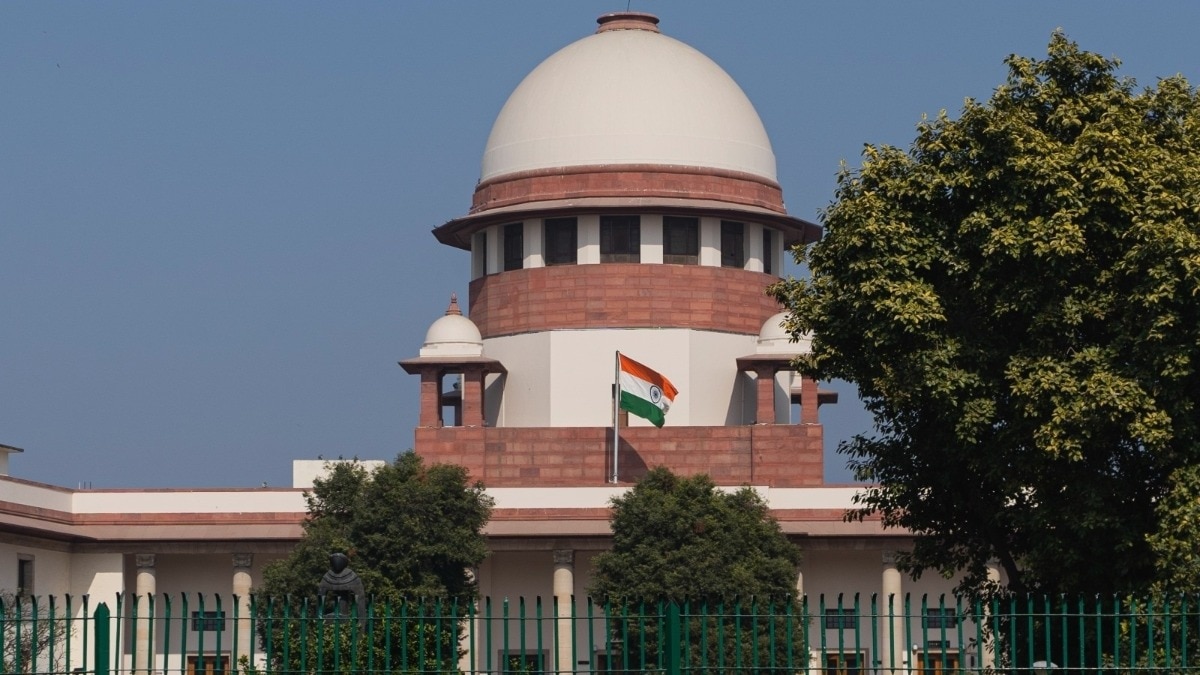
New Delhi: In a significant ruling, the Supreme Court on Thursday refused to entertain a petition that raised concerns over the government-run nationwide Human Papillomavirus (HPV) vaccination campaign. The initiative, aimed at preventing cervical cancer among adolescent girls, was defended by the court against attempts to obstruct its implementation.
A bench comprising Chief Justice of India Surya Kant, Justice Joymalya Bagchi, and Justice V Mohana heard the plea filed by the Universal Health Organisation. The petitioner challenged the manner in which the program was being executed. However, the court viewed the plea with skepticism, stating it lacked bona fide intentions and seemed to be driven by ulterior motives.
Why This Matters
BozokMedia analysis shows that this judicial refusal prevents a potential public health crisis. By dismissing the plea, the court has ensured that the momentum of a life-saving campaign is not lost to protracted legal battles. In a country where cervical cancer remains a silent killer, the HPV vaccine represents the most effective tool for eradication, and any delay in its rollout could lead to avoidable fatalities.
The judiciary's refusal to entertain unfounded challenges to mass immunization reflects a global trend of prioritizing collective immunity over procedural grievances.
During the proceedings, the bench expressed strong disapproval, stating, "Don't ask us to make harsh observations. If petitioner members are doctors, it's a very, very serious issue. It's a question of the health of millions of our daughters. And you want to derail this." While the petitioner's counsel argued that they were not 'anti-vaccine' but were concerned about the lack of a dedicated adverse event monitoring and compensation mechanism, the court maintained that ordinary compensation rules are sufficient.
Historical Background: The nationwide HPV vaccination campaign was launched by Prime Minister Narendra Modi on February 28 in Ajmer, Rajasthan. The program targets 14-year-old girls using a single dose of the Gardasil 4 vaccine. This quadrivalent vaccine protects against HPV types 16 and 18 (the primary causes of cervical cancer) as well as types 6 and 11.
| Feature | Details |
|---|---|
| Target Demographic | 14-year-old girls |
| Vaccine Used | Gardasil 4 (Single Dose) |
| Primary Goal | Prevention of Cervical Cancer |
| Legal Standing | Upheld by Supreme Court |
Frequently Asked Questions
1. What is the purpose of the HPV vaccine campaign?
It aims to protect adolescent girls from the Human Papillomavirus, which is the leading cause of cervical cancer.
2. What happens in case of an adverse reaction to the vaccine?
The Supreme Court has clarified that the standard government rules for compensation in cases of incorrect vaccination or adverse events will apply.