Despite the end of the peak summer heat, Kerala is grappling with unexpected power shortages. A combination of poor monsoons, declining reservoir levels, and rising nighttime demand is driving the crisis.
- Kerala's average daily power demand surged to 5,000 MW in September 2026, up from 3,794 MW in 2025.
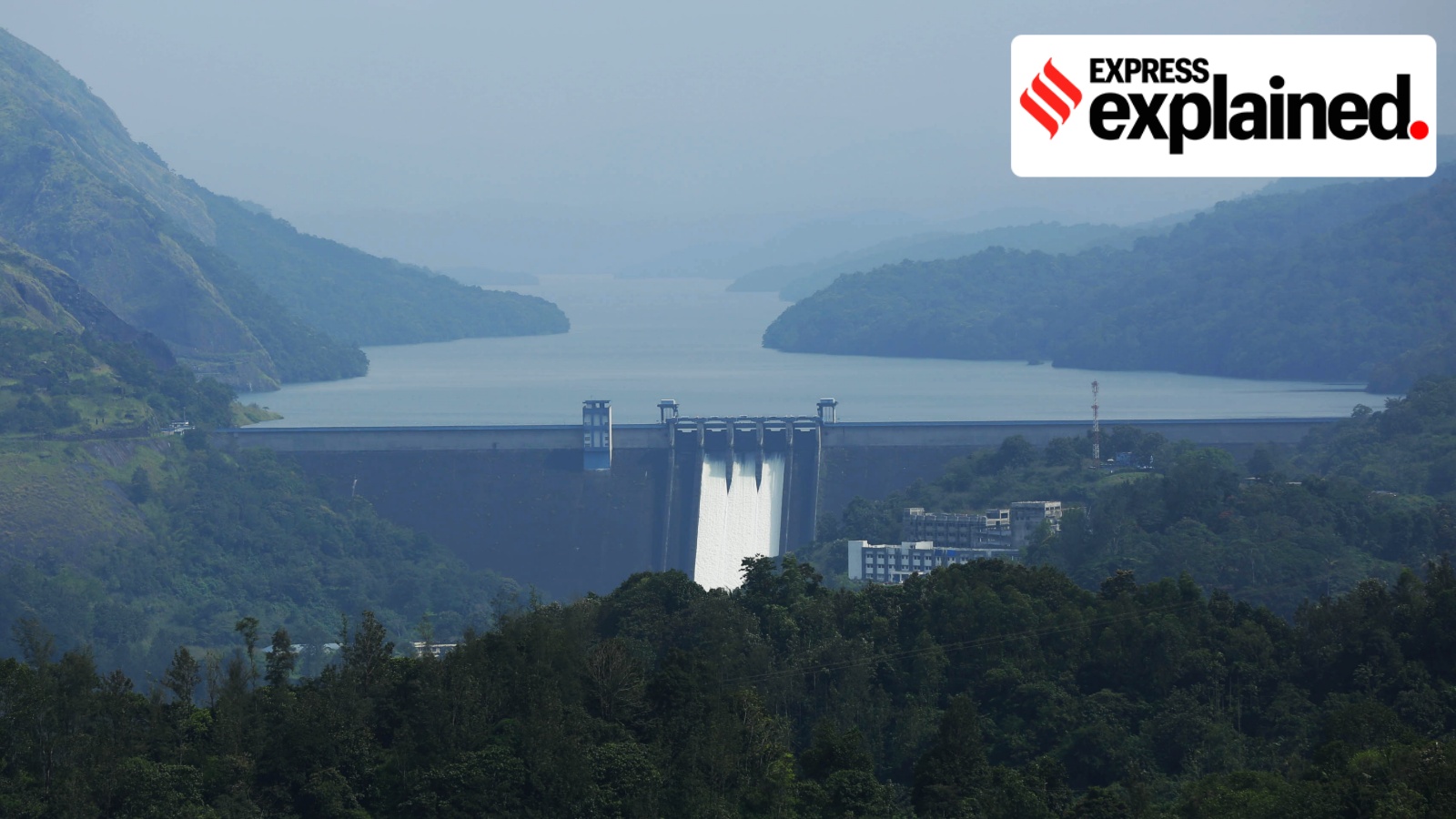
- The Idukki reservoir, crucial for hydro power, is facing a massive 47% water deficit.
- While Kerala leads in rooftop solar, the lack of Battery Energy Storage Systems (BESS) prevents meeting nighttime demand.
- Unusual temperature rises and EV charging patterns are driving up demand after midnight.
With the southwest monsoon nearing its withdrawal, Kerala finds itself in an unusual energy crunch. Although the peak summer heat has subsided, several regions across the state are experiencing scheduled nighttime power cuts. The Kerala State Electricity Board (KSEB) has implemented power restrictions lasting between 30 minutes to an hour to manage the surge in peak-hour demand.
The Demand-Supply Mismatch
According to KSEB data, the state's average daily demand for September 2026 has climbed to 5,000 MW, compared to 3,794 MW in the same period last year. However, the available supply is hovering around 4,200 MW, creating a significant deficit.
A critical factor in this crisis is Kerala's reliance on external sources. The state generates only about 25% of its own power through hydel, solar, and wind sources. In stark contrast, neighboring states like Andhra Pradesh meet 86% of their demand through internal generation. While Kerala is a national leader in rooftop solar adoption—with over 2.5 GW installed capacity—this energy is primarily generated during the day. Without operational large-scale Battery Energy Storage Systems (BESS), this solar surplus cannot be utilized to meet the state's heavy nighttime domestic demand.
Why This Matters
BozokMedia analysis shows that Kerala is facing a structural energy challenge. The state has successfully incentivized renewable generation, but has failed to invest synchronously in storage infrastructure, leaving it vulnerable to shifts in consumption patterns.
The crisis in Kerala is not a lack of renewable potential, but a lack of the technological infrastructure required to store it for nighttime use.
Monsoon Deficit and Hydroelectric Decline
The impact of the El Niño effect has been pronounced this year, leading to a weak southwest monsoon. Kerala has recorded a 26% deficit in seasonal rainfall as of mid-September. The situation is most dire in the Idukki district, which houses the state's largest hydroelectric reservoir; water levels there have plummeted by 47%.
As reservoir storage levels have dropped to 63.75% (compared to 80.29% last year), KSEB has been forced to throttle hydroelectric production to conserve water for the coming months. This reduction in hydro availability coincides with an unusual rise in temperatures, which has been up to 4 degrees Celsius above normal, driving increased air conditioner usage.
| State | Self-Sufficiency (%) | Energy Profile |
|---|---|---|
| Kerala | 25% | High Solar, Low Storage |
| Andhra Pradesh | 86% | High Self-Sufficiency |
| Karnataka | 60% | Stable Mix |
| Tamil Nadu | 50% | Diversified Sources |
Frequently Asked Questions
1. Why is there more power demand at night in Kerala?
About 75% of Kerala's connections are domestic, and nighttime usage spikes due to cooling needs and the charging of electric vehicles.
2. How does the monsoon affect electricity?
Low rainfall leads to lower water levels in dams, which directly reduces the ability to generate hydroelectric power.