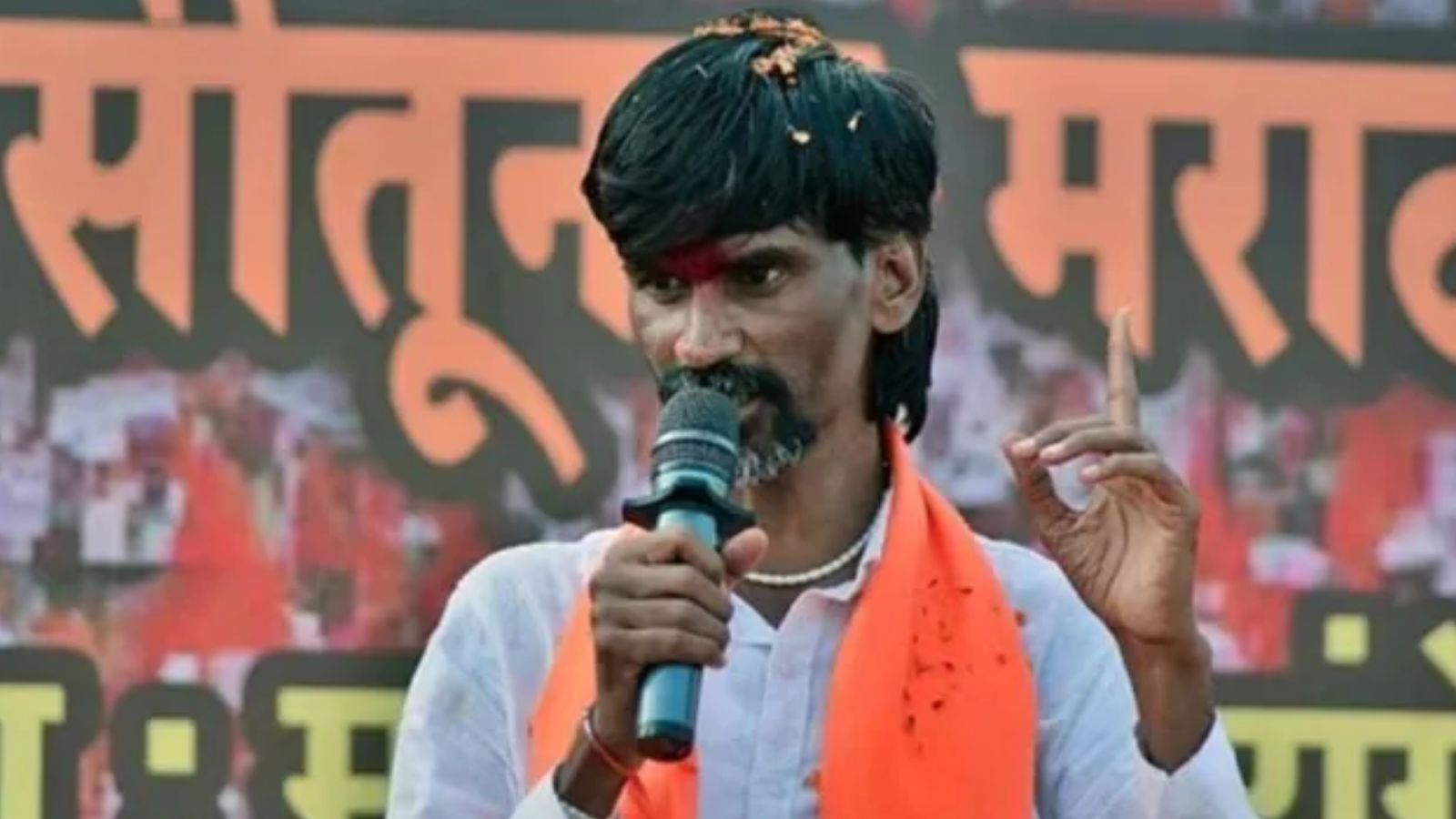
Mumbai Police have rejected Maratha activist Manoj Jarange Patil's request to hold an indefinite hunger strike at Azad Maidan, citing security concerns during the Ganesh festival. Despite the ban, Jarange Patil vows to proceed with his democratic protest.
- Mumbai Police denied permission for the hunger strike at Azad Maidan due to crowd management and Ganesh festival safety concerns.
- Maratha activist Manoj Jarange Patil plans to march from Antarwali-Sarati on September 15.
- The protest is scheduled to begin in Mumbai on September 19.
- Jarange Patil has alleged a conspiracy to target his life during the march.
In a significant development for the Maratha reservation movement, the Mumbai Police have officially denied permission to activist Manoj Jarange Patil to conduct an indefinite hunger strike at Azad Maidan. The authorities cited several critical concerns, including the massive influx of devotees during the upcoming Ganesh festival, potential traffic disruptions, and the overall challenge of crowd management in the metropolis.
Despite the administrative setback, Jarange Patil remains undeterred. He has reaffirmed his commitment to the cause, stating that the protest will proceed democratically. "We have decided to protest democratically on September 19. We will depart from Antarwali-Sarati on September 15 and will launch a peaceful indefinite hunger strike at Azad Maidan in Mumbai," the activist announced. Jarange Patil, who has been fasting for 16 days in the Jalna district, has notably refused medical intervention, including intravenous fluids.
Why This Matters
BozokMedia analysis shows that this standoff represents a growing friction between state administrative protocols and high-stakes social activism. As the Maharashtra government attempts to balance religious festivities with political stability, the Maratha quota issue remains a volatile variable that could trigger widespread unrest if not managed with extreme sensitivity.
The denial of permission creates a high-pressure situation where the activist's resolve meets the state's regulatory framework.
The police's decision is rooted in the Maharashtra Government’s 2025 rules governing public agitations. These stringent guidelines limit protest durations and mandate strict capacity limits—specifically a maximum of 5,000 people at Azad Maidan. The authorities emphasized that the massive influx of people during the festive period makes the city a target for anti-social elements, necessitating specialized surveillance and security protocols.
Adding a layer of intensity to the situation, Jarange Patil has raised serious allegations regarding his personal safety. He claimed that the ruling party might orchestrate a conspiracy to incite violence during the march. "There is a plot to shoot me during the march. They don’t want to kill the Marathas; they want to target me," he alleged, suggesting that infiltrators might attempt to disrupt the peaceful demonstration.
Frequently Asked Questions
Question 1: Why did the police reject the protest request?
Answer: The primary reasons cited were public safety, traffic management during the Ganesh festival, and compliance with the 2025 agitation rules.
Question 2: What is Manoj Jarange Patil's current health status?
Answer: He has been on a fast for 16 days and has refused all medical assistance, including IV fluids.