From navigating railway tracks to muddy trails, students in Maharashtra are leveraging social media to demand civic accountability and road repairs.
- Students across Maharashtra are using Instagram and mobile videos to highlight civic failures.
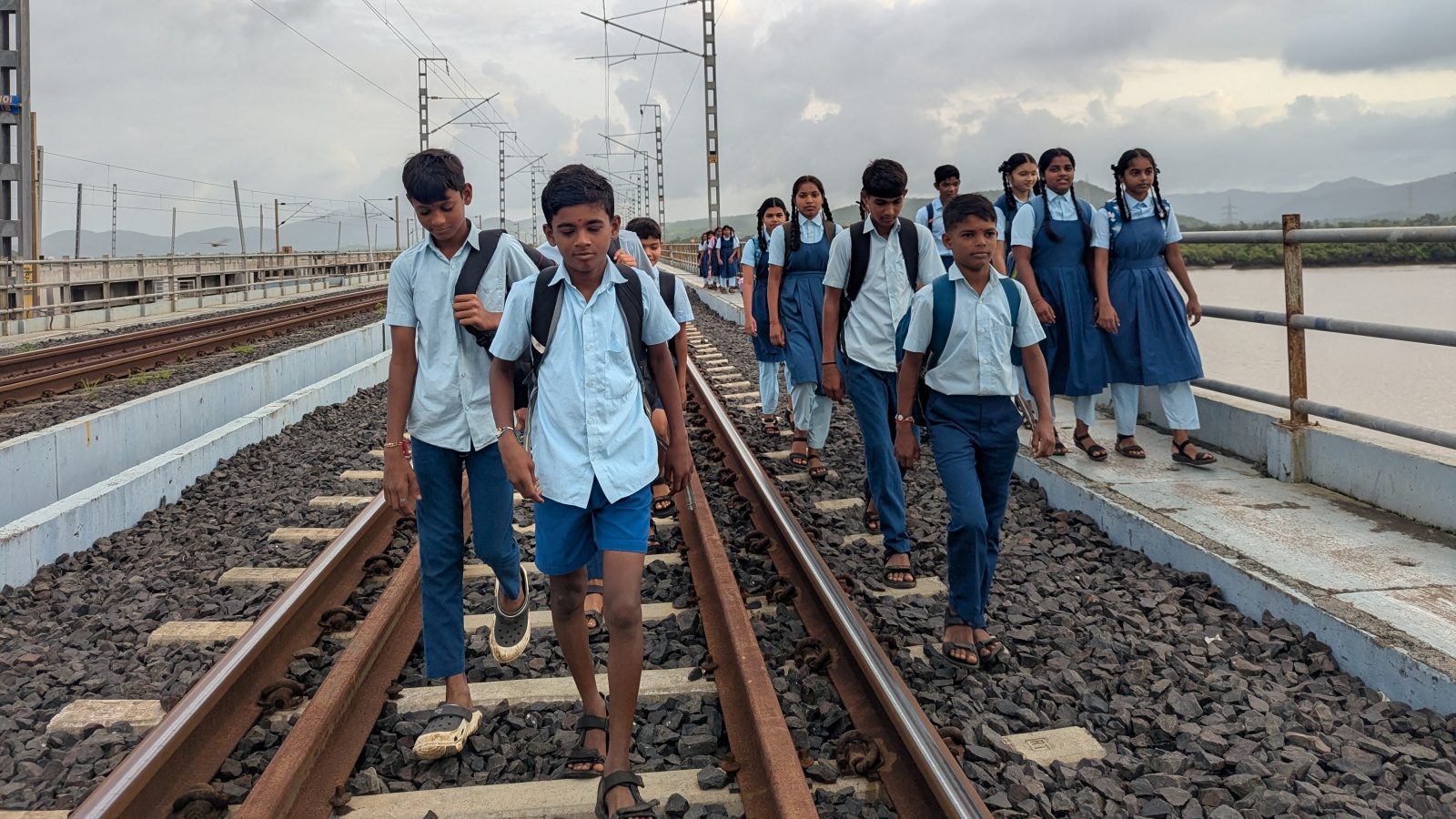
- In Palghar, children are forced to walk along railway tracks due to the lack of a permanent bridge.
- Mock news reporting by students has successfully drawn political attention in Nashik and Raigad.
- While some videos lead to immediate repairs, many infrastructure proposals remain stuck in bureaucracy.
For many schoolchildren in Maharashtra, the daily commute has transformed from a simple journey into a hazardous struggle against potholes, muddy trails, and dangerous railway tracks. However, a new trend is emerging: students are no longer waiting for official complaints to be heard; they are taking to social media to force civic issues onto the public agenda. Through mock news reports and direct appeals to leaders, these young citizens are turning viral moments into tools for accountability.
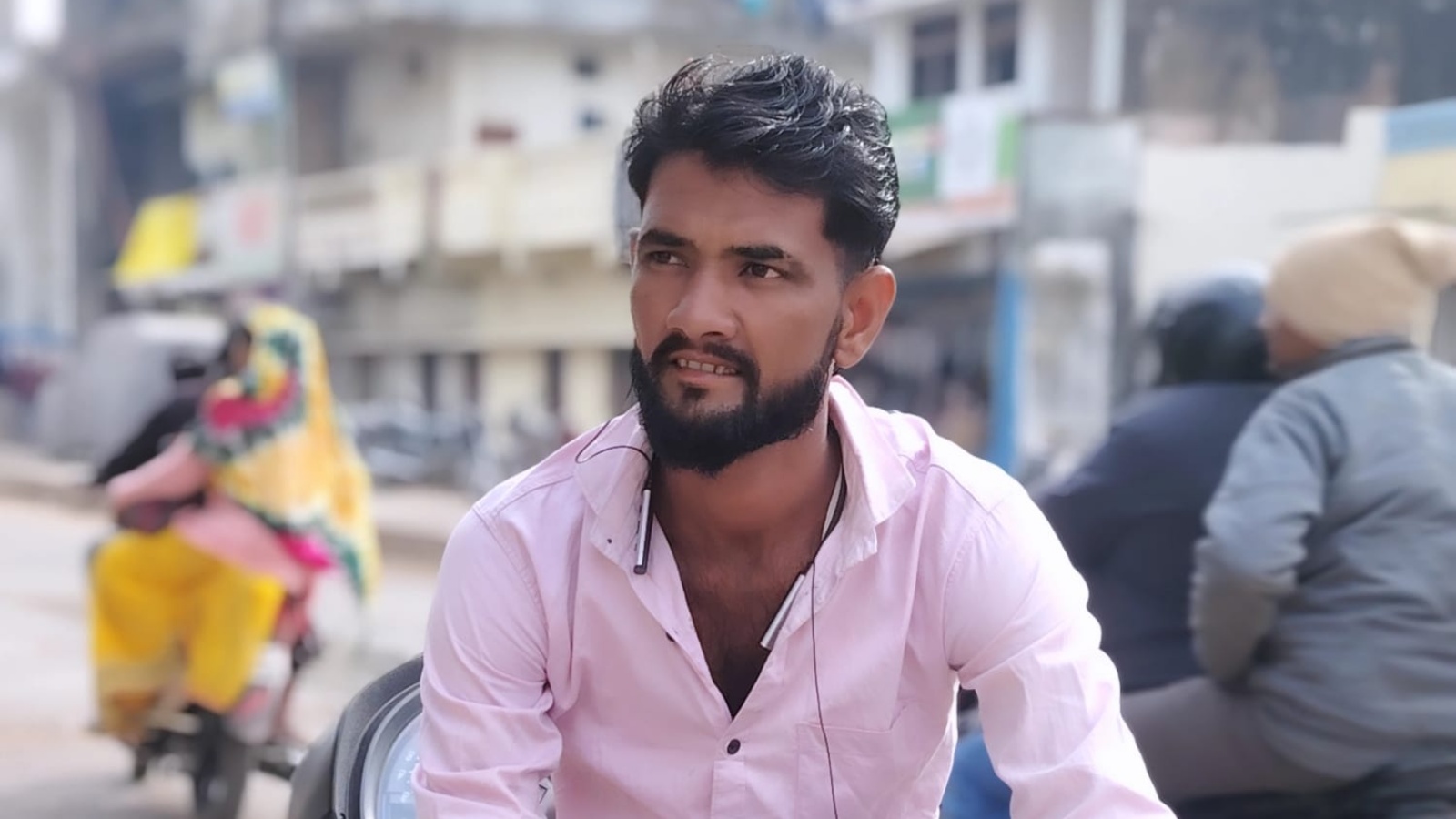
In the Palghar district, the situation in Wadhiv is particularly dire. Sixteen-year-old Sohil Sunil Chaudhary captured the harrowing reality in an Instagram video, showing classmates walking along railway tracks to reach school. By tagging Prime Minister Narendra Modi and Chief Minister Devendra Fadnavis, Sohil questioned why the 'future of the country' must risk their lives daily. Wadhiv remains an isolated pocket without a permanent road bridge, leaving residents dependent on hazardous pathways and private boats.
Why This Matters
BozokMedia analysis shows that this shift toward 'digital activism' represents a democratization of grievance redressal. When traditional bureaucratic channels fail to address long-standing issues, the youth are using the viral nature of social media to bypass red tape and trigger immediate political responses.
The transition from passive victims of poor infrastructure to active digital whistleblowers marks a significant shift in grassroots civic engagement.
In Nashik’s Trimbakeshwar taluka, eleven-year-old Smita Shid and ten-year-old Aditya Gohire took a creative approach. They staged a mock ground report documenting the muddy, slippery trails of Gohirewadi. The video went viral, eventually prompting a visit from opposition leader Aaditya Thackeray. Despite the attention, the road remains unfinished, leaving students to navigate thorns, snakes, and deep mud during the monsoon season.
Similarly, in Karjat, Raigad, three Class 10 students—Neha Ghare, Jyotsna Mukne, and Mansi Pawar—produced a professional-style news report on the state of local roads. Using an umbrella as a makeshift microphone, Neha highlighted the massive potholes that plague their commute. This creative protest worked; following the video's circulation, local MLA Mahendra Thorve announced that repair work had commenced.
Historical Background
The infrastructure crisis in areas like Wadhiv is not new. Villagers have been protesting since at least 2019, even taking demonstrations to Azad Maidan in Mumbai. For over 25 years, local schools have reported the dangers of children crossing railway tracks, yet a permanent bridge proposal of ₹25.95 crore is still awaiting final state government approval.
| Location | Primary Issue | Student Action | Outcome |
|---|---|---|---|
| Palghar (Wadhiv) | Railway track commuting | Viral appeal to PM/CM | ₹25.95 Cr bridge proposal pending |
| Nashik (Gohirewadi) | Muddy/Slippery trails | Mock news reporting | Political visit/Attention |
| Raigad (Karjat) | Severe potholes | Creative mock report | Repair work initiated |
Frequently Asked Questions
Question 1: Do these viral videos actually lead to road repairs?
Yes, in several instances like Karjat, the local administration responded and began work immediately after the videos went viral.
Question 2: What is the main danger for students in Palghar?
The lack of a permanent bridge forces students to walk on railway tracks, which is highly hazardous and restricted for public use.