On Sunday, Turkish authorities carried out a sweeping raid on LGBTQ+ and HIV support groups, arresting hundreds and blocking websites. Human rights organizations condemned the move as political repression.
- Turkish authorities launched a sweeping raid on LGBTQ+ and HIV support groups.
- Hundreds were arrested and organizational offices searched.
- Human‑rights groups condemned the move as political repression.
In the early morning of Sunday, police conducted simultaneous raids in major Turkish cities – Istanbul, Ankara, Izmir, Adiyaman, and Mersin.
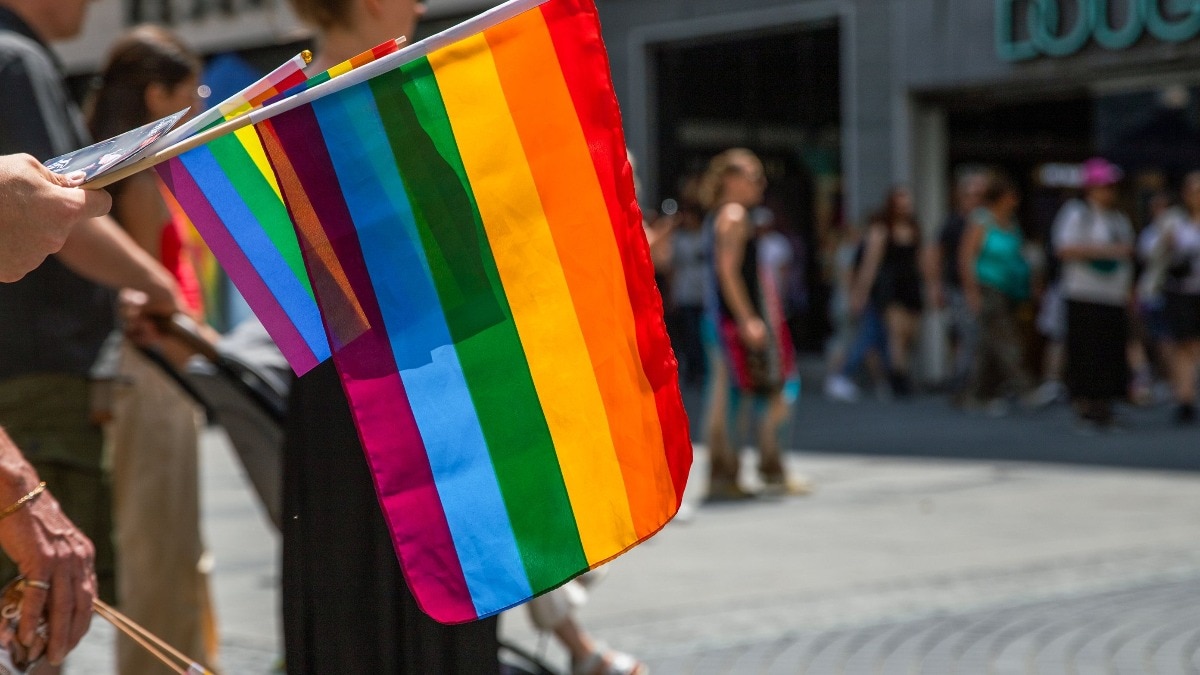
The targets were LGBTQ+ rights groups and HIV awareness organizations, which the government cited as threats to 'protect children and families.'
A total of 162 suspects, nine organizations, and 13 businesses were investigated, and many members were detained.
Minister Akın Gülerek invoked a ten‑year‑old executive order, asserting that the state’s duty is to 'protect families and children.'
The Human Rights Association called the raid a 'political campaign,' arguing that the aim is to eliminate LGBTQ+ communities and independent civil society.
Historically, the Ottoman Empire decriminalised homosexuality in 1858, yet social discrimination and legal inequalities persist today.
Internationally, the crackdown has drawn sharp criticism from Western governments and human‑rights NGOs, potentially impacting Turkey’s global standing.
Why This Matters
BozokMedia analysis shows that such crackdowns not only stifle dissent but also undermine Turkey’s commitments under international human‑rights treaties.
Such crackdowns silence LGBTQ+ voices and challenge global human‑rights norms.
Frequently Asked Questions
Q1: Does the Turkish government provide a legal basis for the crackdown on LGBTQ+ groups?
A1: The government cites a ten‑year‑old executive order, but its validity is contested amid international criticism.
Q2: Will this action affect HIV support organizations as well?
A2: Yes, many HIV awareness groups’ websites have been blocked, hindering information and aid delivery.