Residential Welfare Associations (RWAs) in Gurgaon are preparing to approach the HERC to protest against flawed billing software and heavy retrospective commercial penalties imposed by DHBVN.
- RWAs of societies along Dwarka Expressway will file a joint petition with the Haryana Electricity Regulatory Commission (HERC).
- The dispute centers on massive retrospective non-domestic (NDS) penalties and the failure of the Unified Billing Software.
- Residents are demanding direct connections from DHBVN to eliminate administrative burdens on RWAs.
Residents of various group housing societies located along the Dwarka Expressway in Gurgaon are gearing up for a legal battle. Following the Haryana Electricity Regulatory Commission (HERC) initiating suo motu proceedings into systemic non-compliance of electricity regulations, Resident Welfare Associations (RWAs) have expressed deep concerns regarding billing inaccuracies and heavy financial penalties.
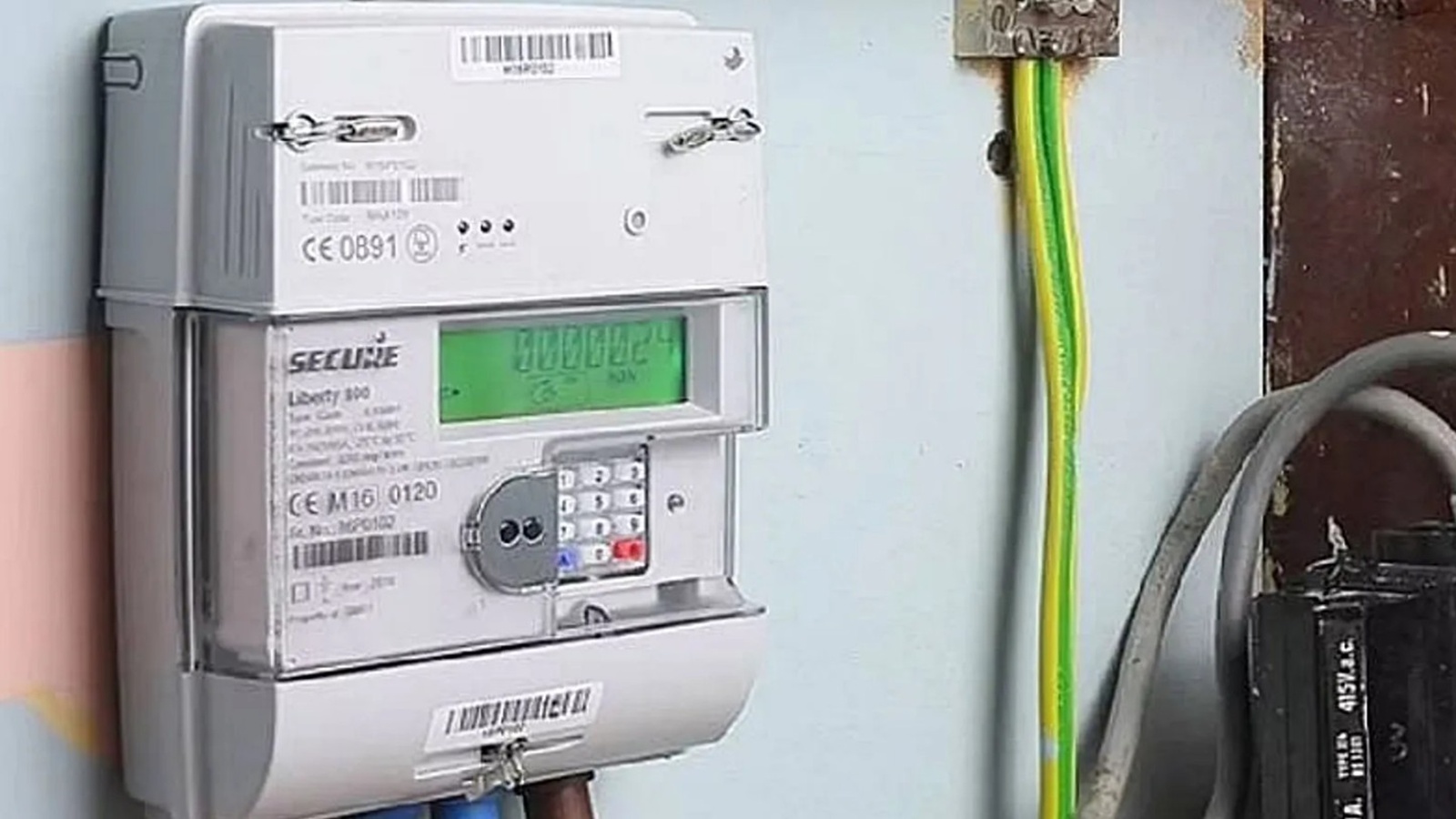
Under the current Single Point Supply (SPS) framework, Dakshin Haryana Bijli Vitran Nigam (DHBVN) provides bulk electricity to a housing society through a single primary meter. The responsibility for internal distribution, sub-meter reading, and individual billing then falls upon the RWA or the developer. This structure has become a major point of contention, particularly regarding the distinction between domestic supply (DS) and non-domestic supply (NDS) for common amenities like clubs and retail outlets.
Why This Matters
BozokMedia analysis shows that the friction between utility providers and residential management is reaching a breaking point. The reliance on untrained RWA members to manage complex, high-stakes financial reconciliations is creating a systemic vulnerability that could lead to widespread legal and financial instability for thousands of homeowners.
"SPS billing is a highly technical and financially sensitive exercise that is effectively being handled by RWA office-bearers who are ordinary residents without domain expertise."
The scale of the financial impact is staggering. P N Mishra, General Secretary of the RWA at Suncity Avenue, Sector 102, revealed that their society has been slapped with ₹97 lakh in arrears due to alleged incorrect billing categorizations. Residents argue that the department has failed to provide the necessary support for unified billing, despite repeated requests.
Furthermore, the much-anticipated Unified Billing Software has faced criticism for being non-functional in real-world scenarios. Residents from sectors like 102 and 110 claim that not a single society in Gurgaon has successfully transitioned to this system, which instead shifts the administrative failures of the discom onto the residents.
Frequently Asked Questions
1. What is the main grievance of the Gurgaon residents?
The main grievances are the flawed Unified Billing Software and the imposition of retrospective commercial tariffs on residential societies.
2. When is the next regulatory hearing?
The HERC has scheduled the next hearing for October 12.
| Feature | Current SPS Model | Proposed Direct Connection |
|---|---|---|
| Billing Entity | RWA/Developer | DHBVN |
| Complexity | High (Technical/Financial) | Low (Standardized) |
| Primary Responsibility | Society Management | Power Discom |