Following custodial killings in 2023, the village of Topa Pir in Jammu has been transformed into a 'model village' by the Army, bringing infrastructure but leaving deep emotional scars.
- The village of Topa Pir was adopted by the Indian Army as a 'model village' following the 2023 custodial deaths.
- Significant infrastructure upgrades include new roads, solar power, and upgraded educational facilities.
- The Armed Forces Tribunal (AFT) upheld disciplinary action against the commanding officer involved in the incident.
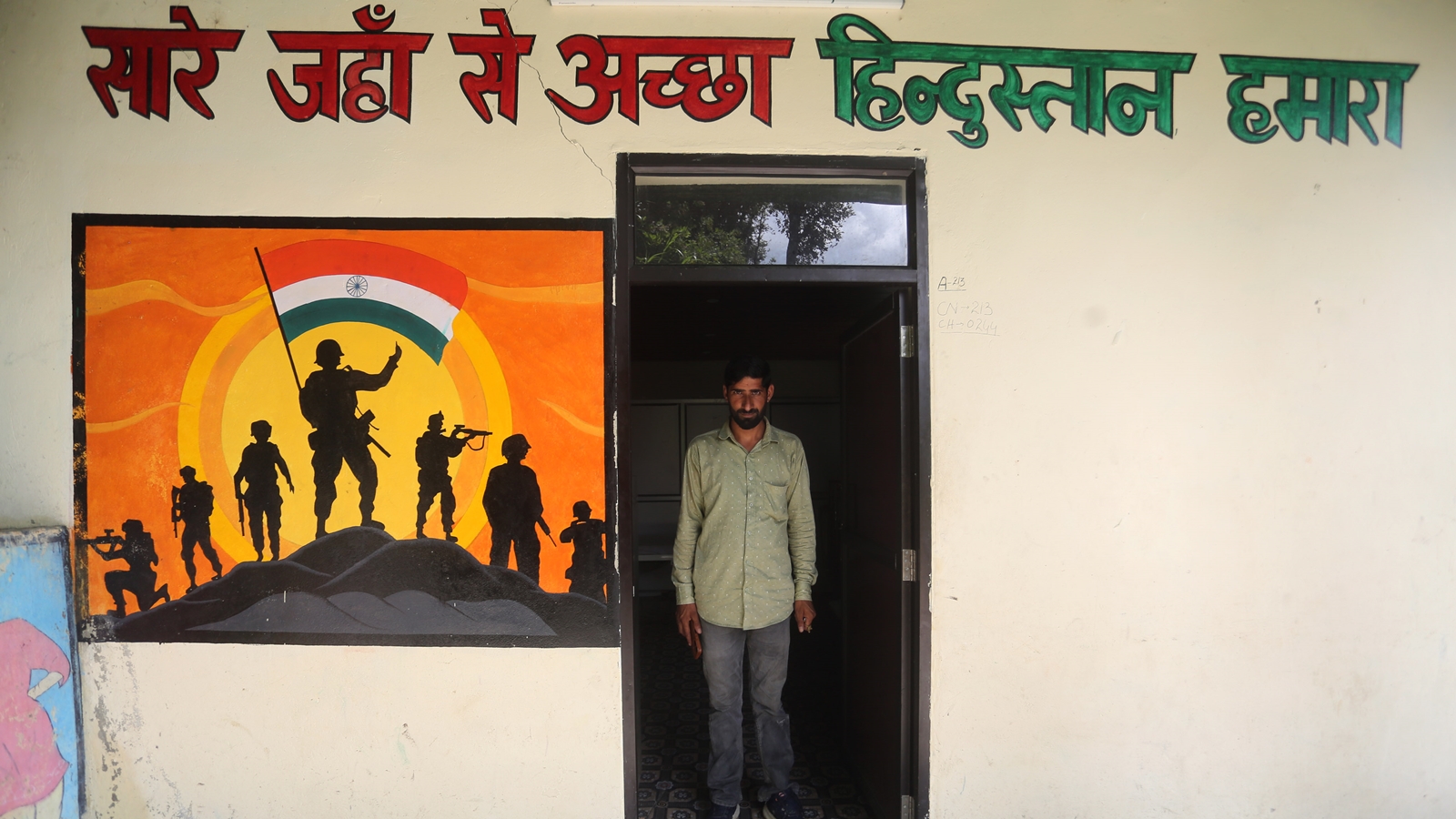
In the remote, forested terrain of Poonch, the tribal village of Topa Pir is experiencing a profound metamorphosis. For 80-year-old Zainab Bi, the sight of a newly constructed road and the glow of solar-powered lights are bittersweet. While these developments represent progress, they are inextricably linked to the memory of her son, Safeer Ahmed, who was one of three civilians killed during alleged custodial torture by the Rashtriya Rifles in December 2023.
A Landscape of Contrasts
The transformation of Topa Pir is stark. Once an isolated settlement requiring an arduous trek through the Pir Panjal forests, the village is now connected via a 1.7-km road that links it to the strategic Thannamandi-DKG–Bufliaz route. The Army's initiative to adopt the village as a 'model village' has brought tangible benefits: solar panels now gleam on porches, providing 24/7 electricity, and the local primary school has been upgraded to a middle school. Even the healthcare infrastructure has seen a boost, with a community hall now housing a health sub-centre and a computer lab.
However, these advancements cannot erase the trauma of the 2023 incident. Following a militant ambush that killed four soldiers, the local unit picked up nine men from the Gujjar Bakerwal community. Three of them—Safeer, Mohammad Showkat, and Mohammad Shabir—did not return alive. The subsequent investigation and the physical marks left on the victims created a rift of trust that even modern infrastructure struggles to bridge.
Why This Matters
BozokMedia analysis shows that the Topa Pir narrative is a microcosm of the broader challenge in conflict-ridden zones: the tension between 'Winning Hearts and Minds' through developmental aid and the imperative of legal accountability. While infrastructure builds connectivity, justice builds legitimacy. The village stands as a test case for whether material upliftment can coexist with the deep-seated grievances of a community that has suffered at the hands of the state's security apparatus.
"Emotions cannot override military discipline and the legal obligation to treat the civilians humanely," noted the Armed Forces Tribunal.
The legal ramifications of the incident reached a milestone recently when the Chandigarh Bench of the Armed Forces Tribunal (AFT) upheld the Army's decision to award "severe displeasure" to Brigadier P Acharya. The tribunal emphasized that while the operational environment was high-stress due to recent militant activity, military discipline and human rights obligations remain non-negotiable.
Historical Context of the Region
The Poonch district, particularly the areas bordering the Pir Panjal range, has historically been a volatile zone characterized by cross-border tensions and insurgency. For tribal communities like the Gujjar Bakerwals, life has long been a struggle for basic services, making them particularly vulnerable to the fluctuations of regional security dynamics.
Frequently Asked Questions
1. What changes has the Army brought to Topa Pir?
The Army has facilitated new road construction, solar lighting, improved healthcare facilities, and educational upgrades.
2. What was the outcome of the AFT hearing?
The Armed Forces Tribunal upheld the disciplinary action against the Brigadier responsible for the unit during the 2023 incident.