As a massive 34-acre redevelopment plan reshapes Mumbai's notorious Kamathipura, the traditional red-light trade is migrating from its historic lanes to hotels and lodges in the city's fringes.
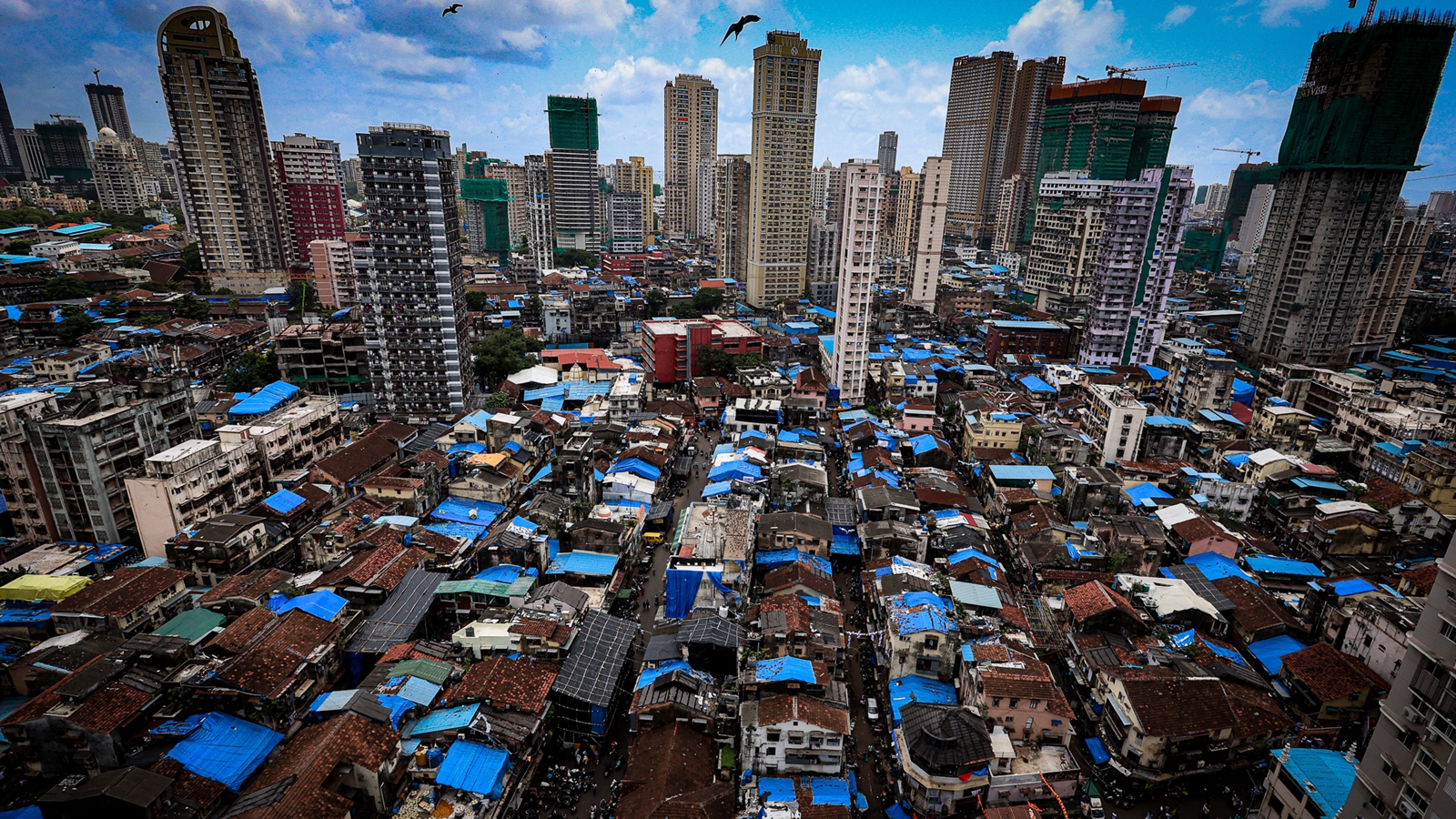
- A 34-acre cluster redevelopment plan in Kamathipura aims to replace old buildings with high-rise towers.
- The traditional red-light district is losing its concentrated geography as brothels decline.
- Sex work is migrating to the outskirts, including Navi Mumbai, Thane, and Palghar.
- Former brothel spaces are being repurposed into commercial units like garment and leather workshops.
For decades, Kamathipura was the unmistakable heart of Mumbai's red-light district. Its narrow, cramped lanes and concentrated brothels made the sex trade a visible, albeit controversial, part of the city's geography. However, that geography is rapidly vanishing. With the unveiling of a massive 34-acre redevelopment plan, the neighborhood is being reimagined as a landscape of high-rises and modern residential towers.
This urban metamorphosis carries profound implications for the thousands of women who have lived and worked in these lanes for generations. As the physical structures of the old district prepare for demolition, the sex trade is not disappearing, but rather decentralizing. Women are being pushed out of their traditional community and into the fringes of the city—into hotels, lodges, and scattered locations in Navi Mumbai, Thane, and Palghar.
Why This Matters
BozokMedia analysis shows that urban redevelopment often acts as a double-edged sword. While it promises modern infrastructure and improved living standards for residents, it frequently disrupts the informal support networks and economies of marginalized populations, pushing vulnerable groups into even less regulated and more dangerous environments.
The shift from concentrated lanes to scattered hotel rooms makes it significantly harder for social workers and law enforcement to provide protection and support to vulnerable women.
The history of Kamathipura is deeply intertwined with Mumbai's labor history. Named after the 'kamathis'—Telugu-speaking laborers from the Hyderabad region—the area's association with sex work solidified during the colonial era under the Contagious Diseases Act of 1868. Today, the transition is evident in the very fabric of the neighborhood. According to Priti Patkar, co-founder of Prerana, the number of brothels in the area dropped from 570 in 2011 to 404 in 2025.
The decline of the traditional district is marked by the rise of new commercial entities. Former brothel premises are being converted into tailoring units, leather workshops, and garment factories. This commercialization is stripping the area of its old identity, replacing the 'pinjras' (small segregated spaces) with mainstream businesses.
Law enforcement agencies have noted this shift in dynamics. A Mumbai Police officer noted that the need for a designated red-light area has diminished as customers and workers increasingly utilize the anonymity of hotels and lodges. This is reflected in the rising number of rescue operations in suburban areas like Turbhe, Taloja, and Kharghar, where police have intercepted increasing numbers of women engaged in the trade.
Frequently Asked Questions
1. What is the MHADA redevelopment plan for Kamathipura?
It is a cluster redevelopment project covering 34 acres, aimed at replacing old, dilapidated buildings with modern high-rise residential towers.
2. Where is the sex trade moving in Mumbai?
The trade is moving away from the central Kamathipura area toward hotels and lodges in the city's outskirts, including Navi Mumbai and Thane.