The Indian government’s recent order caps free UPI transactions at Rs 2,000, prompting the NPCI to meet banks about a possible fee for larger payments. With 98% of shop transactions already below the limit, the move could reshape the cost structure for merchants and consumers.
- The government keeps all RuPay debit and UPI transactions up to Rs 2,000 free.
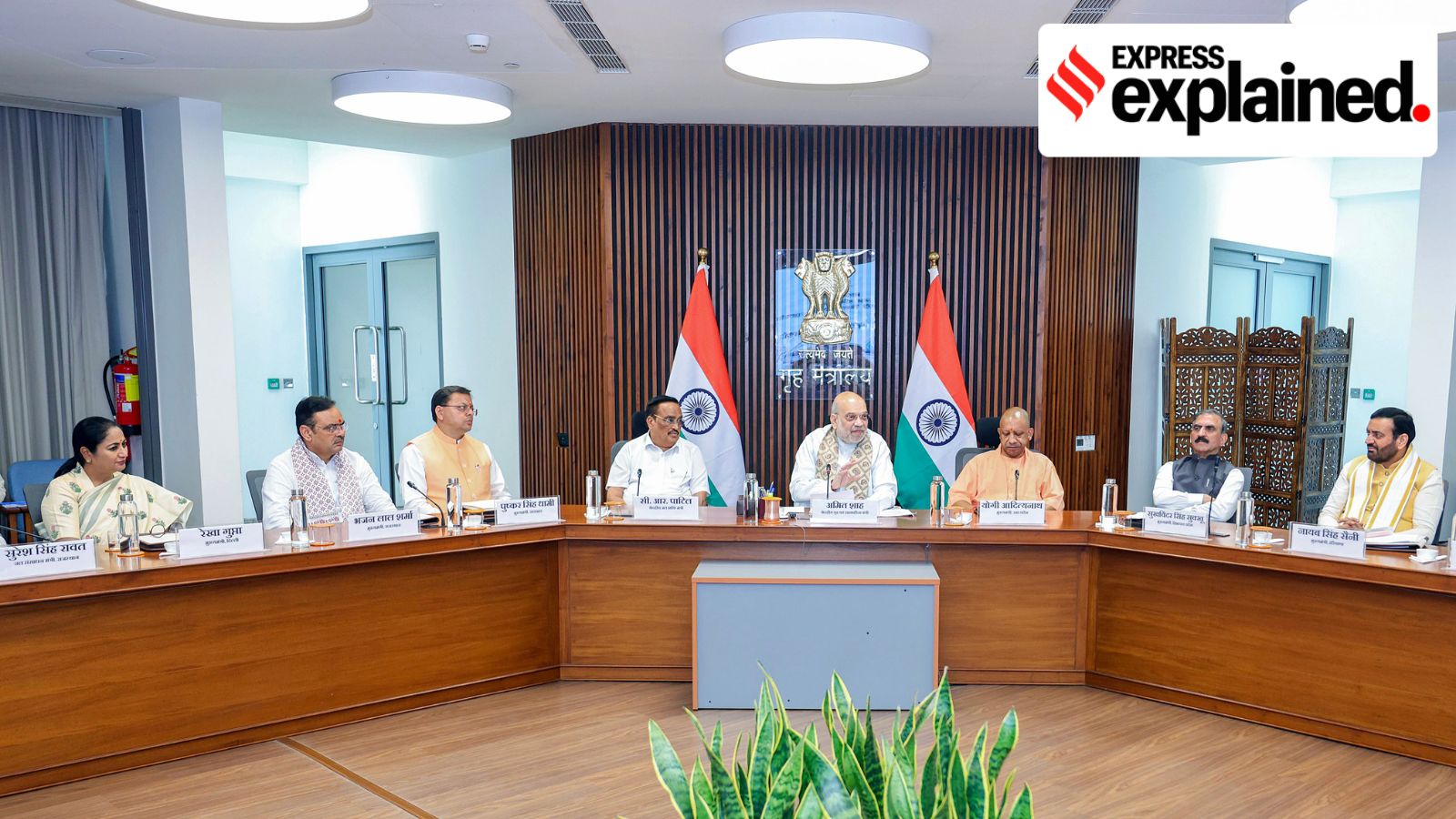
- NPCI has convened banks and payment apps to discuss a potential fee for amounts above the line.
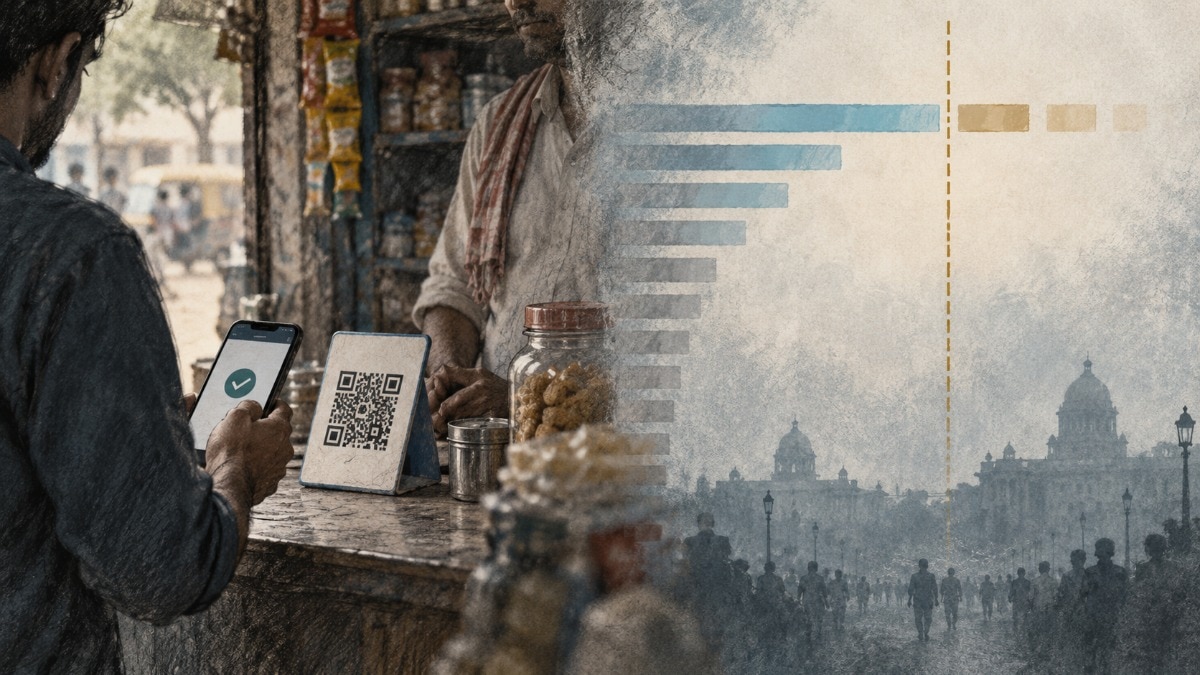
- 98 % of shop payments already fall below Rs 2,000, limiting the revenue upside of any new charge.
Government Order and Its Scope
Through S.O. 5067(E), the Ministry of Finance has declared that no bank shall levy any direct or indirect charge on RuPay debit card transactions or on Unified Payments Interface (UPI) payments of Rs 2,000 or less. The order is silent on payments above that threshold, effectively opening the door for a fee.
Historical Background
For six years, UPI transactions in India have been fee‑free by law, not as a concession. The government has been subsidising the ecosystem, allocating roughly Rs 2,000 crore in the annual budget to cover bank incentives for RuPay cards and low‑value UPI payments.
Current Payment Landscape
NPCI data for August 2026 shows an average shop payment of just Rs 577, with a total of 15.51 billion such transactions that month. About 98 % of all shop payments sit below the Rs 2,000 line; only two merchant categories—stockbrokers (average Rs 7,569) and debt collectors (average Rs 3,441)—exceed it, and neither represents a typical storefront.
Potential Fee Structures and Impact
Media reports cite possible fee rates ranging from 0.25 % to 0.5 %, with banks potentially retaining around 40 % of the revenue. At a 0.4 % rate, the annual fee pool could be roughly Rs 6,600 crore, a fraction of the ₹39,917 crore that a universal shop‑wide levy would generate.
Why This Matters
BozokMedia analysis shows that the Rs 2,000 line is a critical safety net for small merchants; any fee above it could compress margins and indirectly raise consumer prices.
"Imposing a fee without clear guidelines could slow the momentum of digital payments in India," said financial analyst Dr. Anita Singh.
Frequently Asked Questions
Q1: Will I be charged for person‑to‑person transfers?
No. The finance ministry has reaffirmed that peer‑to‑peer UPI transfers will remain free.
Q2: Who will bear the cost if my payment exceeds Rs 2,000?
The exact mechanism is still under discussion; it could be merchants, banks, or a split of the fee.