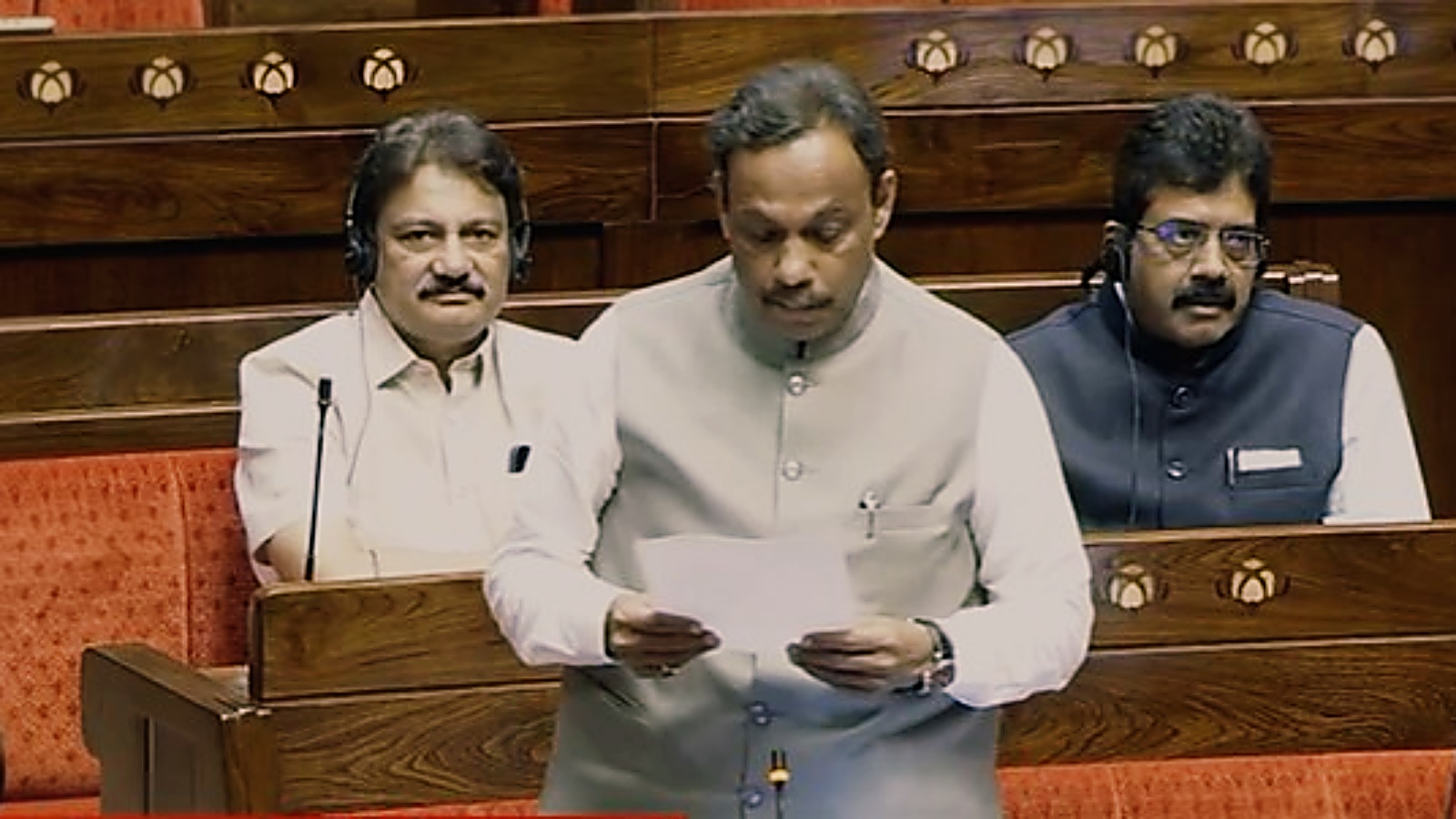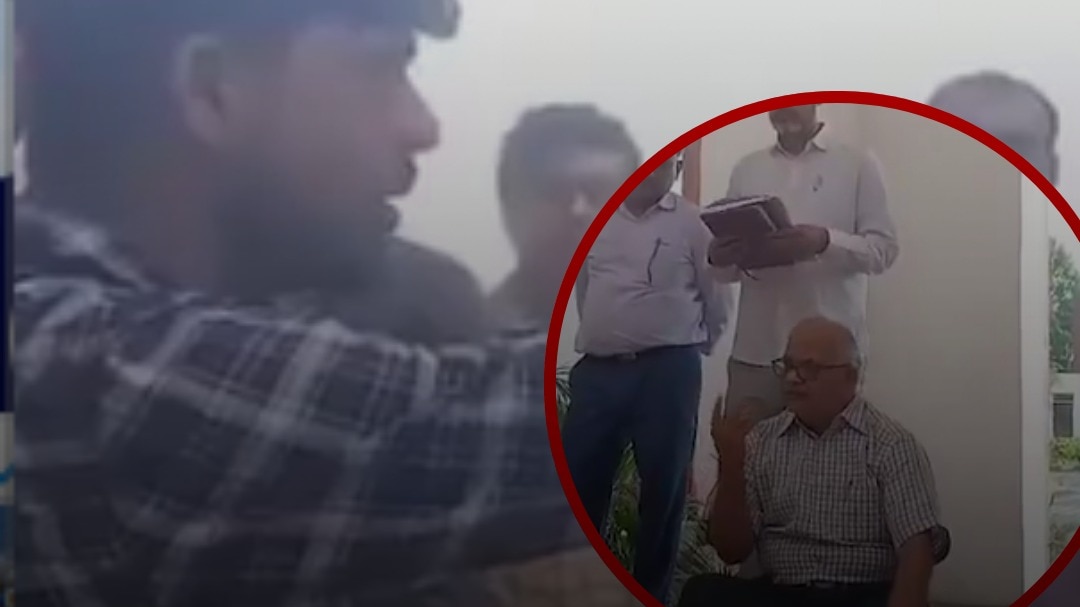
A dramatic scene unfolded at the university as students refused to proceed with their grievances until the Vice-Chancellor took a seat, signaling a major shift in power dynamics and demanding direct accountability on pressing administrative issues.
Key Takeaways
- Students demanded the Vice-Chancellor sit down before hearing grievances.
- The protest highlights a breakdown in communication between administration and students.
- Issues likely include unresolved fee hikes and lack of infrastructure.
In an unprecedented display of assertiveness, students at a prominent university turned the tables on the administration during a recent meet. The gathering, intended to address student grievances, took a dramatic turn when the students insisted that the Vice-Chancellor (VC) take a seat before they would begin listing their issues. This act of defiance underscores the growing frustration among the student body regarding the administration's perceived aloofness and lack of concrete action.
A Shift in Power Dynamics
Typically, university interactions are steeped in rigid hierarchy, with top officials standing or sitting on elevated platforms while students remain in a submissive position. By reversing this norm, the students sent a clear message: they are no longer content to be passive recipients of administrative decisions. The VC, visibly taken aback by the demand, eventually complied, allowing the dialogue to proceed but under terms set by the students themselves.
Why This Matters
BozokMedia analysis shows that this incident is not an isolated event but part of a broader global trend where Gen Z is challenging traditional authority structures. The insistence on 'eye-level' dialogue is a psychological tool being used to strip away the artificial barriers that often prevent accountability in educational institutions.
When students force a hierarchy reset, it indicates a total collapse of faith in conventional grievance redressal mechanisms.
Historical Background
Student protests have historically been the bedrock of social change, from the anti-war movements of the 1960s to the more recent climate strikes. However, the tactic of physically dictating the posture of a high-ranking official is a novel evolution in protest tactics. It moves beyond shouting slogans to physically reclaiming space and respect within the academic sphere.
| Traditional Interaction | Current Standoff |
|---|---|
| VC speaks from a position of height/authority. | Students demand VC sit at their level. |
| Grievances submitted via formal, often ignored letters. | Direct, face-to-face confrontation demanded. |
| Passive acceptance of administrative delays. | Active disruption of protocol to force attention. |
Frequently Asked Questions
Q: Why did the students ask the VC to sit?
A: The students wanted to establish a sense of equality and ensure the VC was listening actively rather than just standing over them, symbolizing a break in the hierarchical divide.
Q: What were the specific issues raised by the students?
A: While the specific list is long, primary concerns usually include exorbitant fee hikes, inadequate hostel facilities, and delays in exam results.