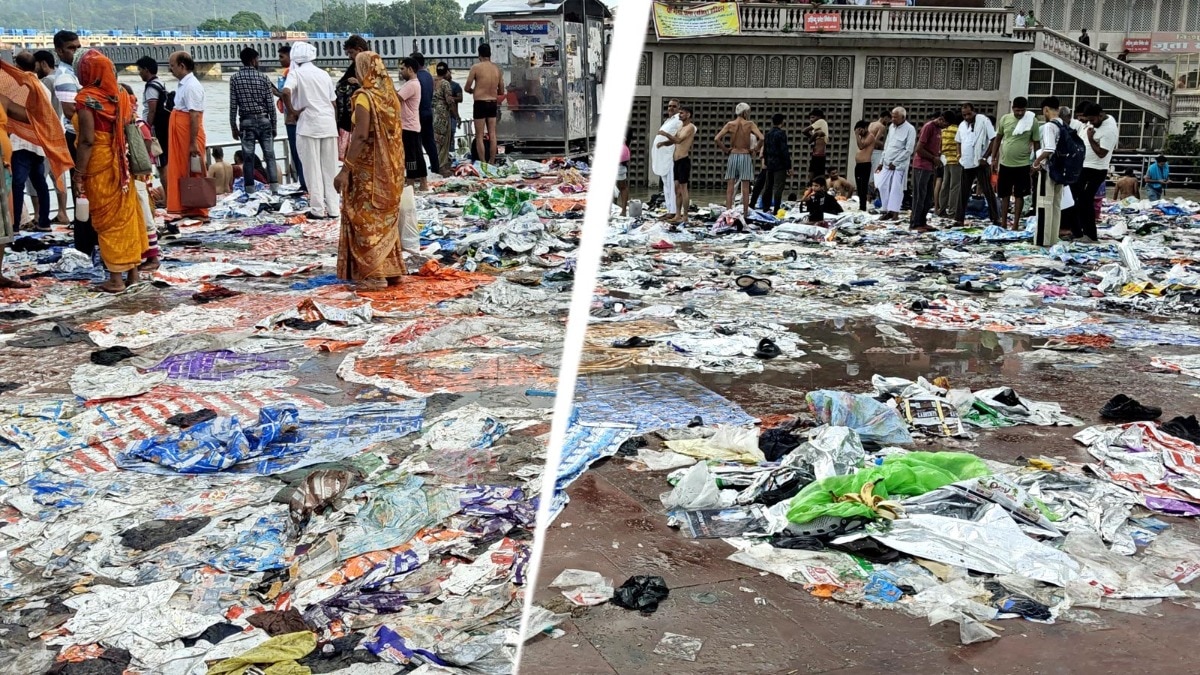
Following the conclusion of the annual Kanwar Yatra, Haridwar is launching a massive sanitation drive to clear 7,000 metric tonnes of accumulated garbage.
Key Takeaways
- Approximately 4.8 crore pilgrims visited Haridwar during the festival.
- Total waste generated reached nearly 7,000 metric tonnes.
- 2,000 metric tonnes of waste was collected in the final two days alone.
- Drones and solar-sensor dustbins were utilized for the first time.
Haridwar is currently undergoing a large-scale sanitation operation following the conclusion of the annual Kanwar Yatra. According to civic officials, the massive influx of pilgrims has left the city reeling under the weight of approximately 7,000 metric tonnes of waste. The scale of the cleanup highlights the immense logistical challenge posed by one of India's largest religious gatherings.
Civic bodies reported that nearly 4.8 crore pilgrims descended upon Haridwar to collect holy Ganga water. To manage this unprecedented surge, the Haridwar Municipal Corporation deployed over 1,000 additional outsourced workers and more than 80 specialized sanitation vehicles. The intensity of the waste generation peaked at the end of the festival, with nearly 2,000 metric tonnes collected in just the final 48 hours.
Why This Matters
BozokMedia analysis shows that as religious tourism scales up exponentially in India, urban infrastructure faces a critical breaking point. The ability of a city like Haridwar to manage such massive biological and solid waste is a litmus test for its long-term sustainability and public health preparedness.
Integrating drone surveillance and smart technology is no longer an option but a necessity for managing mega-scale pilgrimages.
In a significant technological leap, the Municipal Corporation utilized drones to monitor cleanliness across major routes and crowded ghats. Furthermore, the city tested solar-sensor dustbins as part of a pilot project to modernize waste management. Municipal Commissioner Nandan Kumar emphasized that the cleanup drive will continue until all public spaces and ghats are fully restored to their original state.
Historical Background
The Kanwar Yatra is a significant annual pilgrimage where devotees (Kanwariyas) carry holy water from the Ganges to offer to Lord Shiva. Over the decades, the scale of this pilgrimage has grown from local gatherings to a massive national event, necessitating advanced urban planning and waste management strategies.
Frequently Asked Questions
1. How much waste was generated during the Yatra?
A total of approximately 7,000 metric tonnes of garbage was collected.
2. What new technologies were used for cleaning?
The city employed drone surveillance and tested solar-sensor dustbins to manage waste.