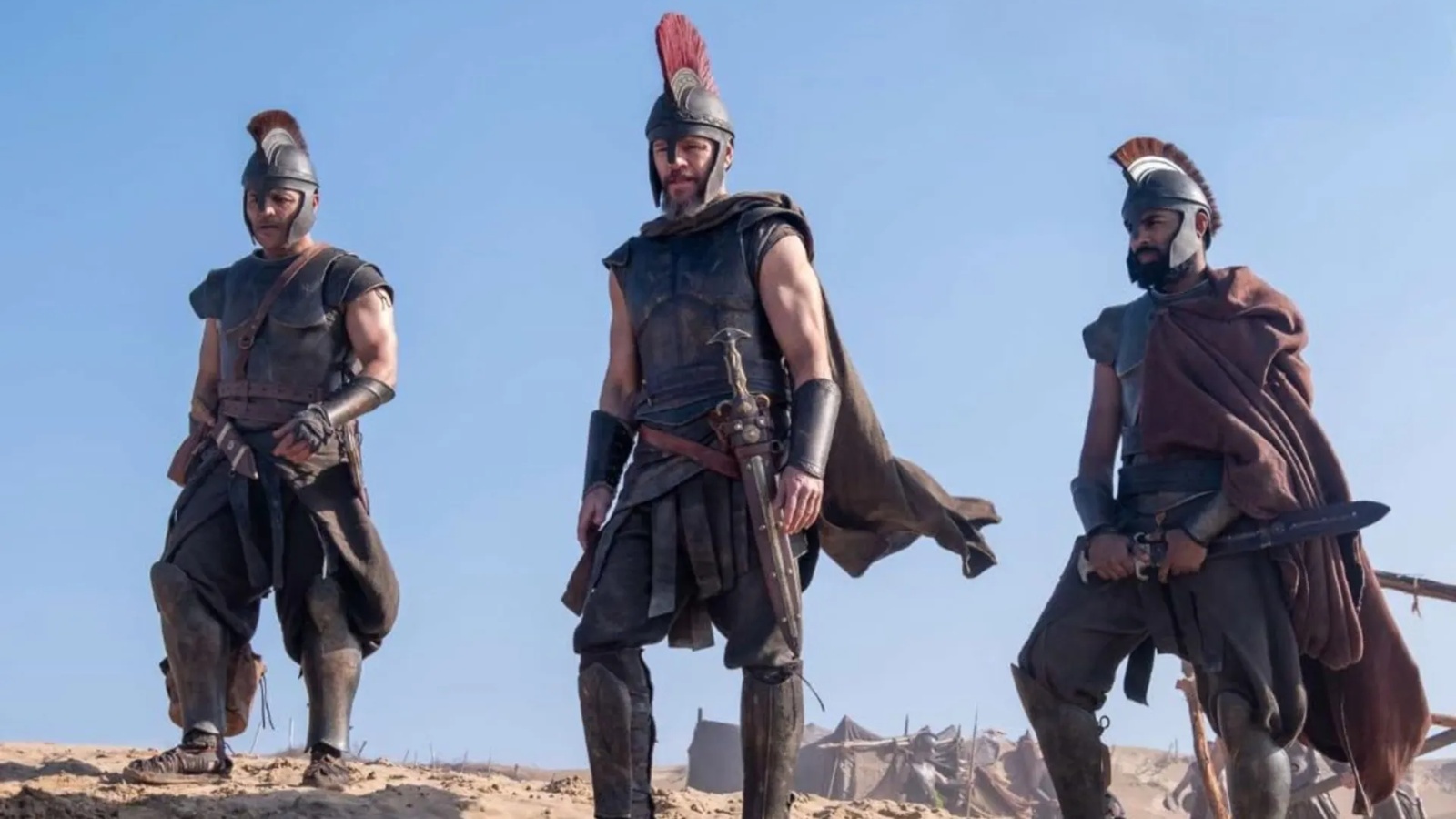
Nolan's latest epic dazzles with visual grandeur but fails to explore Odysseus's inner complexity. This column dissects the film’s strengths and its glaring narrative shortfall.
Key Takeaways
- Nolan's 'Odyssey' is visually breathtaking.
- The film neglects Odysseus's psychological depth.
- It raises modern questions about narrative control.
Overview of Nolan's 'Odyssey'
‘The Odyssey’ attempts to translate Homer’s ancient epic into a modern cinematic language. Matt Damon portrays Odysseus, who returns to Ithaca after twenty years, yet Nolan leaves his internal turmoil largely untouched.
Historical Background
Homer’s original poem has always centered on the human longing for home and the transformative power of time. Over centuries, the story has been retold in countless forms, each probing the hero’s complexity.
Why This Matters
BozokMedia analysis shows that contemporary audiences crave stories that question who controls the narrative. Nolan’s ‘Odyssey’ sidesteps this inquiry, weakening its resonance with today’s viewers.
"Nolan masterfully delivers visual spectacle, but he sidesteps the inner conflict that makes Odysseus compelling."
Critical Reception and Expert Opinion
Classicist Emily Wilson argues the film lacks convincing treatment of time, memory, and ethical nuance. Her critique is echoed by several scholars who contend Nolan’s lens is overly masculine and simplistic.
Frequently Asked Questions
Q1: Is Nolan's 'Odyssey' faithful to the original poem?
A1: Visually distinct, yet it retains many core plot elements.
Q2: Why does the film feel emotionally shallow?
A2: Nolan emphasizes external challenges while downplaying Odysseus's internal psychological journey.