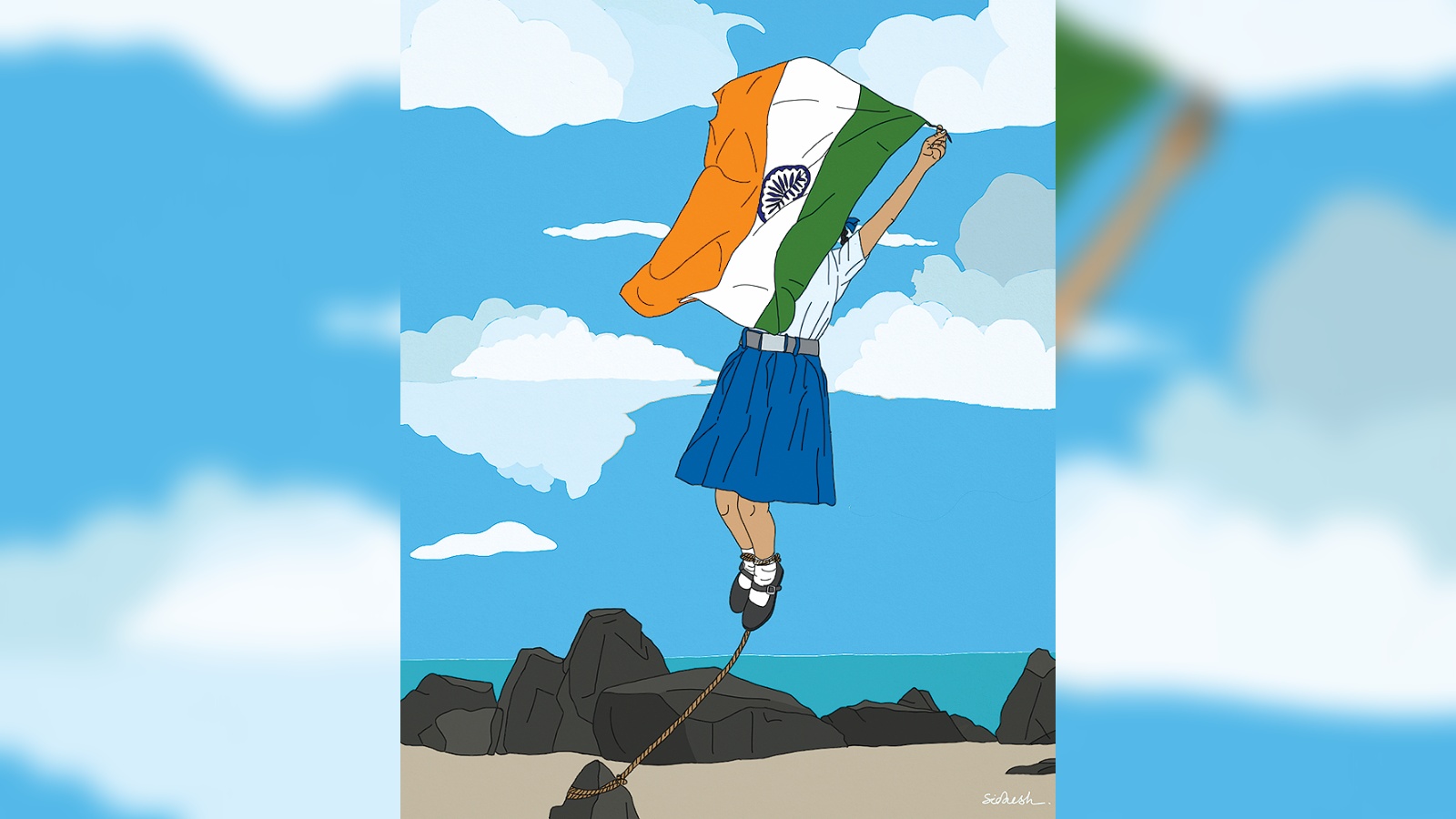
In a powerful op-ed, Padmapriya Janakiraman questions the true meaning of freedom for Indian women, highlighting the gap between legal independence and social reality.
Key Takeaways
- True freedom for women transcends legal rights to include social dignity and safety.
- Systemic barriers prevent highly educated women from entering leadership roles.
- Society often praises female 'resilience' to mask the burden of endurance.
On August 15, 1947, India embarked on a journey of dignity and opportunity. However, seventy-nine years later, the question remains: How much of that promise has been fulfilled for the women of India? Writing as a mother and an actor, Padmapriya Janakiraman delivers a poignant message to her daughter regarding the reality of independence.
The author argues that in Indian households, women are not just born; they are 'made' through constant social conditioning—instructions to sit properly, speak softly, and seek permission. This conditioning creates a barrier long before they enter the professional world.
Why This Matters
BozokMedia analysis shows that the disparity is not just social but deeply structural. Despite India producing the world's highest share of female STEM graduates, only 27% enter the workforce. The representation of women in decision-making roles—from senior advocates to newspaper editors—remains staggeringly low.
We should be less impressed by how well women endure and more curious about why endurance keeps being the job requirement.
The struggle is evident in every sector. Whether it is the recent revelations in the Kerala film industry or the challenges faced by female athletes, the script remains the same: women face barriers to leadership even after reaching the top of their fields.
Comparative Participation Data
| Sector | Female Participation (%) |
|---|---|
| STEM Workforce | 27% |
| Central University Teaching | <30% |
| Senior Advocates | 3.4% |
| Media Editors/Proprietors | 13% |
Janakiraman envisions a future where freedom means walking home safely without judgment, unpaid domestic work is recognized as labor, and a woman's word is believed the first time she speaks it.
Frequently Asked Questions
1. What is the core theme of the article?
The core theme is the distinction between political independence and the lived experience of gender equality and dignity for women.
2. How does the author view 'resilience' in women?
She views it critically, suggesting that what society calls 'resilience' is often just a forced necessity due to systemic failures.