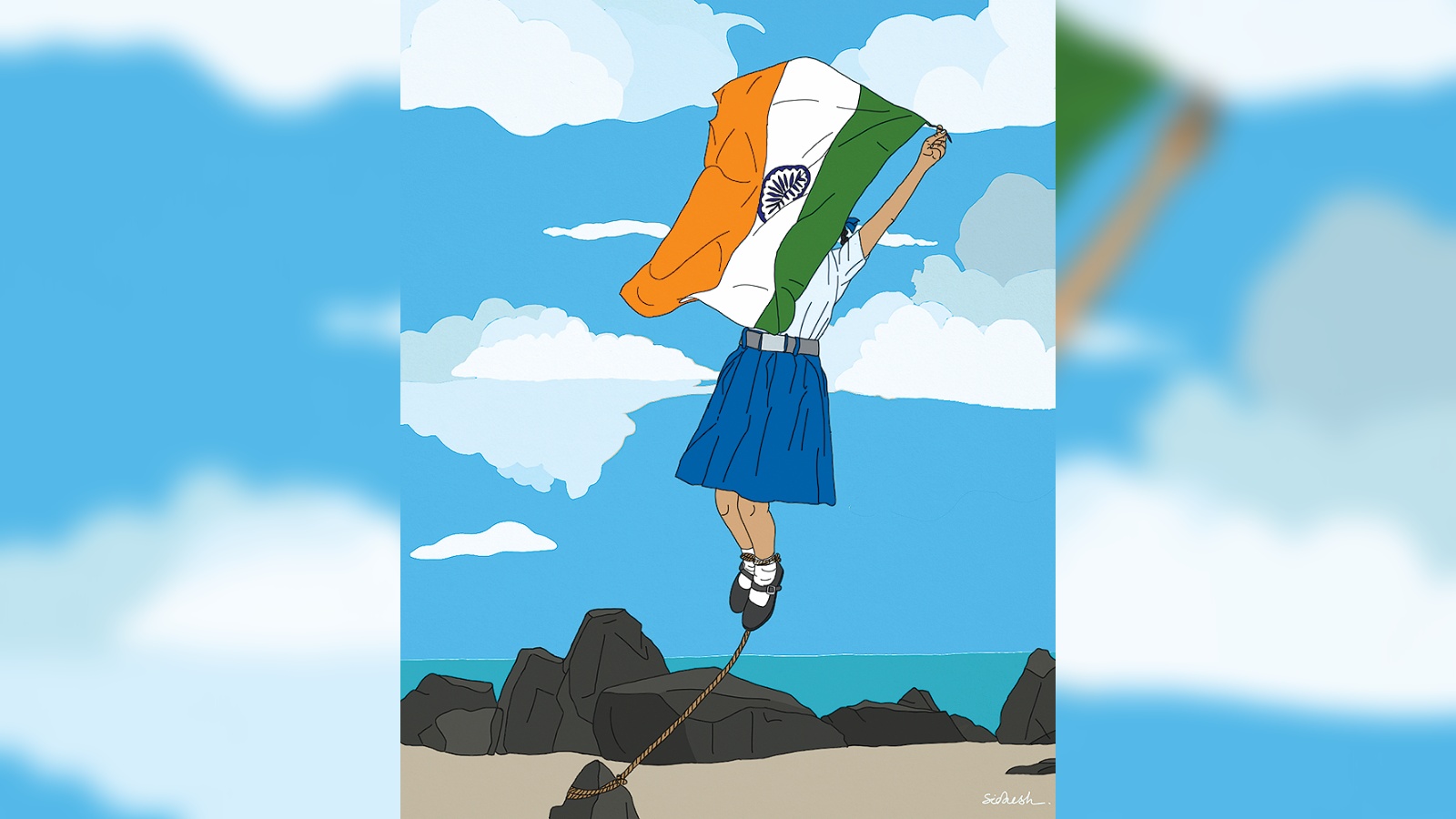
In a poignant reflection, Siddhesh Gautam questions whether true independence has reached the marginalized, exploring the gaps between national celebration and lived reality.
Key Takeaways
- Independence is not just the absence of foreign rule but the presence of social justice.
- Caste, gender, and religious hierarchies continue to limit true freedom for many.
- Modern youth face a new kind of dependency on market-driven aspirations.
Every Independence Day, two worlds coexist: the celebratory world of flags and speeches, and the intimate world of lived experiences where freedom feels unevenly distributed. Siddhesh Gautam argues that for many, independence is not a philosophical abstraction but a deeply political and material struggle.
The Struggle of Marginalized Communities
Drawing from a Scheduled Caste background, the author highlights that freedom remains elusive for those trapped in caste hierarchies and social exclusion. A nation cannot claim complete independence while Dalit communities fight for dignity, Adivasis lose their ancestral lands, and religious minorities navigate suspicion. True independence must be defined by the presence of justice, not just the departure of colonial rulers.
Why This Matters: BozokMedia Analysis
BozokMedia analysis shows that structural inequalities act as invisible barriers to the constitutional promise of liberty. When merit is bypassed by caste privilege or social connections, the nation fails its democratic mandate. The gap between legal freedom and social acceptance remains the greatest challenge for modern India.
Independence is not only the freedom to choose between careers or products; it is the freedom to imagine a different society altogether.
The article further delves into the constraints faced by women and the queer community, questioning how independent one can be when their very identity or mobility is under constant scrutiny.
The Trap of Modern Aspirations
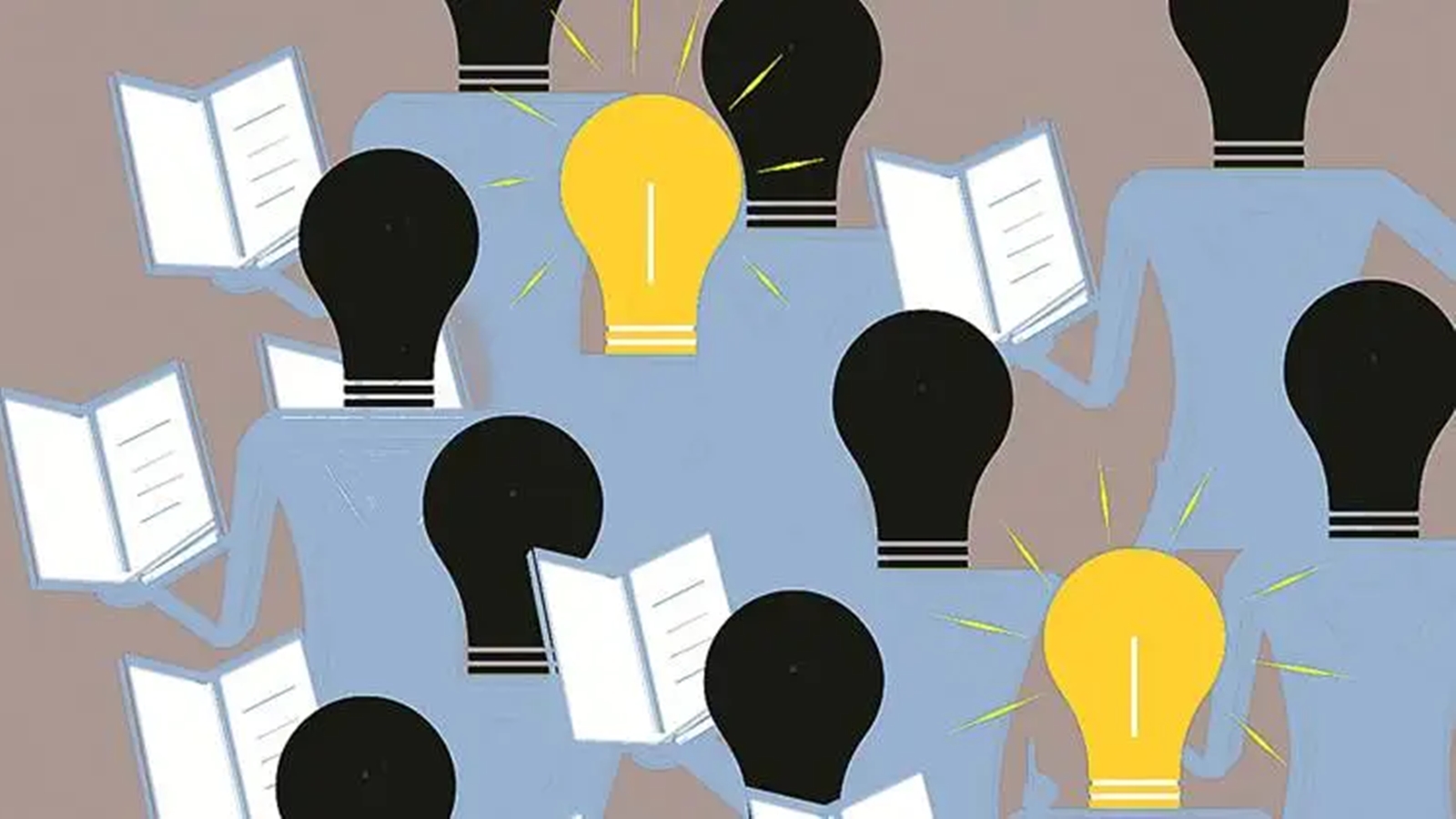
Beyond social hierarchies, there is a growing concern regarding the independence of the mind. Today's youth are often caught in dreams manufactured by algorithms and market consumption rather than genuine imagination. We are being trained to be efficient workers before being nurtured as thoughtful citizens.
Frequently Asked Questions
1. What is the main argument of the article?
The main argument is that true independence is an unfinished project that requires dismantling caste prejudice, patriarchy, and social inequality.
2. How does the author view modern success?
The author views modern success as being increasingly defined by consumption and status, which limits the individual's ability to dream meaningfully.