The Federal Trade Commission's attempt to regulate personalized pricing has sparked intense debate. While aimed at protecting consumers, critics argue the move might inadvertently eliminate discounts and increase overall market prices.
- FTC aims to regulate pricing models based on individual consumer data.
- Critics warn that limiting these models could eliminate targeted discounts.
- The agency seeks mandatory disclosure when data is used to set higher prices.
A growing debate is unfolding in the United States regarding the Federal Trade Commission's (FTC) recent moves to curb personalized pricing. While the agency views this as a vital step for consumer protection, many economists and industry experts fear the unintended consequences could be catastrophic for the very people they aim to protect.
Personalized pricing occurs when businesses leverage vast amounts of personal data to determine the maximum amount a specific individual is willing to pay for a product or service. While the FTC lacks the direct authority to ban this practice entirely, it is pushing for strict limits and penalties for companies that fail to disclose when consumers are being charged premium rates based on their data profiles.
Why This Matters
BozokMedia analysis shows that the tension lies between transparency and efficiency. While transparency is a cornerstone of fair markets, the algorithms used for personalized pricing often facilitate 'targeted discounts' that benefit price-sensitive consumers. A heavy-handed regulatory approach could force companies to revert to static pricing, potentially raising the floor for everyone.
The line between 'smart marketing' and 'predatory pricing' is becoming increasingly blurred in the digital age.
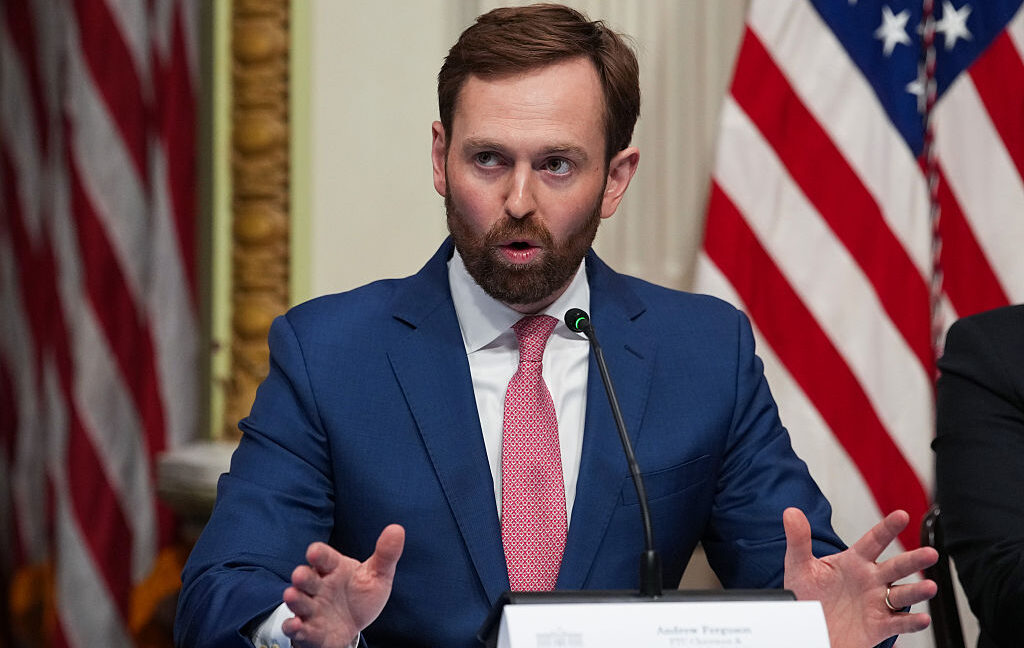
FTC Chair Andrew Ferguson has noted that emerging industries are increasingly tracking customers to set individualized prices, often blindsiding consumers who expect a uniform market price. This shift has fundamentally changed the retail landscape from a 'one price for all' model to a highly individualized experience.
Historical Background
For decades, retail relied on fixed price tags. The advent of Big Data and machine learning transformed this into 'dynamic pricing,' initially used by airlines and hotels, but now permeating almost every sector of the digital economy, from e-commerce to ride-sharing.
Frequently Asked Questions
1. What is the difference between dynamic and personalized pricing?
Dynamic pricing changes based on market demand, while personalized pricing changes based on specific individual data.
2. How will the FTC's policy affect me?
It may lead to more transparency regarding how prices are set, but it could also result in fewer personalized discounts.