The National Institutes of Health (NIH) has entered a decade-long agreement to transfer funds to the Department of Defense (DoD) for medical countermeasure research, despite NIH leadership previously rejecting some of these projects.
- NIH will transfer funds to the DoD to support medical countermeasures.
- Focus areas include pandemic influenza and CBRN (Chemical, Biological, Radiological, Nuclear) threats.
- The agreement spans a 10-year period, drawing from the NIAID budget.
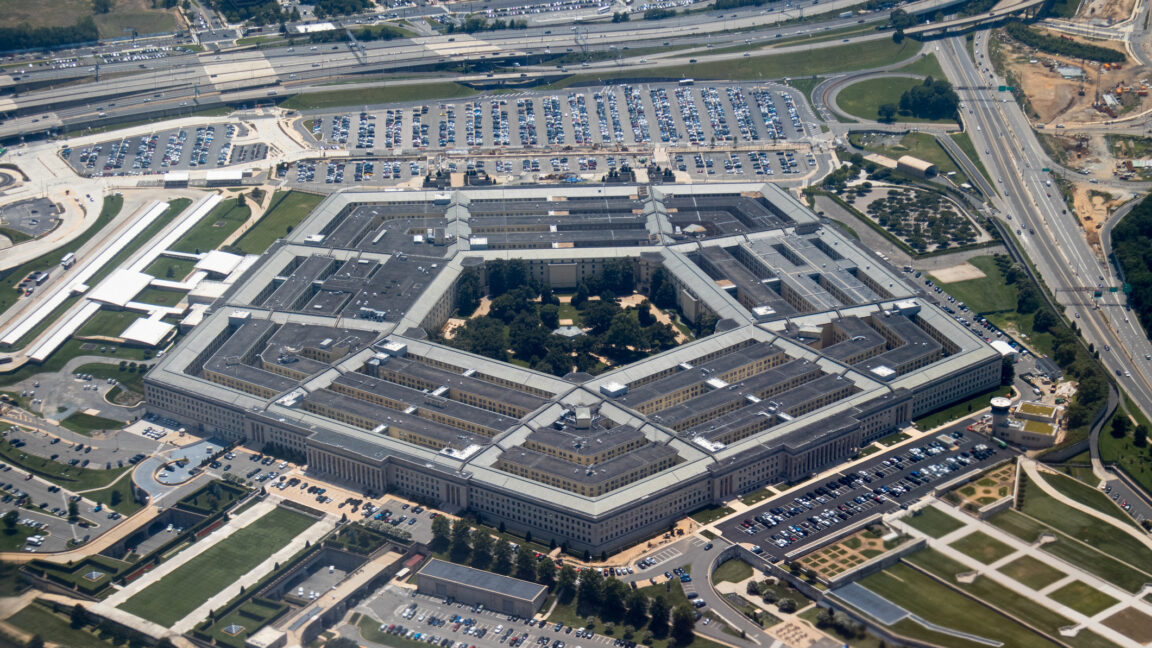
In a move that has sent ripples through the scientific community, the National Institutes of Health (NIH) has officially partnered with the Department of Defense (DoD) to fund military-led medical research. The agreement, signed roughly a month prior to its public release, allows the NIH to divert a portion of its budget to support DoD staff and specialized projects.
The financial pipeline will originate from the National Institute of Allergy and Infectious Diseases (NIAID), which has a congressional allocation of $6.6 billion for 2026. These funds are earmarked for the advanced development of medical countermeasures against pandemic influenza, as well as chemical, biological, radiological, and nuclear (CBRN) threats and other emerging infectious diseases.
Why This Matters
BozokMedia analysis shows a concerning paradox: the funds are being directed toward projects that current NIH leadership had explicitly rejected. This suggests a misalignment between the NIH's public health priorities and the strategic imperatives of the DoD, potentially indicating that national security concerns are overriding scientific leadership's autonomy.
"The diversion of public health funds to military research creates a precarious precedent for the independence of scientific inquiry."
The disparity in budget scales is staggering. While the 2026 Defense budget is approximately $1 trillion, the DoD is seeking supplemental funding from the NIH. This is largely attributed to the immense financial strain caused by the open-ended conflict with Iran, which has depleted traditional defense resources.
Internal reports indicate a negotiation struggle over the amount. While the DoD initially sought up to one-third of the NIAID budget, they were reportedly told to settle for approximately 10 percent. This deal comes at a time when the NIH is already facing criticism for its inability to efficiently issue grants allocated by Congress.
Frequently Asked Questions
1. How long is the agreement between the NIH and DoD?
The agreement is set to run for a decade (10 years).
2. Which specific NIH institute is providing the funds?
The funds are coming from the National Institute of Allergy and Infectious Diseases (NIAID).