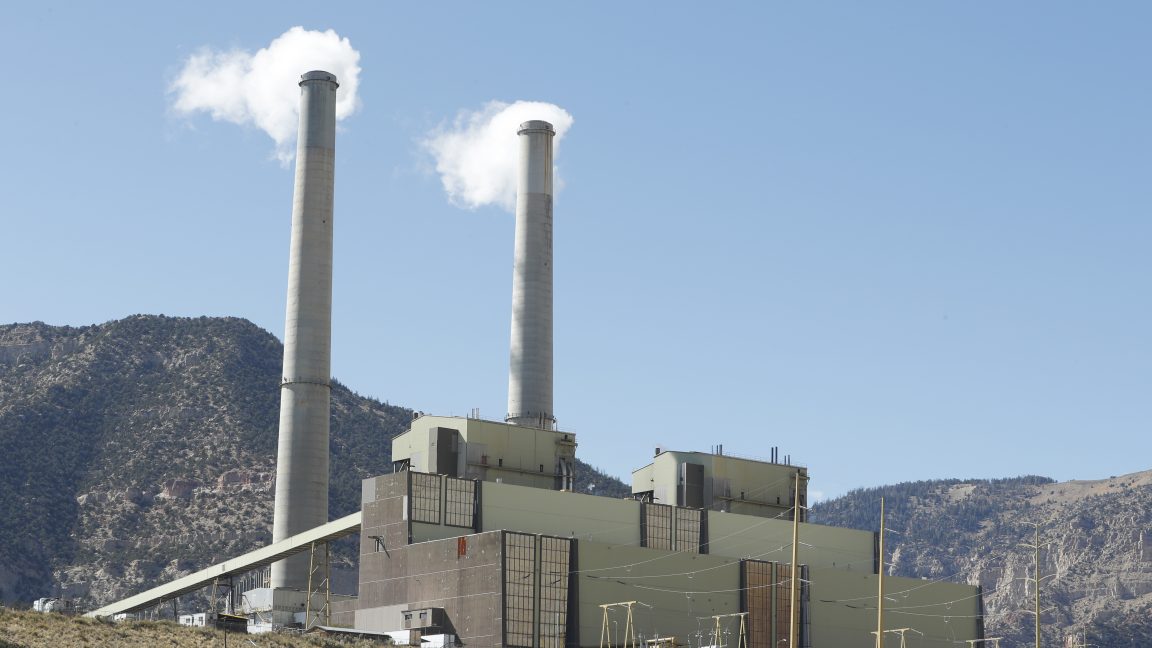
The EPA has announced plans to gut Biden-era carbon pollution standards, claiming power plant emissions have no material impact on climate change.
- The Trump administration has overturned major Biden-era climate pollution limits.
- The EPA argues that previous standards exceeded its legal authority under the Clean Air Act.
- The agency proposed revoking all remaining GHG emission requirements for power plants.
In a sweeping policy reversal, the Trump administration has moved to overturn most of the Biden-era regulations designed to limit climate pollution from power plants. This decision comes on the heels of the hottest summer on record and stark warnings from the United Nations regarding escalating climate risks.
The Environmental Protection Agency (EPA) announced a final plan on Monday that effectively guts the 2024 Carbon Pollution Standards. The agency justified this move by stating that the previous standards exceeded its authority under the Clean Air Act by mandating control technologies that are "not adequately demonstrated."
A Radical Shift in Stance
In perhaps its most controversial move, the agency has also proposed revoking "all remaining GHG emissions requirements for power plants." The EPA's rationale is that these emissions "have no material impact on climate change," a statement that stands in direct opposition to the consensus of the global scientific community.
Undermining emission standards for the second-largest source of greenhouse gases could derail global efforts to mitigate rising temperatures.
Why This Matters
BozokMedia analysis shows that this policy shift represents a fundamental realignment of U.S. environmental priorities. By prioritizing industrial autonomy over stringent emission controls, the administration is signaling a return to fossil-fuel-centric energy policies, which could have significant implications for international climate agreements.
Historical Background
The 2024 Carbon Pollution Standards were a cornerstone of the Biden administration's strategy to transition the energy sector toward cleaner alternatives. The reversal marks a significant legal and political battle over the scope of regulatory power held by agencies like the EPA.
Frequently Asked Questions
1. What was the basis for the EPA's decision?
The EPA claimed that the 2024 standards required unproven technologies and exceeded the legal authority granted by the Clean Air Act.
2. How does this affect climate goals?
Critics argue that removing these regulations will lead to increased greenhouse gas emissions, making it harder to meet global temperature targets.