A federal appeals court has struck down the Department of Energy's attempt to keep coal plants operational under false emergency claims, marking a significant legal blow to the administration's energy policy.
- DC Circuit Court of Appeals ruled that DOE's 'emergency' declarations for coal plants were invalid.
- The ruling specifically targets the J.H. Campbell Generating Plant in Michigan but sets a precedent for all such cases.
- The court found no evidence of wartime or sudden energy shortages justifying the forced extensions.
In a decisive legal blow to the administration's efforts to revive the fossil fuel industry, a unanimous three-judge panel from the DC Circuit's Court of Appeals has thrown out the Department of Energy's (DOE) orders to keep coal-fired power plants operational. The court ruled that the administration had overstepped its legal authority by declaring 'emergencies' where none actually existed.
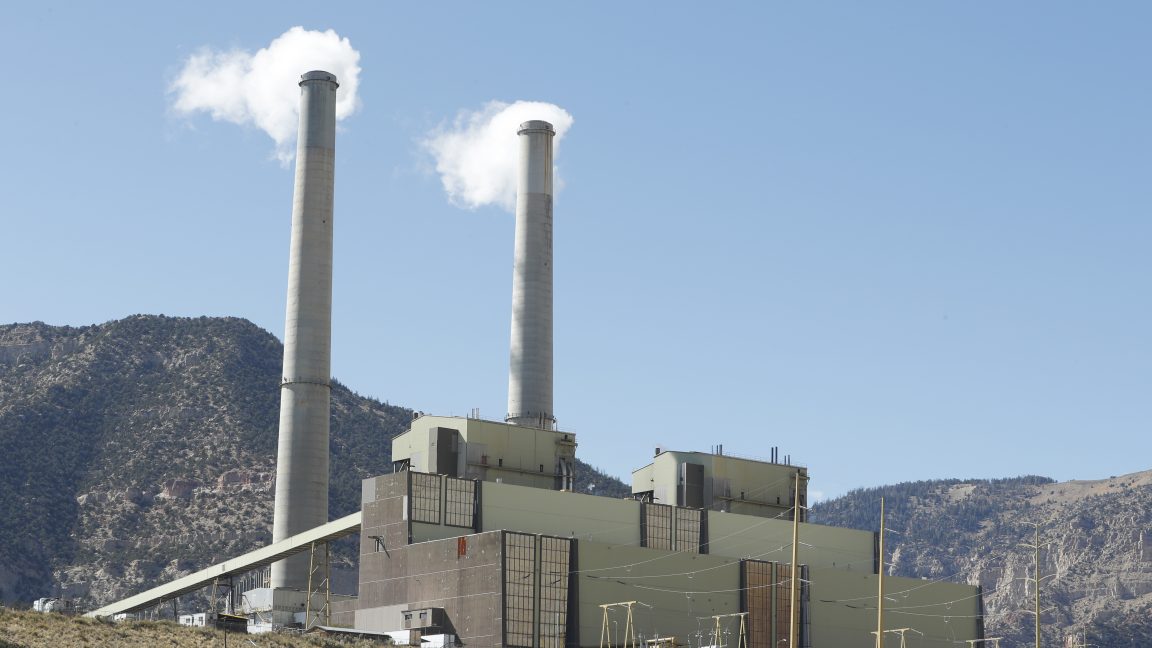
The case centered on the J.H. Campbell Generating Plant in Michigan. Despite being scheduled for closure last year, the plant was kept running through a series of five separate emergency declarations, each lasting 90 days. The administration relied on Section 202(c) of the Federal Power Act, which permits the DOE to intervene only during wartime or in the event of a sudden, critical shortage of electric energy.
Why This Matters
BozokMedia analysis shows that this ruling is not merely about one plant in Michigan; it is a systemic rejection of the administration's attempt to use regulatory loopholes to fight the inevitable decline of coal. For nearly two decades, coal's share of the US grid has plummeted due to the rise of cheaper natural gas and renewables. By attempting to force plants to stay open, the administration was trying to artificially sustain an industry that is no longer economically viable.
"This ruling reaffirms that administrative 'emergencies' cannot be manufactured to serve political agendas or protect obsolete industries from market forces."
The legal implications are vast. Because the court's reasoning focused on the interpretation of the statute itself, this decision will likely apply to every other coal plant closure that the DOE has attempted to block. This creates a clear path for states and utility companies to proceed with their planned transitions toward cleaner energy sources without federal interference.
Historically, the first Trump administration struggled to reverse the trend of coal plant closures. The current administration's approach was significantly more aggressive, attempting to use direct mandates rather than just deregulation. However, the judiciary has now signaled that the Federal Power Act cannot be used as a tool for industrial preservation.
Frequently Asked Questions
Q: Which specific plant was the subject of this ruling?
A: The J.H. Campbell Generating Plant in Michigan was the primary focus of the court's decision.
Q: Can the DOE still declare emergencies for power plants?
A: Yes, but only under strict conditions such as actual wartime or a genuine, sudden shortage of energy, as defined by the Federal Power Act.