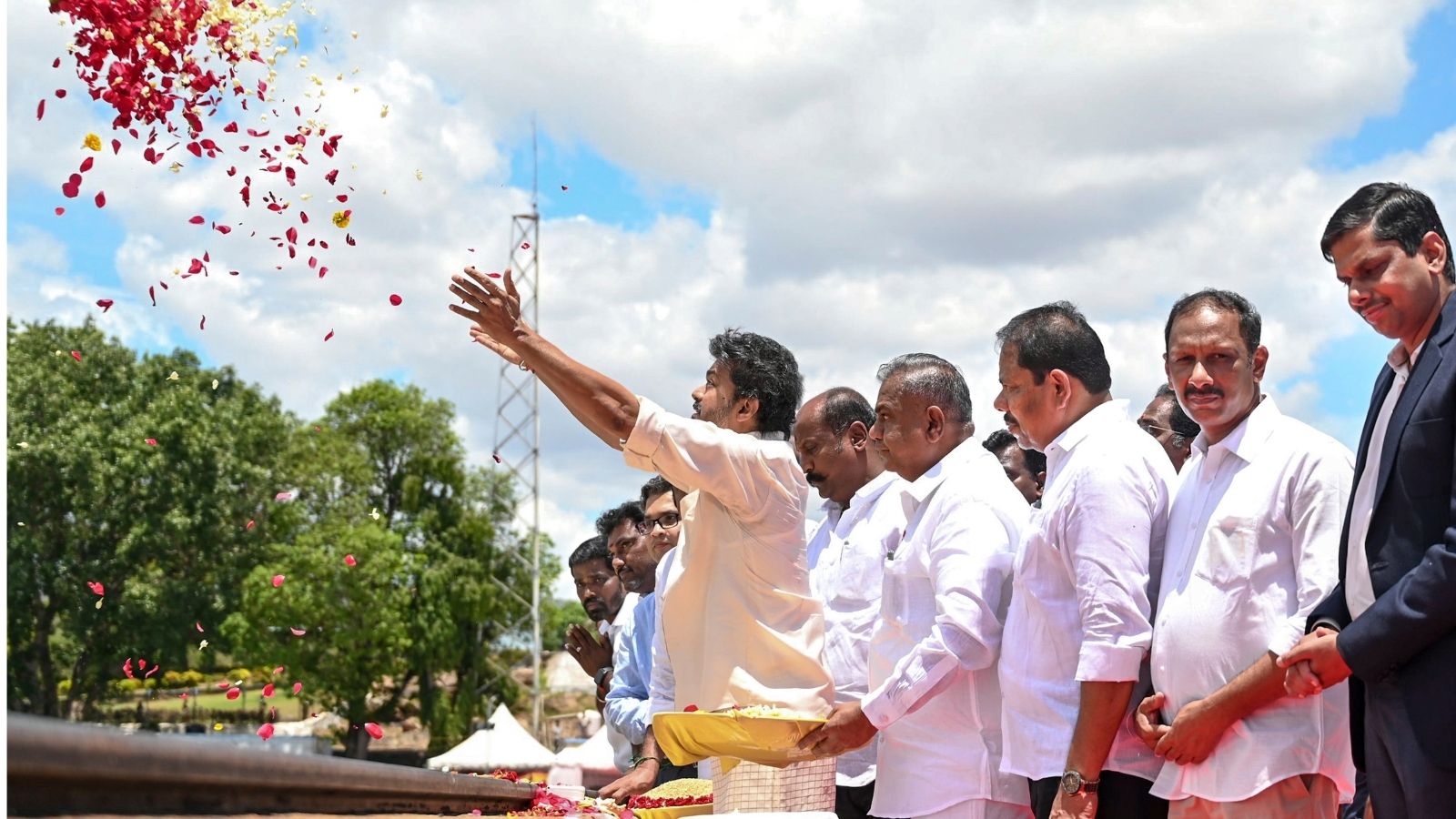
Tamil Nadu CM Joseph Vijay has officially opened the Mettur dam sluice gates to provide critical water for Samba cultivation. However, concerns persist among farmers as the government initially plans the release for only 45 days.
- CM Joseph Vijay opened Mettur dam sluice gates after an 80-day delay due to low storage.
- Initial water release is set for 45 days (until Oct 15), sparking concerns among delta farmers.
- The reservoir is currently at 91.56 feet, roughly half of its total capacity.
- Water will benefit approximately 16.05 lakh acres across 12 districts in Tamil Nadu.
In a ceremony marked by both relief and apprehension, Chief Minister C Joseph Vijay opened the sluice gates of the Stanley Reservoir at Mettur on Tuesday. This act marks the beginning of the agricultural season for thousands of farmers in the Cauvery delta, which is widely regarded as the 'rice bowl' of Tamil Nadu. The initial discharge began at 3,000 cusecs, with plans to scale up to 7,000 cusecs to ensure the water reaches the far ends of the delta.
The timing of this opening is historically anomalous. Typically, the dam opens on June 12, providing a 230-day window for irrigation. This year, a severe deficit in the southwest monsoon and the lingering effects of El Niño forced a delay of 80 days. This is only the fourth time in the dam's 93-year history that the release has been pushed as late as September, following similar crises in 2002, 2012, and 2016.
Why This Matters
BozokMedia analysis shows that the limited 45-day release window creates a precarious situation for the Samba crop. While the government cites water availability as the primary constraint, the socio-economic stability of 12 districts—including Thanjavur and Tiruchi—depends entirely on the duration of this flow. Any premature closure of the gates could lead to widespread crop failure and heightened political tension between the state and the farming community.
The delay in Mettur's opening is a stark indicator of how climate volatility and interstate water disputes are compromising food security in South India.
To manage the scarce resource, the Tamil Nadu government has deployed joint teams consisting of Water Resources, Revenue, and Police officials to prevent illegal pumping and unauthorized extraction. Farmers are being urged to pivot toward medium-duration paddy varieties and adopt direct seeding techniques to conserve water.
Historical Background: The Mettur Dam, completed in 1934, is a feat of engineering that spanned a decade and involved 17,000 workers. Beyond irrigation, it serves as a critical hydroelectric hub. Its history is intertwined with the complex geography of the Cauvery river, receiving inflows from Karnataka's Kabini and Krishna Raja Sagar reservoirs, making it the epicenter of the long-standing Cauvery water dispute.
| Feature | Standard Year | Current Year (2026) |
|---|---|---|
| Opening Date | June 12 | September 1 |
| Irrigation Window | 230 Days | Planned 45 Days |
| Reservoir Level | Near 120 ft | 91.56 ft |
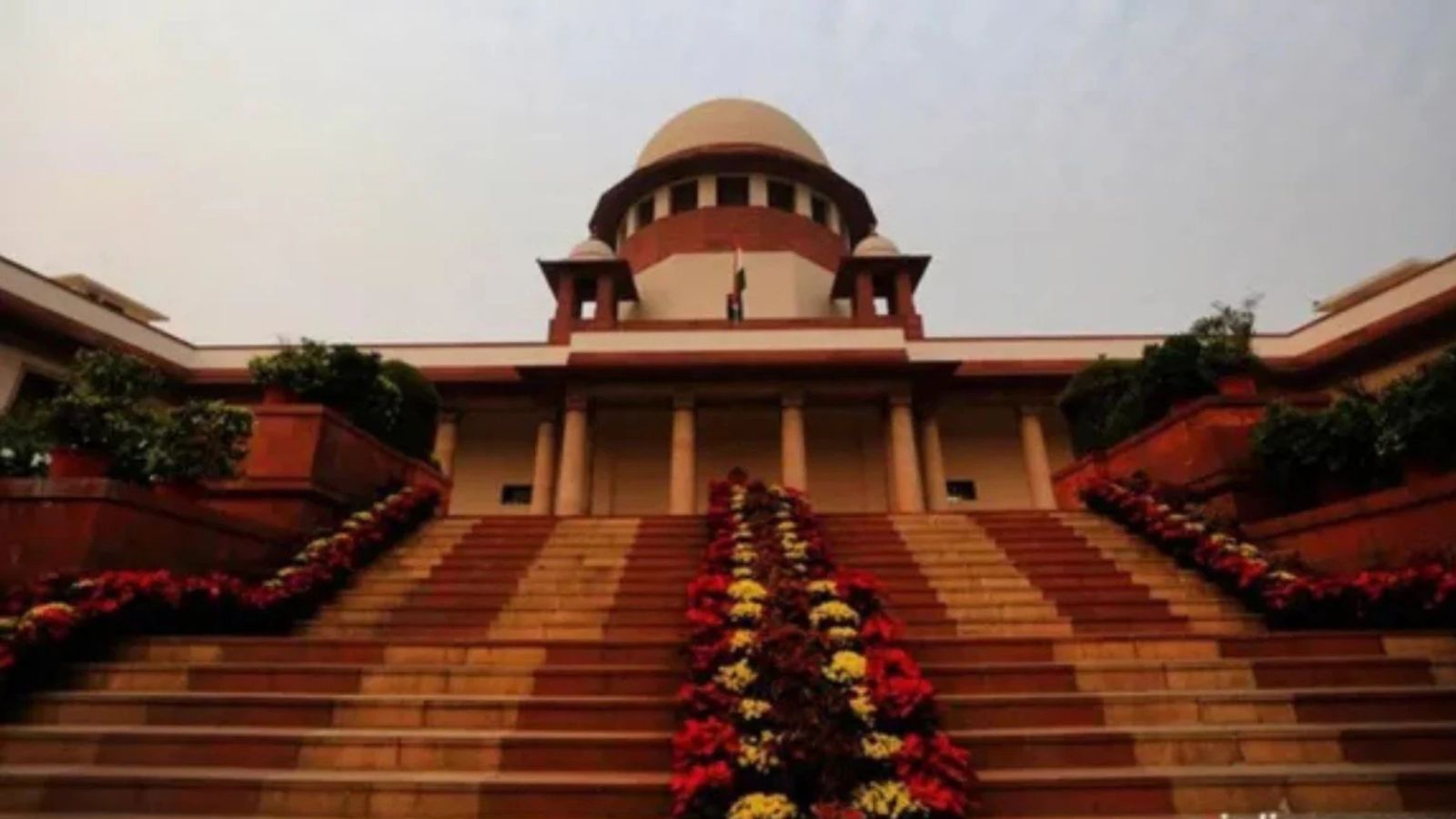
The political backdrop of this release is equally charged. CM Vijay has recently attempted to engage in direct talks with Karnataka regarding the Mekedatu balancing reservoir and water-sharing awards. While the diplomatic efforts have faced hurdles, the state government maintains it will pursue all legal avenues under the Supreme Court's 2018 judgment to secure its rightful share of water.
Frequently Asked Questions
Q1: Why was the opening of the Mettur dam delayed this year?
The delay was caused by a deficit in the southwest monsoon and the impact of El Niño, which resulted in inadequate water storage in the reservoir.
Q2: Which districts will benefit from the release of Cauvery water?
Approximately 16.05 lakh acres across 12 districts, including Tiruchi, Thanjavur, Tiruvarur, and Erode, will receive water for irrigation.