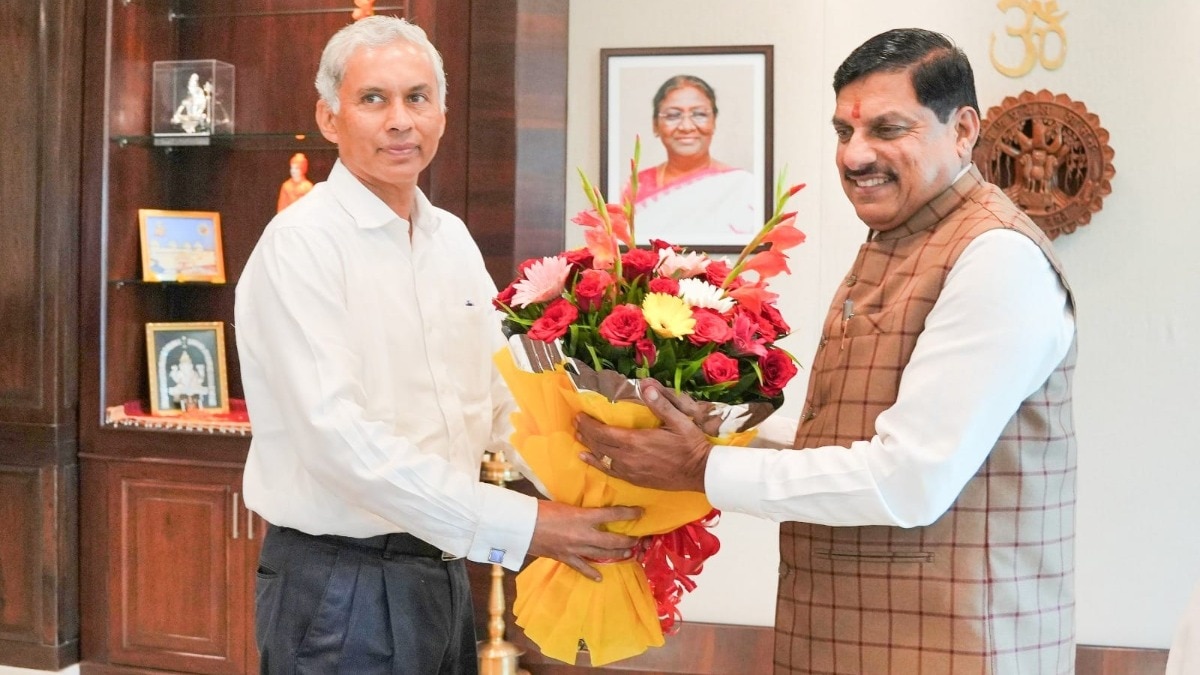
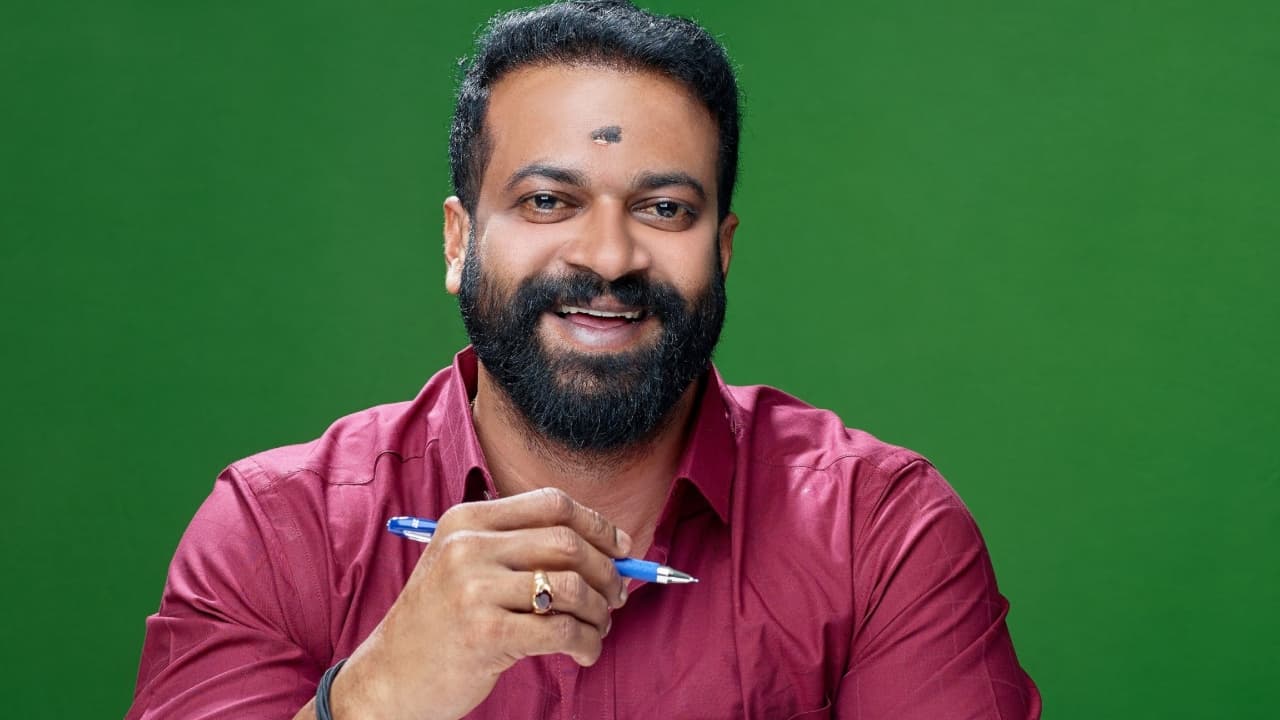
Congress President Mallikarjun Kharge announced a reshuffle, naming Ghulam Ahmed Mir as the AICC in-charge for Tamil Nadu and appointing Prakash Joshi to lead West Bengal. The moves aim to strengthen the party’s state‑level strategy ahead of upcoming elections.
Congress President Mallikarjun Kharge unveiled a fresh organisational reshuffle on Wednesday, July 8, 2026, appointing new All India Congress Committee (AICC) in‑charges for Tamil Nadu and West Bengal. The decision underscores the party’s attempt to rejuvenate its state‑level leadership and sharpen its electoral strategy across two politically pivotal regions.
New Appointments
According to a statement from AICC General Secretary (Organisation) K.C. Venugopal, Ghulam Ahmed Mir will now serve as the AICC General Secretary in‑charge of Tamil Nadu, replacing Girish Chodankar. Mir, who previously oversaw West Bengal, brings a blend of organisational experience and a nuanced understanding of southern politics, qualities the party hopes will revitalize its Tamil Nadu foothold.
Prakash Joshi Takes Over West Bengal
For West Bengal, Prakash Joshi has been named the new AICC in‑charge. Joshi, a seasoned strategist who earlier managed the party’s affairs in Uttar Pradesh, is expected to tackle the formidable challenge posed by the Trinamool Congress and forge deeper grassroots connections in the state.
Context of Recent Re‑shuffles
This latest move follows a series of appointments announced on June 26, when Congress named new in‑charges for Uttar Pradesh, Odisha and Haryana. Rajendra Pal Gautam was named Uttar Pradesh’s in‑charge, Lalji Desai took over Odisha, and Sanjay Dutt replaced B.K. Hariprasad in Haryana, while Hariprasad shifted to become Karnataka’s state chief. The cascade of changes signals a concerted effort to align leadership with regional political dynamics.
Implications and Challenges Ahead
Both Tamil Nadu and West Bengal are electorally critical. In Tamil Nadu, the Congress must navigate a landscape dominated by the DMK and its allies, while in West Bengal it faces a well‑organised Trinamool front. The newly appointed in‑charges will need to bolster coalition talks, rejuvenate the party’s cadre base, and appeal to younger voters disenchanted with traditional politics.
Analysts suggest that Mir’s experience in West Bengal could provide valuable insights into coalition‑building, while Joshi’s track record in Uttar Pradesh may help the party craft a more aggressive outreach strategy in Bengal. Success will hinge on their ability to translate organisational reforms into tangible vote‑share gains in the next state elections.
Overall, the reshuffle reflects Congress’s broader ambition to re‑assert itself as a national alternative, leveraging seasoned leaders to inject fresh vigor into its state‑level operations.