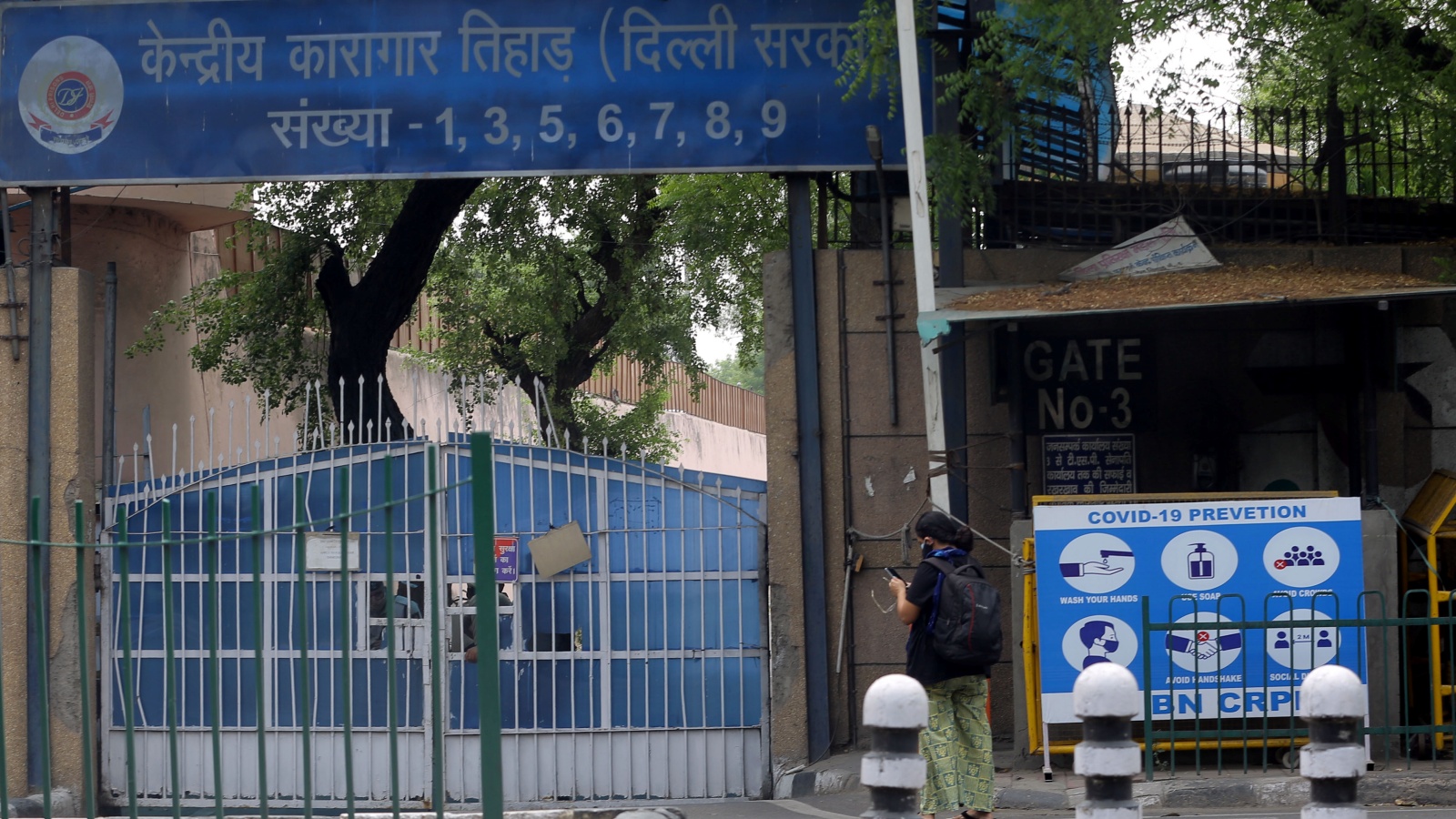
Delhi’s 14 prison complexes house 19,500 inmates, nearly double the sanctioned capacity. To ease the chronic overcrowding, the government has launched a survey of 48 newly‑declared urban villages to identify land for relocation and expansion.
Delhi’s prison system is straining under a massive occupancy rate of 194.6% as per the 2024 NCRB report – 19,500 inmates are confined in facilities designed for just 10,026. The overload taxes water supply, sewage, health services and rehabilitation programmes, prompting an urgent need for new infrastructure.
Why the ‘Urban Village’ Re‑classification Matters
In May 2025, the Standing Committee of the Municipal Corporation of Delhi declared the last 48 villages as ‘urban villages’. This shift removes them from the Delhi Land Reforms Act, 1954, which prohibited non‑agricultural use of land, and places them under the jurisdiction of the Delhi Development Authority (DDA) and the DMC Act. Landowners can now sell or develop their plots for residential, commercial or industrial projects, unlocking a sizeable pool of potential prison sites.
Survey Mechanics and Committee Mandate
The Director General (Prisons) has set up five committees, each comprising four members. Their four‑fold mandate includes: (1) conducting a ground‑level land survey, (2) pinpointing parcels suitable for relocating or expanding existing prisons such as Tihar, Rohini and Mandoli, (3) coordinating with DDA, DMC and other agencies to verify land records, and (4) submitting a comprehensive report with recommendations within the prescribed timeline.
Policy Blueprint Behind the Move
Chief Minister Rekha Gupta’s 2025‑26 budget earmarked the relocation of Tihar Jail to the city’s outskirts. In April 2025, the Delhi Prisons Department formally requested DDA to allocate 400 acres for a new prison complex. The proposed site will not only alleviate overcrowding but also host a training institute and upgraded rehabilitation facilities.
Opportunities, Risks and the Road Ahead
While the urban‑village model offers flexibility, it also raises concerns over land‑price inflation, displacement of local communities and environmental impact. Transparent stakeholder engagement and rigorous environmental clearances will be critical to ensure that the project transforms Delhi’s correctional landscape without spawning new socio‑economic tensions.