The Shiromani Akali Dal announced a mass screening of the newly titled ‘Satluj’, a film chronicling activist Jaswant Singh Khalra’s life during Punjab’s turbulent 1980s‑1990s militancy period. The move follows the film’s removal from the ZEE5 OTT platform and sparks a political clash with the AAP.
The Shiromani Akali Dal (SAD) declared on Wednesday, July 8, that it will screen the film ‘Satluj’ across every village, town and city in Punjab. Originally titled ‘Punjab ’95’, the movie documents the human‑rights abuses of the mid‑1980s to early‑1990s, focusing on activist Jaswant Singh Khalra’s struggle.
Film’s release and controversy
‘Satluj’ premiered uncut on ZEE5 on July 3, only to be pulled from the platform within 48 hours. No official reason was given, prompting media analysts to suspect censorship and political pressure behind the removal.
SAD’s strategic decision
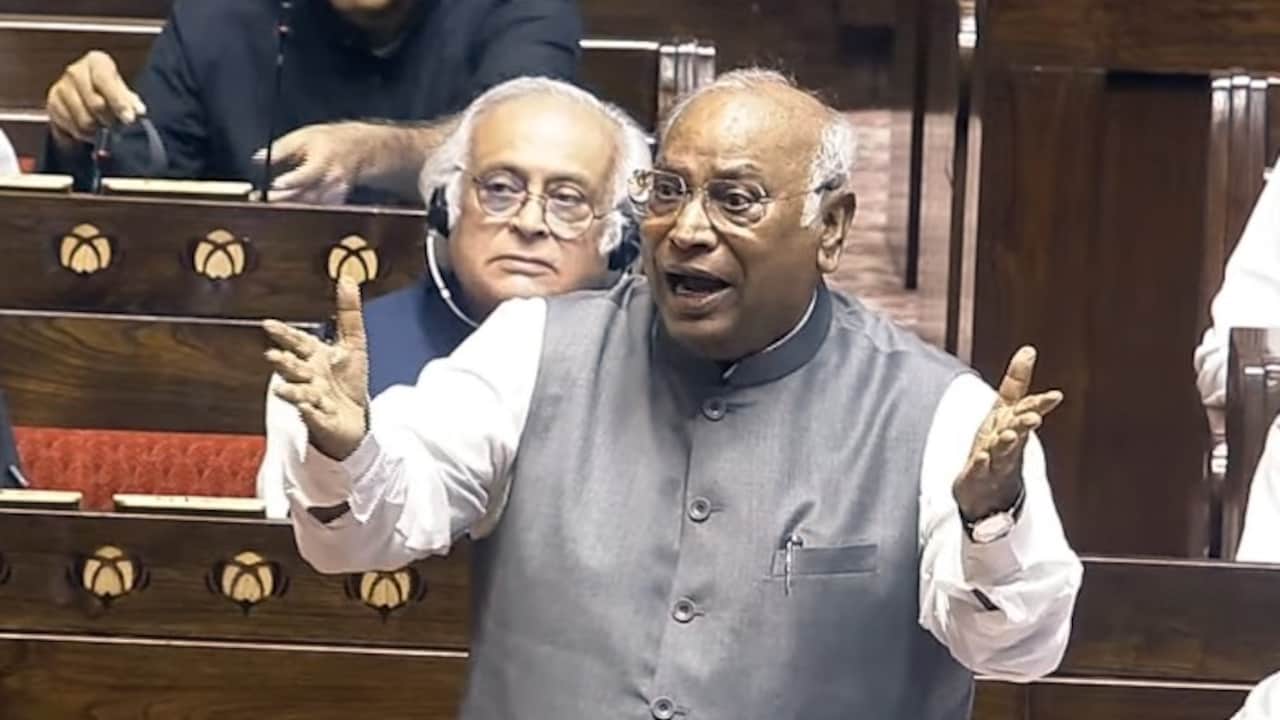
SAD president Sukhbir Singh Badal said he has instructed every party worker, office‑bearer and leader to stream the film in every nook and corner of Punjab. He argued that today’s youth must learn about the unspeakable tragedies of that era and that the party will not remain a mute witness to the injustice.
AAP’s sharp rebuttal
The Aam Aadmi Party (AAP) accused SAD of consistently siding with those responsible for injustices against Punjab and the Sikh community. AAP’s Punjab chief spokesperson Kuldeep Singh Dhaliwal cited statements by Paramjit Kaur Khalra, the late Jaswant Khalra’s wife, alleging that Badal wrote to the central government seeking a ban on the film, a claim that could tarnish the Badal family’s reputation.
Legal and social implications
The removal raised questions about freedom of expression versus public order. Legal experts argue that suppressing painful history does more harm than open discussion, which can foster reconciliation and an informed citizenry.
Looking ahead
If SAD’s statewide screenings succeed, they could set a precedent for bringing contested historical narratives into the public sphere, encouraging dialogue rather than silence. The episode underscores how political motives can shape the way history is remembered and taught.