Chief Minister Arvind Kejriwal is reviving AAP’s national relevance by turning NEET paper‑leak, Ram Mandir donation controversy and E20 petrol into a coordinated political offensive. The article examines how these moves shape the party’s 2027 election strategy.
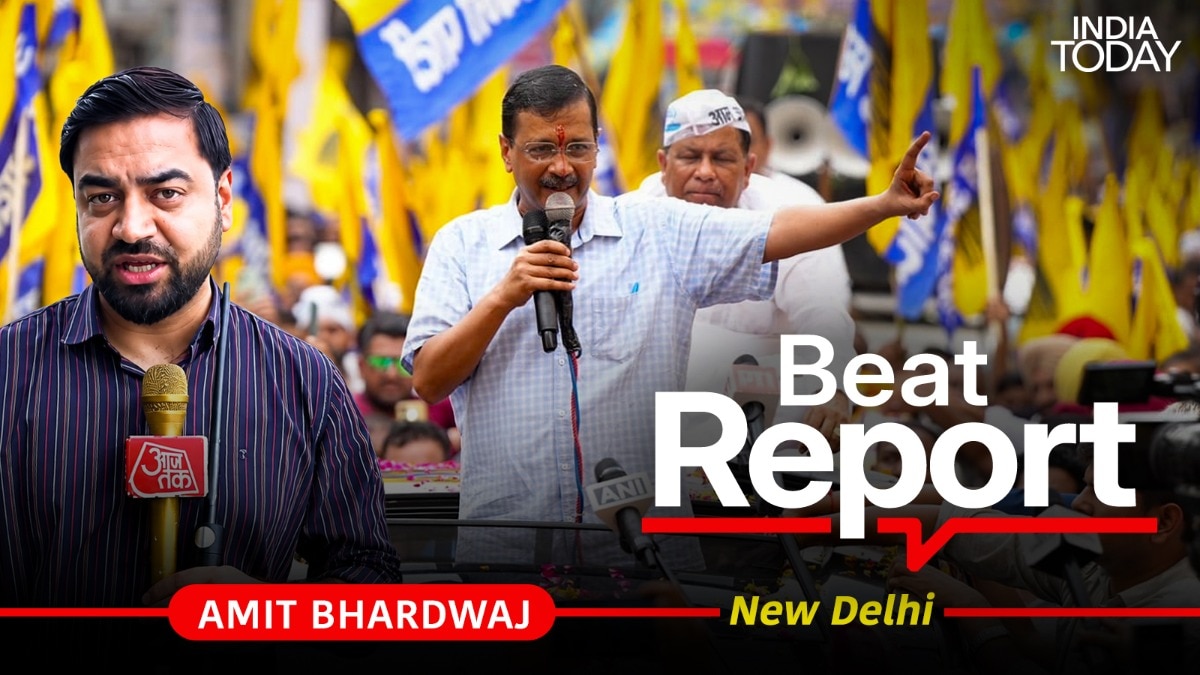
Delhi Chief Minister Arvind Kejriwal has put his party, the Aam Aadmi Party (AAP), back on the national agenda by targeting a series of middle‑class concerns. His messaging, crafted in short Instagram‑style videos, is clearly aimed at Gen Z and younger voters, while echoing the anxieties of the broader middle class.
NEET Paper Leak – A Catalyst for Youth Mobilisation
When the NEET‑UG examination paper was alleged to be leaked in 2024, Kejriwal was among the first opposition leaders to confront the central government. He organised press briefings, released bite‑size social‑media clips, and urged students to protest the breach. Although initially appearing as a one‑off outburst, the episode gave AAP a fresh foothold among students and positioned Kejriwal as a champion of merit‑based transparency.
Turning the Ram Mandir ‘Chanda Chori’ Controversy into a Political Lever
In June, the controversy over alleged misappropriation of donations to the Ram Mandir Trust exploded. Kejriwal seized the moment, travelling to Ayodhya on 26 June, offering prayers, and then demanding the death penalty for those he claimed were shielding the fraud. The sequence – AAP MP Sanjay Singh’s document hand‑over, Kejriwal’s high‑profile visit, and a subsequent FIR – helped the party craft a narrative of anti‑corruption activism, even though Uttar Pradesh remains a weak foothold for AAP.
E20 Petrol – The New Energy Battleground
As misinformation about E20 ethanol‑blended fuel spread across social media, Kejriwal identified another flashpoint. By early July, he announced a campaign against the rollout of E20 petrol, sending letters to 29 vehicle manufacturers—including Toyota Kirloskar, Maruti Suzuki and Hero MotoCorp—seeking clarification on the impact for E10‑compliant cars. A public letter to the Prime Minister is slated for release next week, signalling a calculated attempt to rally public sentiment against the centre’s energy policy.
Strategic Geographic Focus: Delhi, Punjab, Goa
Kejriwal’s itinerary now reads like a political roadmap. In Delhi, he attacks the BJP‑led government on health‑procurement scams and fuel policy. In Punjab, he reinforces the Bhagwant Mann administration’s achievements to retain core AAP voters. In Goa, he concentrates on organisational expansion, while monitoring developments in Gujarat. These states are pivotal for the 2027 assembly contests, and Kejriwal appears intent on exploiting perceived fault lines between Delhi and Lucknow to weaken BJP dominance.
Implications for 2027
If the issue‑based approach resonates, AAP could transform its 2025 electoral setback into a comeback narrative, positioning itself as the party that consistently highlights middle‑class grievances. However, the success of this strategy hinges on Kejriwal’s ability to sustain momentum, convert social‑media buzz into tangible votes, and outmaneuver the BJP’s entrenched machinery.